The Speak Now Era

2010 – 2012

Taylor made history in early 2010 as the youngest-ever winner of the Grammy Award for “Album of the Year” for Fearless (2008). The album marked the breakthrough she had always dreamed of, catapulting her career to new heights—but it also brought a tidal wave of pressure, pitfalls, and growing pains. After all, the story of teen stars rising fast only to fade just as quickly is a tale as old as time. In a cruel twist, criticism intensified after Taylor’s Grammy win, particularly over her shaky vocal performance that night. Behind the scenes, instead of celebrating her triumphs, she wrestled with doubt, both her own and that of critics. As she prepared to follow up the most awarded country album in history, scrutiny extended beyond her singing: questions began to emerge about whether she was truly the author of her own lyrics. At just 20, Taylor felt the weight of proving not only to herself, but to everyone else, that her success was earned through talent and hard work.
Beginning of Era
On July 20, 2010, Taylor shared the news of her third album, Speak Now, with fans on Ustream—back when livestreams were still a fairly unpolished format. Broadcasting from the living room of her first apartment, which she had moved into only weeks earlier, Taylor kept the setting casual. Wearing a turquoise sundress and a yellow headband with a glittery bow, she spoke directly to fans about the making of the album and answered questions from the live chat.
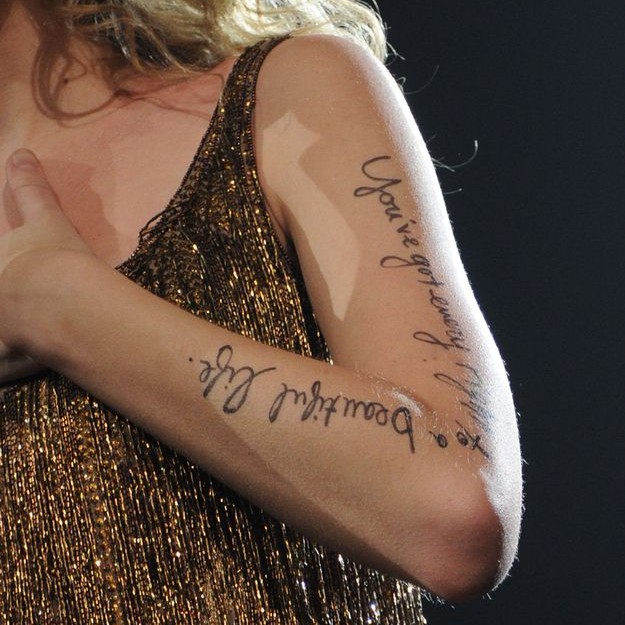
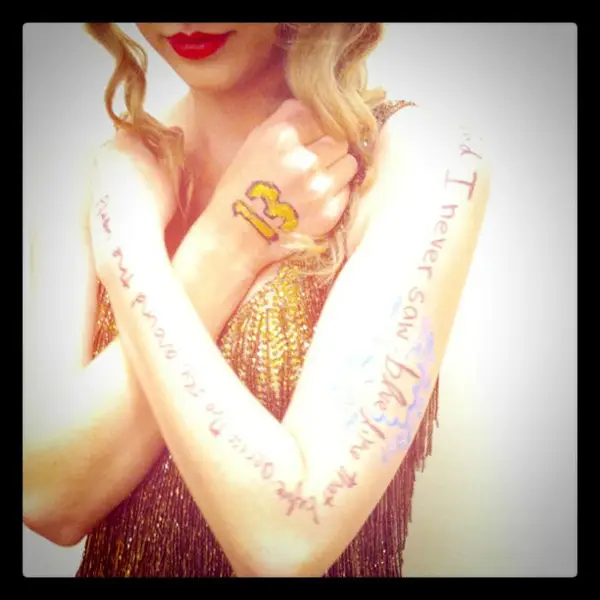
The Speak Now era concluded in Auckland on March 18, 2012, when Taylor wrapped up the final show of the album’s accompanying tour. Reminiscing on a wonderful journey around the world, the night’s arm lyrics were: “You know wherever I am, I’ll come running to see you again,” from “You’ve Got a Friend” by James Taylor.
Speak Now (2010)
The “Speak Now World Tour” began in 2011 with shows across Asia and Europe. The North American leg featured a far more elaborate production and numerous stadium performances. In 2012, Taylor concluded the tour with dates in Australia and New Zealand.
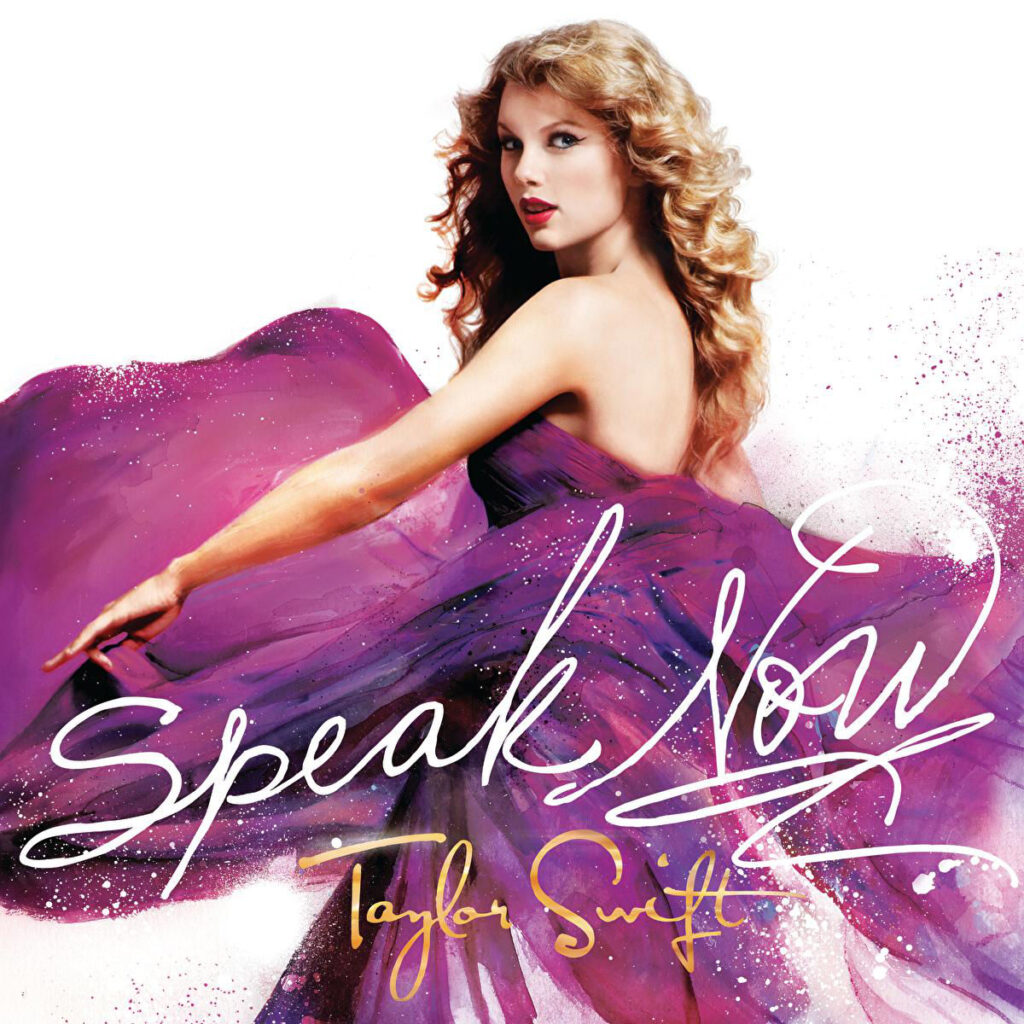
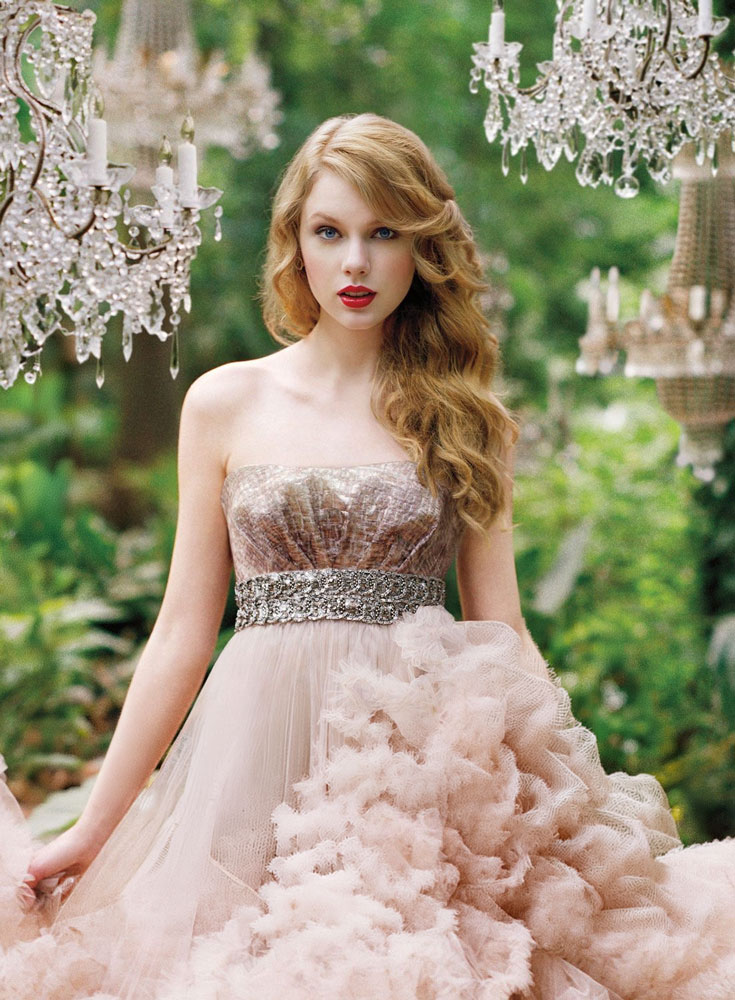
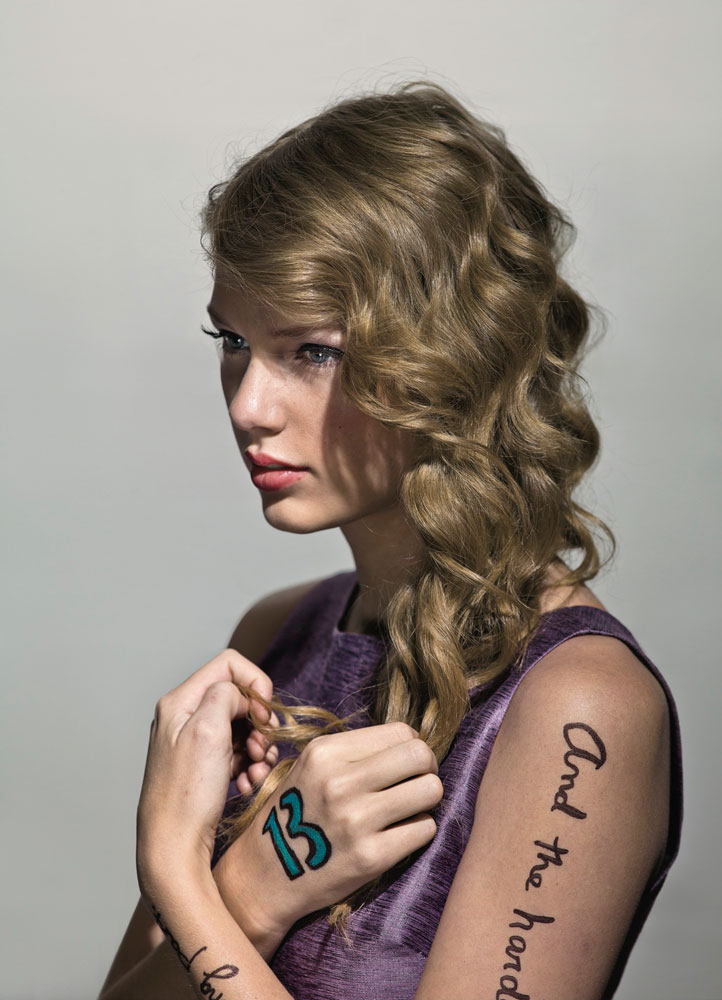
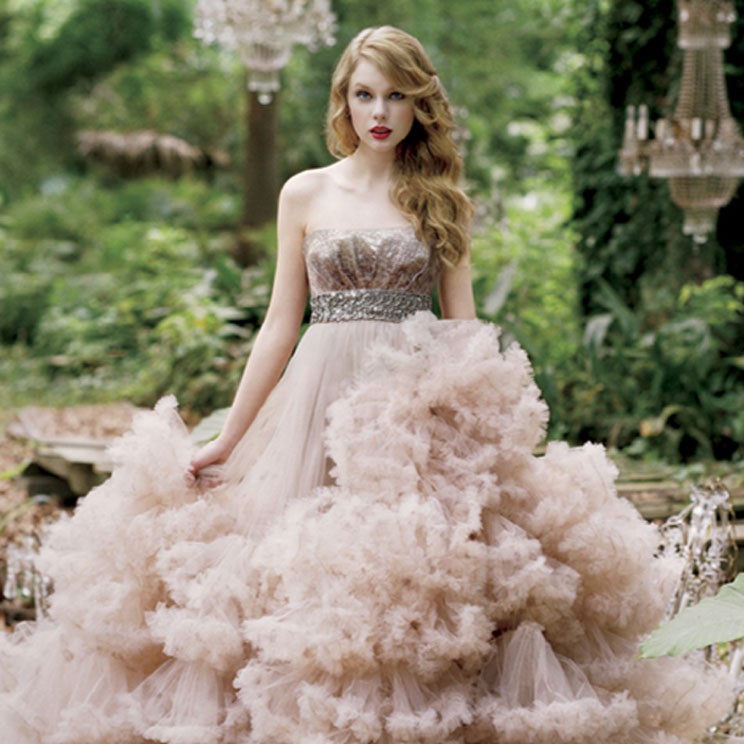
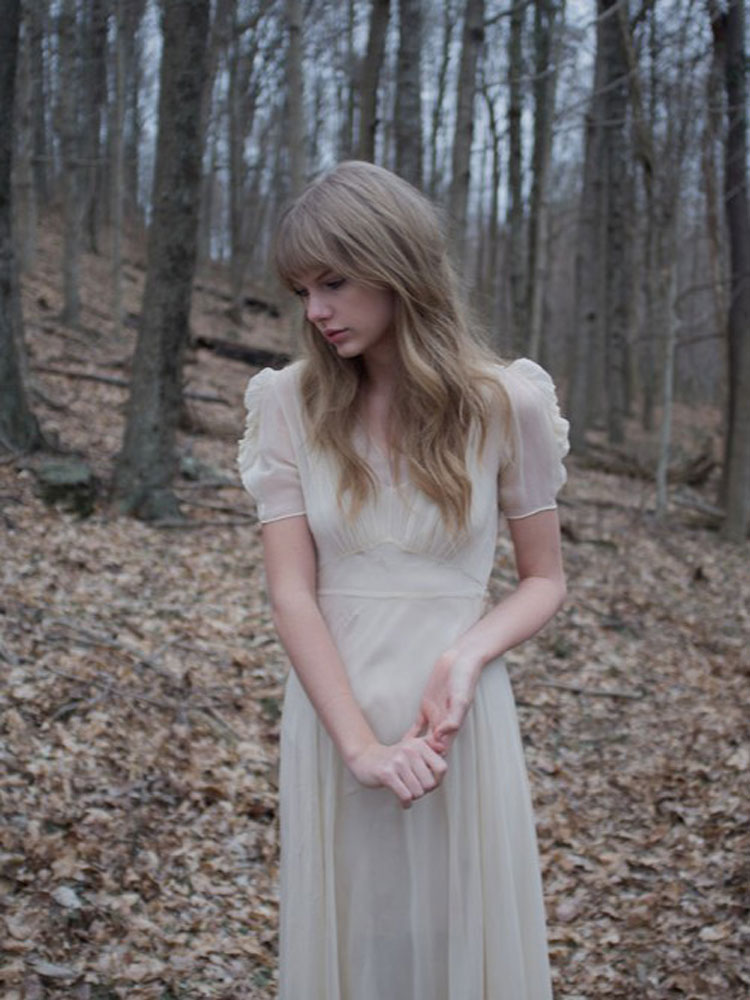
The Speak Now era embraced a fairytale-like aesthetic, mixing storybook romance with Broadway grandeur. Sparkles, watercolors, and the color purple appeared throughout the visuals, while Taylor’s lucky number 13 made countless appearances. Intimate “arm lyrics” added a personal touch to each show, turning them into a theatrical, but personal experience.
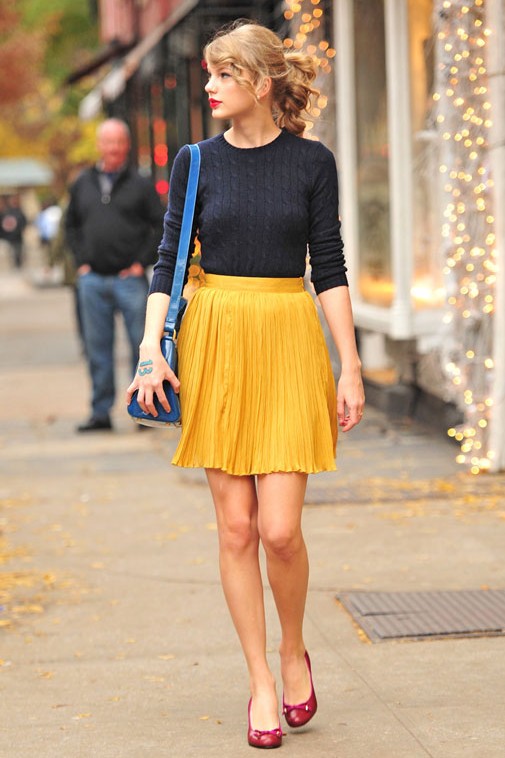
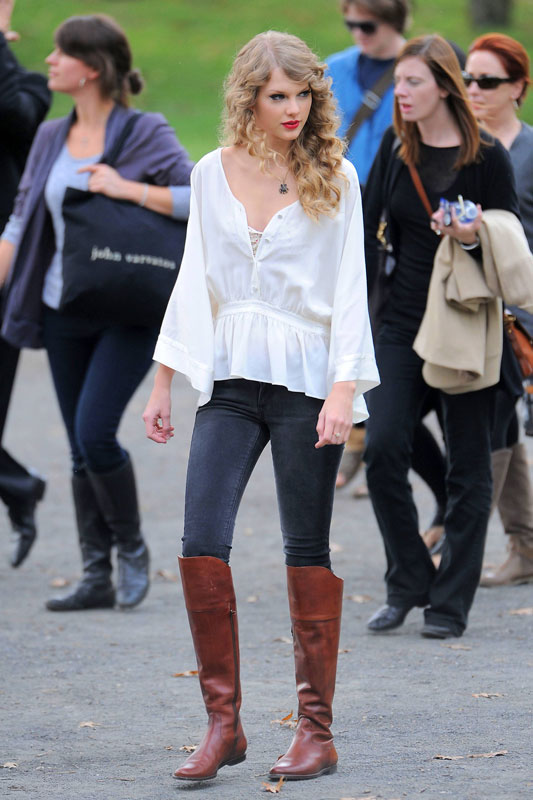
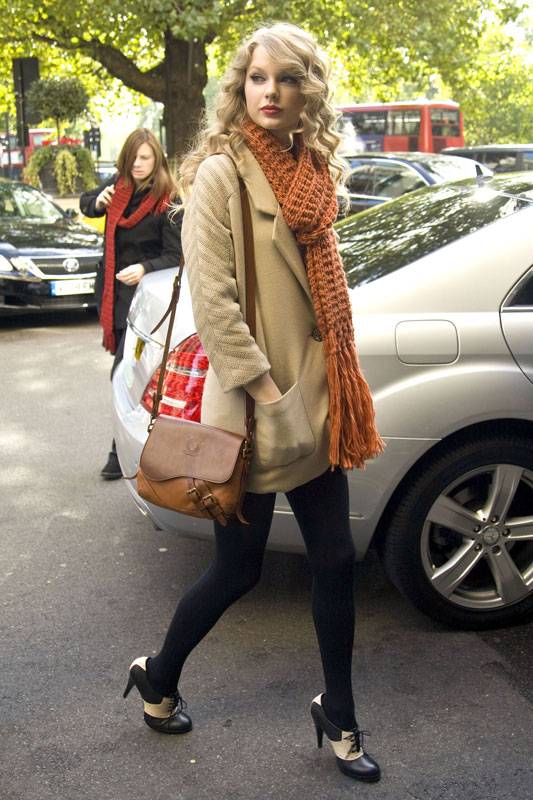
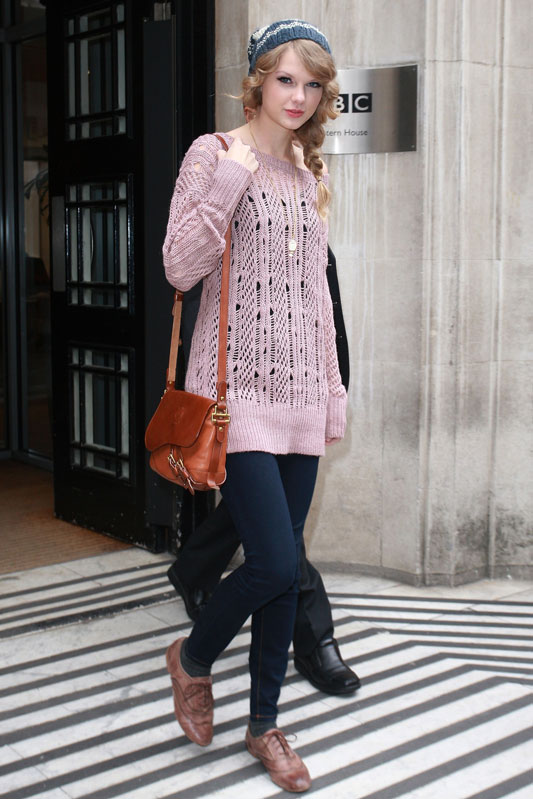
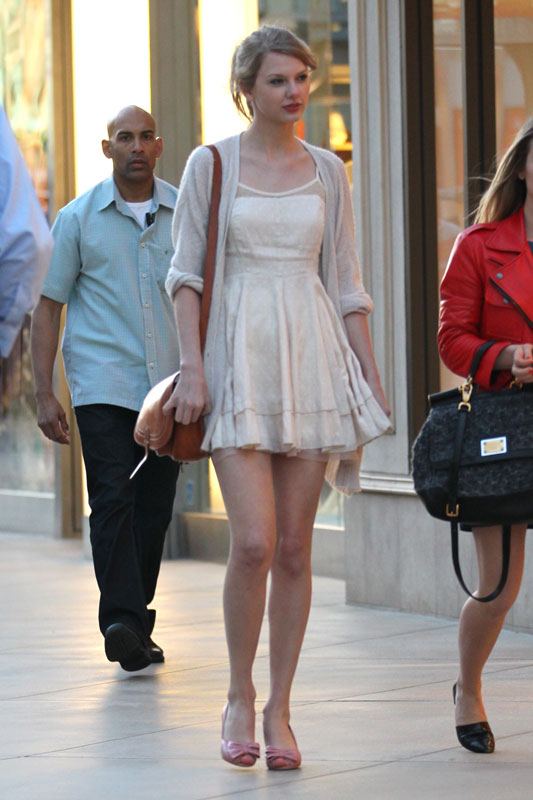
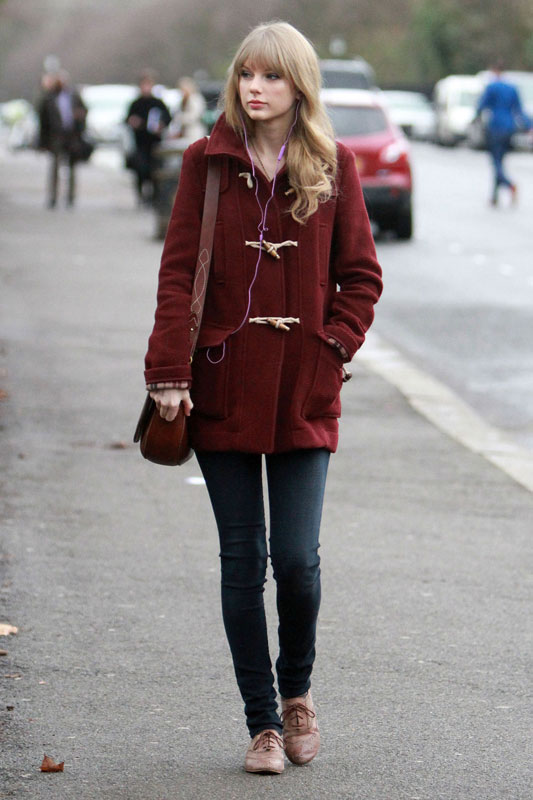
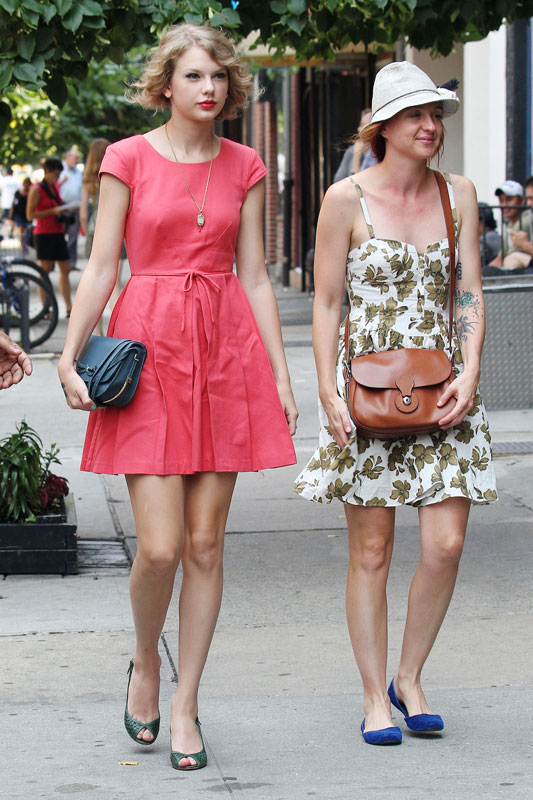
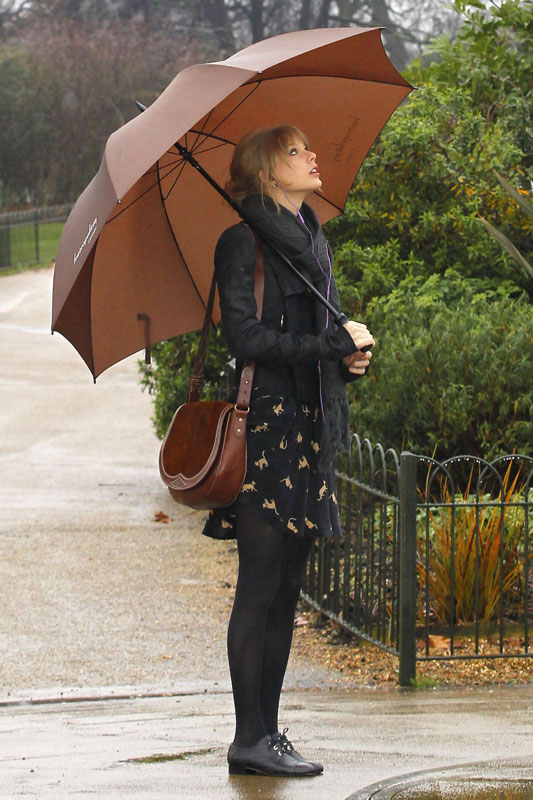
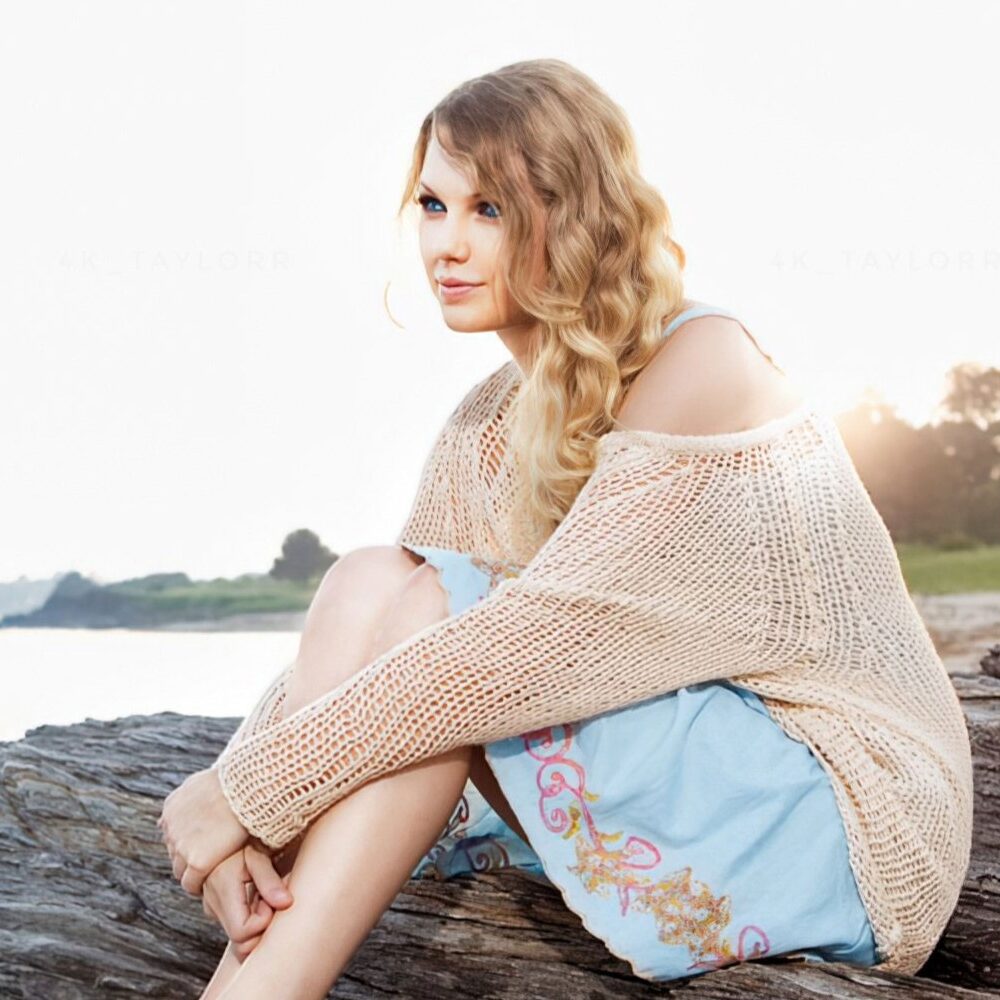
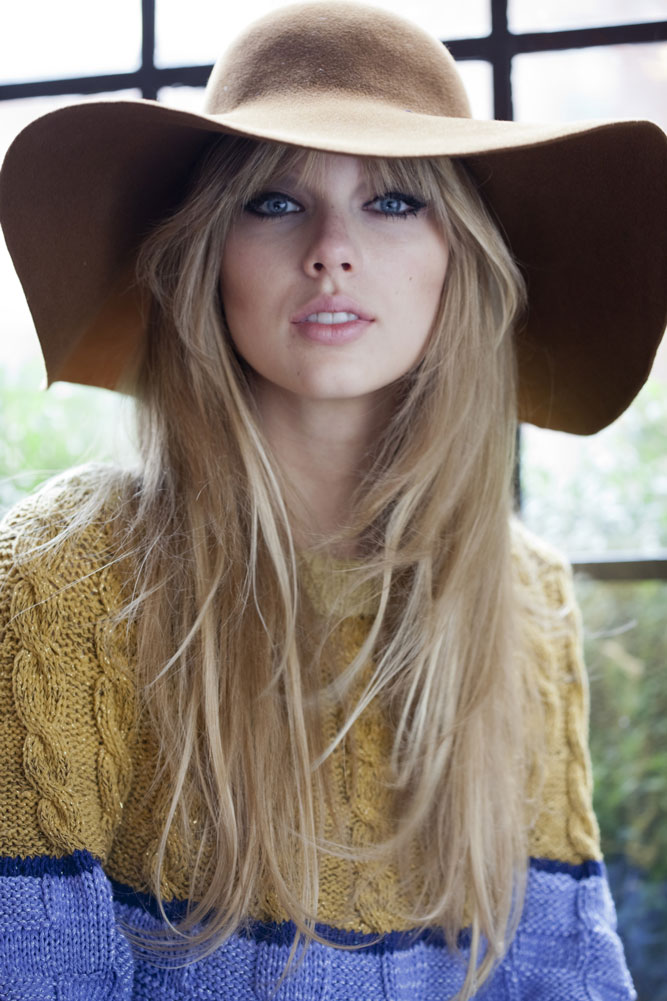
During the Speak Now era, Taylor’s style leaned vintage and feminine, combining delicate, timeless pieces with personal touches. She often wore cable-knit sweaters paired with skirts and saddle bags, while beanies and key necklaces added charming details. Loose curls and red lips were her signature beauty look, and her Wonderstruck perfume became a staple of the era’s dreamy aesthetic.
In the Speak Now (Taylor’s Version) prologue in 2023, Taylor would later reflect on that moment: “I had these voices in my head telling me that I had the perfect chance and I blew it. I hadn’t been good enough, I had given it all and been found wanting.” But instead of hiding, she chose to confront the challenge head-on. She pushed herself to grow as a writer, an artist, and a performer, determined to earn genuine respect and recognition in her field. She underwent extensive vocal training and made a defining decision for her next album: she would write it entirely on her own. Without co-writers, there was no one else to share the credit. But the stakes were high. In her line of thought, if the album wasn’t exceptional, it would prove her critics right. She told 60 Minutes in 2011:

«I don't know if any of this would have happened if I ever felt completely settled and satisfied. You can let the success cripple you, and you can let the fear just overtake you, or you can let it fuel you and realize that, yes, you have to rise to the occasion and, yes, you have to beat what you did last time.»

All the while, Taylor was encountering the milestones and checkpoints of normal teenage growth. She had cataclysmic crushes and brushes with heartache, moved out of her parents’ house, and settled into a new apartment. She hung photos on the walls of the space where she would laugh, cry, dream, and write: “Sometimes I felt like a grown up, but a lot of the time I just wanted to time travel back to my childhood bed, where my mom would read stories to me until I fell asleep.”

Speak Now

Taylor wrote Speak Now entirely by herself when she was 20 years old. It is the best-selling solo-written album in history.

Songs on Speak Now

Read Taylor’s prologue for Speak Now and its re-recording, then dive into the detailed stories behind its songs.

Speak Now (Taylor's Version)

Speak Now (Taylor’s Version) tells a tale of growing up, flailing, flying and crashing…and living to speak about it.

Moving to Downtown Nashville

Taylor moved into said apartment in July 2010, shortly after wrapping up the “Fearless Tour.” The brief pause over the summer gave her time to pack up her life in the affluent Nashville suburb of Hendersonville and move into a penthouse condo downtown, less than a mile from Music Row. Despite her growing crossover success, she chose to remain in Tennessee—close to her family, her record label, and the heart of country music. When asked by Access Hollywood how she liked living on her own a couple of months later, Taylor said:

«It's wonderful! But I definitely waited til it was the right time in my life. For me, the right age was 20. And for all my friends it was 18 'cause they went off to college. But I'm glad that it happened at the right time for me. I'd put it off because I literally did not have time to move out, I was touring. But it's amazing, having my own place that just feels like home.»

She also invested significantly in transforming the space into something entirely her own. While the condo sat atop a modern building, its interior felt like something out of Alice in Wonderland. Redesigned to Taylor’s specifications, it featured whimsical, almost surreal elements—a spiral staircase leading up to a giant birdcage-like treehouse, and even a pond with lily pads in the middle of the living room. Everything was deliberately mismatched, from the pillows and fabrics to the paintings and dishes. A balcony overlooked the living room from her bedroom, adding to the theatrical, storybook atmosphere. Taylor herself described her aesthetic as something out of a fairytale imagined by Shakespeare and Hans Christian Andersen. A fitting creative sanctuary for a hopeless romantic.
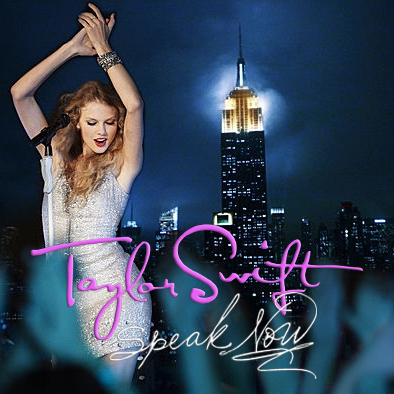
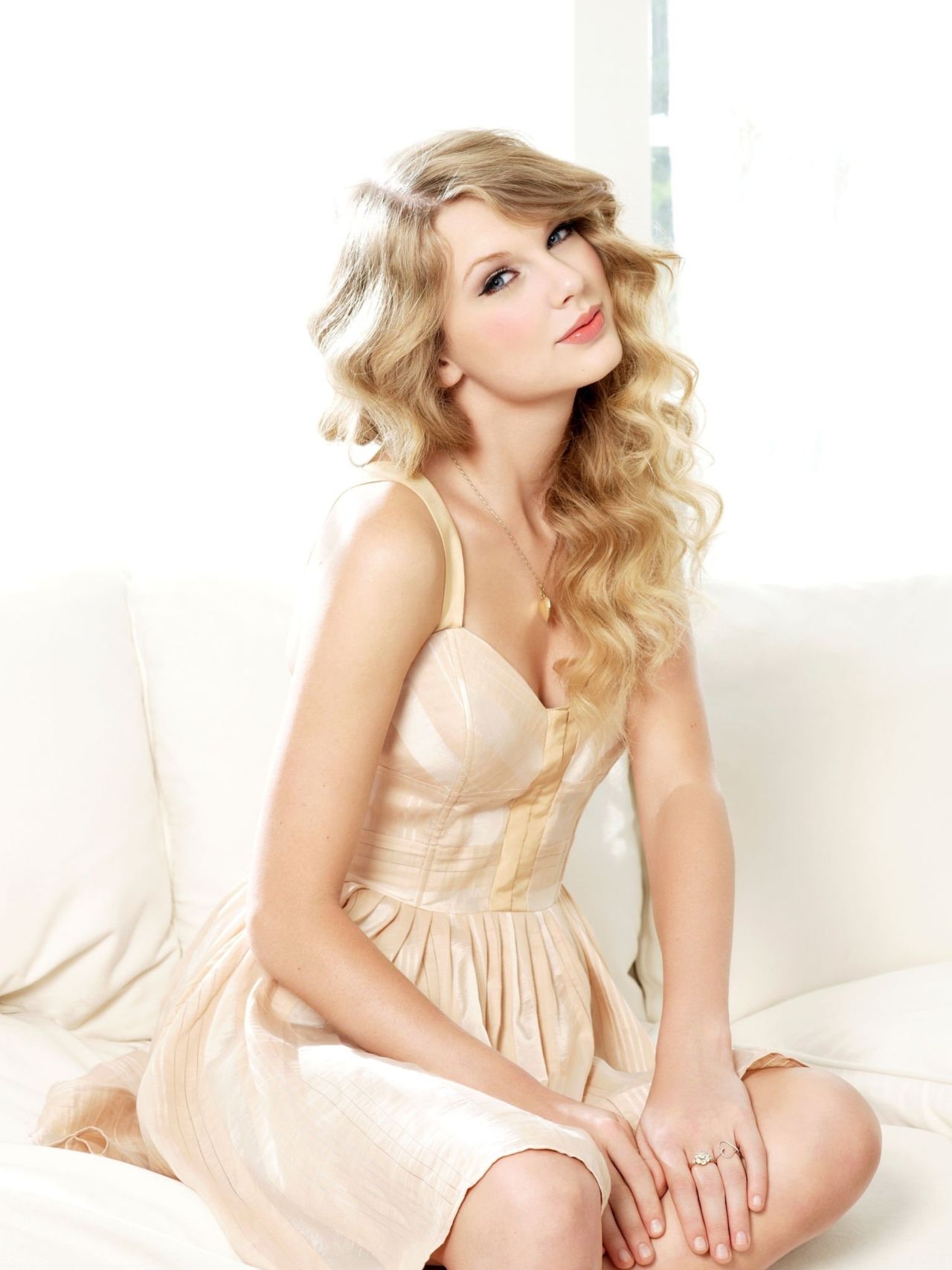
Taylor Swift photographed for her third studio album, "Speak Now" (2010).
Taylor Swift for Speak Now (Joseph Anthony Baker, 2010)

Timeline of the Speak Now Era

Explore some of the defining moments of the Speak Now era and dive into the stories behind them in more detail below.
July 20, 2010Beginning of Era
October 25, 2010Album
February 9, 2011Start of Tour
May 20, 2012End of Era
Taylor Swift for Us Weekly (Naomi Kaltman, 2011)

Songs From the Heart

The era officially launched in late July, when Taylor hosted a livestream from her new home, offering fans a glimpse into her apartment. It felt intimate and personal—more like a conversation with a friend than a traditional album rollout. From the very beginning, she made her mission statement clear: she had written every song on Speak Now herself.

It marked the start of a subtle but important image shift. Rather than being seen as a “simple” teen celebrity—often grouped with Disney peers like Miley Cyrus, Selena Gomez, or Demi Lovato—Taylor was now positioning herself as a songwriter first. Her life stories, told through song, became the main event. At this stage in her career, she released albums every two years, deliberately giving herself time in between to live, experience, and reflect, so she would have something real to write about. And between the ages of eighteen and twenty, she had lived a lot. She endured her first global scandal (the mic-grab seen around the world). She navigated the surreal experience of getting to know a boy while paparazzi crowded the car, and saw her breakups turned into public narratives, with media outlets requesting official statements. These were strange, often overwhelming experiences at any age, let alone at 19. It was around that time, Taylor told Time in 2023, that she began trying to shape-shift:

«I realized every record label was actively working to try to replace me. I thought instead, I’d replace myself first with a new me. It’s harder to hit a moving target.»

Apart from writing the album solo, she incorporated diverse sonic influences, and placed more clues about personal relationships in her lyrics and album materials for fans to decode. From an author perspective, processing these intense, very public moments made Speak Now arguably the defining album of her early country career. While her music had always drawn from personal experience, her lyrics now took on a new dimension: fans and media alike began dissecting them for clues. What began as a lighthearted guessing game contributed to Taylor’s growing reputation as the quintessential “breakup song” artist, but it also sparked a deeper fascination with the private life behind the songs. For better—and, in time, also for worse.

Taylor’s Street Style

During the Speak Now era, Taylor’s street style embraced a vintage, feminine aesthetic that mirrored the album’s romantic, storybook tone. She often wore cable-knit sweaters, flowy dresses, and belts, accessorized with headbands, key necklaces, and saddle bags, while her loose curls completed the soft, polished look. Even her Wonderstruck perfume fit seamlessly into this identity, reinforcing the enchanted, fairytale-like world she was creating.
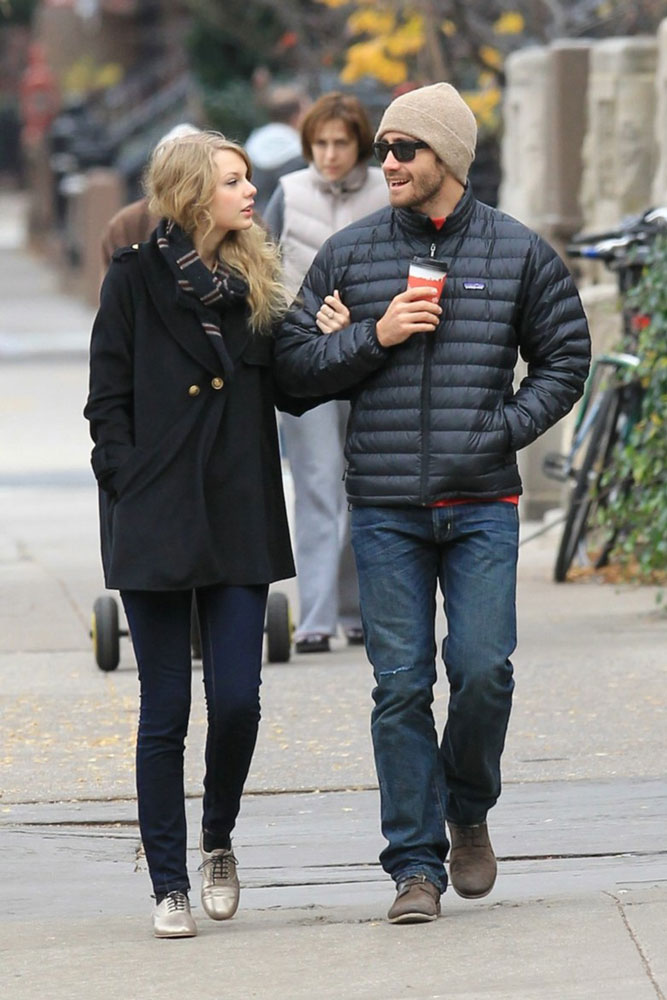
Taylor Swift and Jake Gyllenhaal on Thanksgiving in Brooklyn (INFdaily, 2010)

Taylor's First Real Heartbreak: Jake Gyllenhaal

In the fall of 2010, as Speak Now approached its release, actress Gwyneth Paltrow introduced Taylor, then 20, to actor Jake Gyllenhaal, who was 29 at the time. The two were first seen together on October 23, apple picking at Fishkill Farms in upstate New York. This was Taylor’s second notable age-gap relationship following her brief connection with John Mayer.

Just two days later, Speak Now was released, and Taylor’s life became a whirlwind of radio interviews, television appearances, and intimate fan performances—from a rooftop in New York City to Central Park, and days later along Hollywood Boulevard in Los Angeles. Amid the chaos of release week, rumors of her relationship with Jake began to circulate, before the two briefly escaped the spotlight for a weekend getaway to Big Sur. November, typically dominated by CMA Awards campaigning, saw Taylor at the peak of her country career. Fresh off a record-breaking million-opening sales week in the US, she remained the undisputed Princess of Nashville while preparing for the upcoming “Speak Now World Tour.” Jake, meanwhile, visited her in Tennessee following the premiere of his new film Love & Other Drugs, with the couple spotted together at Fido and other Nashville coffee shops. When asked about Taylor during his press tour, Jake said:

«One of the greatest parts about being in a relationship is the intimacy you share, but it can be difficult if you’re being watched the whole time.»

As the holiday season approached, Taylor met Jake’s parents and spent time with his sister and her daughter over Thanksgiving, signaling that the relationship was moving toward deeper commitment. But the year would end in heartbreak. Her milestone 21st birthday on December 13 was planned as a celebration at her condo, complete with friends, family, and an epic karaoke session. However, despite his promises, Jake did not attend the party, leaving Taylor devastated. The following day, she was photographed in Nashville, visibly upset and arguing on the phone. Their breakup was confirmed in January 2011.

In the months that followed, the end of the relationship weighed heavily on Taylor’s creative process. After a period of writer’s block, she eventually channeled her heartbreak into her music, processing the betrayal she had experienced—learning that Jake had cheated on her. By February, during tour rehearsals in Singapore, she began composing “All Too Well,” transforming her pain into one of her most iconic and emotionally raw songs.

Speak Now World Tour

Taylor had mapped out many of the production elements for the “Speak Now World Tour” nearly nine months before its first show on February 9 in Singapore. It was her first truly global tour, spanning Asia, Europe, Oceania and North America. She emerged as a touring powerhouse, performing in sold-out stadiums and outshining both her teenage peers and country music legends with her international appeal. The show itself was highly theatrical, featuring multiple vignettes across a series of elaborate sets that brought each song’s story to life.
The overall impression of Taylor on the Speak Now World Tour was that of a dreamy, old-fashioned young woman given the chance to bring her pre-adolescent fantasies to life. Each song unfolded like its own self-contained story of love, betrayal, fear, or strength. The production itself was a romantic spectacle—featuring a two-story stage, pyrotechnics, dancers, aerialists, and nine costume changes. The shows often felt bigger than music alone, so intricately were the theatrical and balletic elements woven into the performance. When asked by Vogue in 2012 about the scale of her production, she responded:

«There aren’t many stadium shows anymore. It’s no small feat, and I know that. When you walk out onstage in front of 65,000 people, it can bring you to tears. If you really take it in at the end of a song and you hear that many people screaming, it will make you cry.»

As a thank you to her fans, Taylor aimed to make each show as memorable as possible. She performed an acoustic surprise song at every concert, covering city-local artists from James Taylor to Gwen Stefani to Eminem, and each night wrote a different lyric from a song she was listening to on her arm as a “mood ring” for the show. Special guests were unpredictable and diverse—duets with Jason Mraz, Tim McGraw, Selena Gomez, Usher, Hayley Williams, and many others delighted audiences. She also hosted her famous T-Party, a free meet-and-greet for a few lucky fans selected during the show, spending hours chatting and taking photos. The connection between Taylor and the Swifties was deeply personal at this point in time. By its final bow in New Zealand on March 18, 2012, the tour had grossed $123.7 million from 110 shows, with more than 1.6 million fans attending worldwide. The live album Speak Now: World Tour Live was released in November 2011, immortalizing the show.

Speak Now World Tour

The general feel of the “Speak Now World Tour,” was that of a dreamy, old-fashioned Broadway show.

Taylor Swift: Speak Now

Taylor Swift: Speak Now aired as a Thanksgiving special on NBC in 2010. It captures the album’s release week.

Arm Lyrics

On the “Speak Now World Tour,” Taylor would write a song lyric on her left arm every night. Discover them all here!
Taylor Swift for Wonderstruck (Elizabeth Arden, 2011)

Brand Expansion and Wonderstruck

When the “Speak Now World Tour” arrived in North America in spring 2011, it signaled a turning point in Taylor’s evolution from a successful recording artist into a multi-dimensional brand. A key component of this expansion was her partnership with CoverGirl. Having been announced as a spokesperson in 2010, she fronted campaigns for the brand’s NatureLuxe line, positioning her within a more mature, polished beauty space while maintaining her approachable image. In parallel, CoverGirl served as the official sponsor of the North American leg of the tour. The collaboration was emblematic of an early model of tour sponsorship in Taylors’ career: regionally focused, image-driven, and closely aligned with her public persona at the time.

Simultaneously, Taylor entered a second, more expansive partnership within the beauty industry through Elizabeth Arden. In 2011, the company released Wonderstruck, Taylor’s debut fragrance, developed and marketed as an extension of the romantic, fairytale aesthetic that defined the Speak Now era. In a press release, she wrote why she was excited about this collaboration:

«I think that fragrance has a lot to do with shaping people’s memories in the way that music does. If you hear a song for the first time when you are in love with someone and then you break up and you hear the song again a couple years later, it’s gonna make you think right back to that moment when you first heard the song.»

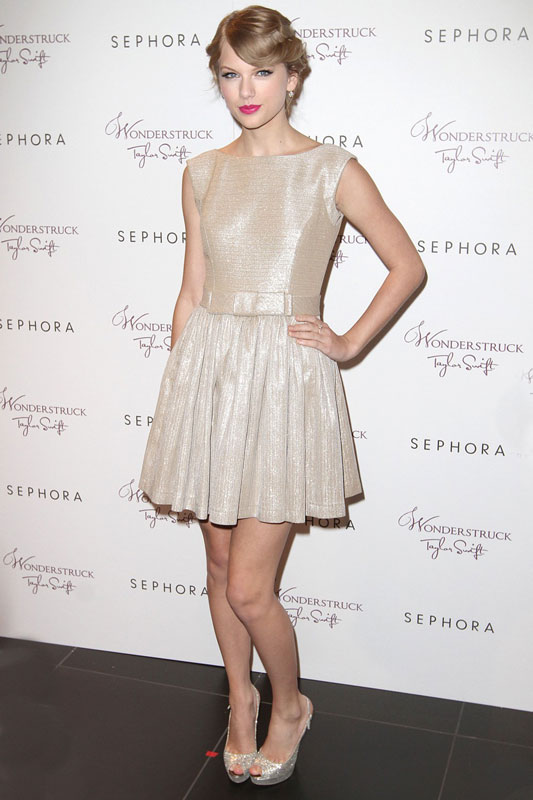
The launch of Wonderstruck was supported by an extensive retail rollout. High-profile appearances and promotional events at major outlets such as Macy’s and Sephora drew significant crowds, with Taylor personally present at select signings and launch activations. Commercially, Wonderstruck proved to be a significant success, quickly becoming one of the top-selling celebrity fragrances of the year and establishing a long-running partnership between Taylor and Elizabeth Arden. More broadly, the fragrance played a defining role in translating the Speak Now era’s visual and emotional identity into a tangible product. In doing so, it demonstrated the growing viability of Taylor’s brand beyond music—an early indication of the fully integrated commercial ecosystems that would come to define her career in later years.

Speak Now Photoshoot

As with Fearless, the Speak Now photoshoot was captured by Joseph Anthony Baker in and around Nashville. The images combined carefully staged studio shots with on-location visuals and were refined by Filtre Studio into cinematic portraits. Almost every song received a setting reflecting its story, capturing the whimsical nature of Speak Now, with painterly effects and gold frames enhancing its storybook quality.
Taylor Swift for The New Yorker (Katy Grannan, 2011)

America's Sweetheart and the Pressures of Perfection

By the time the Speak Now era reached its peak, Taylor’s carefully cultivated image as “America’s Sweetheart” had successfully become her public identity. Television hosts like Ellen DeGeneres, who frequently welcomed Taylor on her show, would call her by her nickname at least three times every appearance. But while being known as the national “Sweetheart” came with its perks, it also had significant downsides.

For Taylor, the label was flattering in theory, but in practice it could feel confining, even restrictive. At times, being held up as the perfect role model for millions of teenagers in America was simply overwhelming. After all, she was just a young woman figuring out who she wanted to be, navigating a media landscape that left almost no room for mistakes. The biggest danger, though, wasn’t the media—it was adulthood itself. Taylor had entered her twenties without falling into the typical pitfalls of young Hollywood. Unlike many starlets and pop stars, she had maintained a spotless public record while still commanding a massive platform. Even as a legal adult at 21, she seemed committed to serving as a role model for her fans, aware of how much her image meant to the people who looked up to her. In a December 2011 interview with Billboard, she reflected on this balance:

«As you enter down a career path it becomes very clear what that career path is going to ask of you. One of the things that is a huge part of making music and putting it out into the world is understanding that you now have a role in shaping the lives of the next generation. And you can either accept that role or you can deny it and ignore it and say it’s a parent’s job to raise their kids. But the reality is what you wear matters. If you’re a singer and on TV and in the living room of some 12-year-old girl, she’s watching what you’re wearing and saying and doing.»

Looking back, however, Taylor has admitted that the pressure was far heavier than she realized at the time. In 2023, she told Time that while she had believed she had her life under control and could handle growing up gracefully in the spotlight, the public’s expectations were actually impossible to meet: “By the time an artist is mature enough to psychologically deal with the job, they throw you out at 29, typically. In the ’90s and ’00s, it seems like the music industry just said: ‘OK, let’s take a bunch of teenagers, throw them into a fire, and watch what happens. By the time they’ve accumulated enough wisdom to do their job effectively, we’ll find new teenagers.'” The reflection highlights just how intense this time really was for her.

Red Carpet Fashion

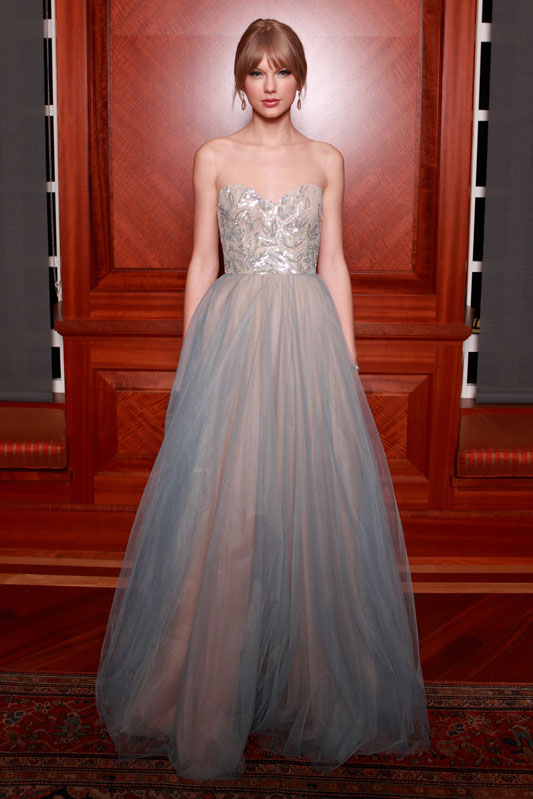
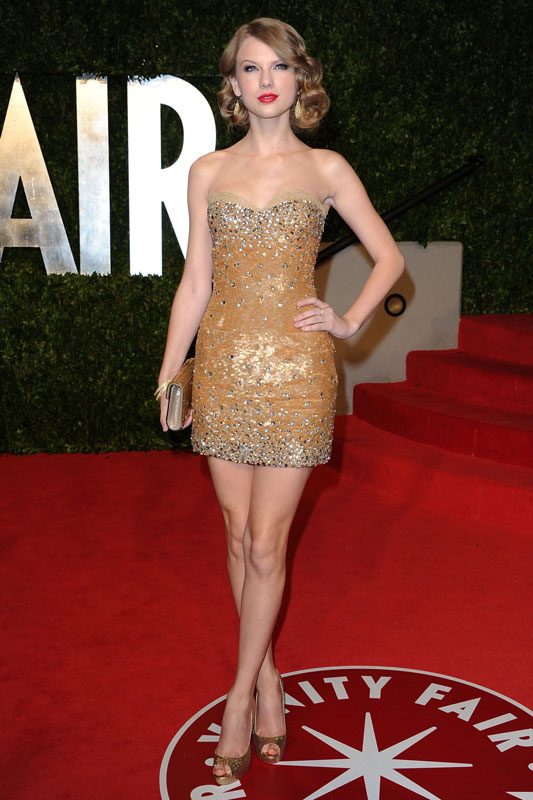
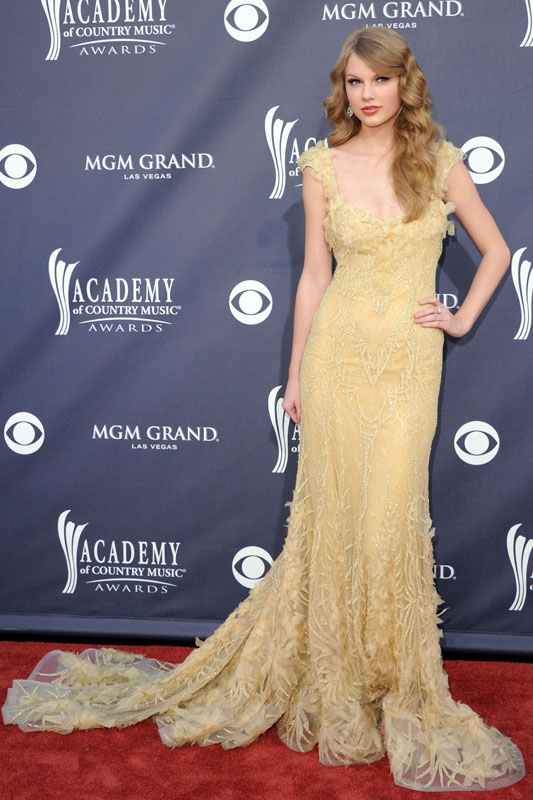
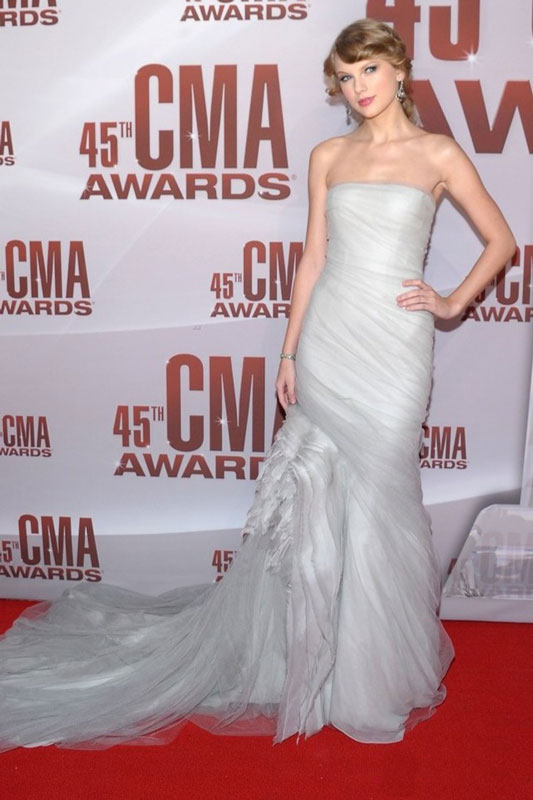
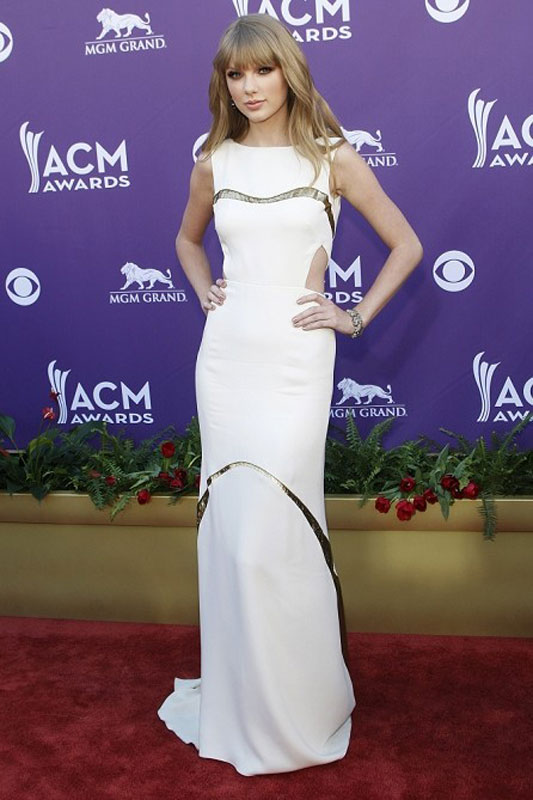
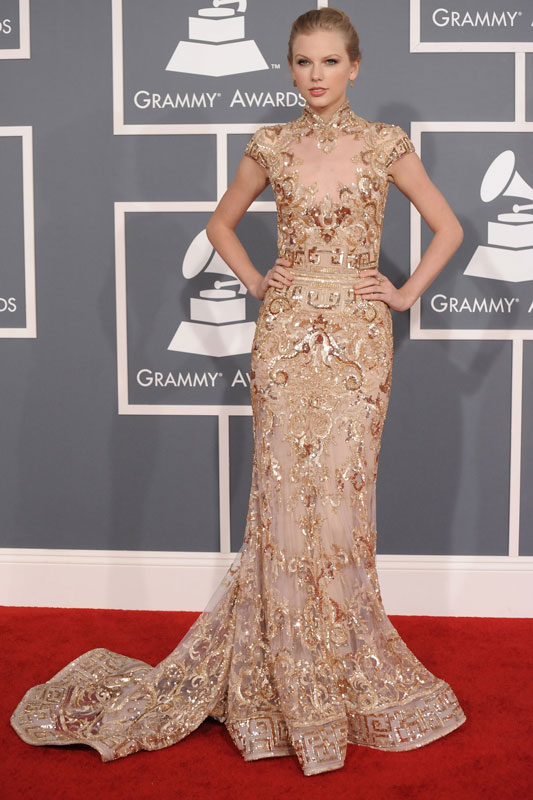
During the Speak Now era, Taylor’s red carpet style embraced couture glamour, favoring designers like Elie Saab and Zuhair Murad, shimmery fabrics, soft curls, and rosy lips that highlighted her classic Hollywood–inspired elegance. She also began wearing mini dresses more often, subtly showing off her model-like physique and legs, signaling that she was stepping into adulthood with confidence.
Meredith Grey Swift (2012)
Taylor Swift and Meredith (TAS Rights Management, 2012)

Meredith

Taylor’s touring schedule in 2011 was intense. She spent most of the year on the road across the US, with only brief breaks of a couple of days here and there. But as the North American leg of the “Speak Now World Tour” entered its final stretch, a long four-month break was on the horizon—and Taylor decided it was finally time to get a roommate. After all, she would soon be spending more time back home in Nashville again. On October 30, 2011, she wrote in her journal:

«Guess what I'm doing tomorrow? Getting a kitten!!! I've wanted a cat for so long and I'm finally doing it. I love Scottish folds. I look up internet videos of them. They're so cute and love humans. So I'm going to get this little kitten tomorrow morning! I'm naming her Meredith. Meredith Grey. Because she's grey.»

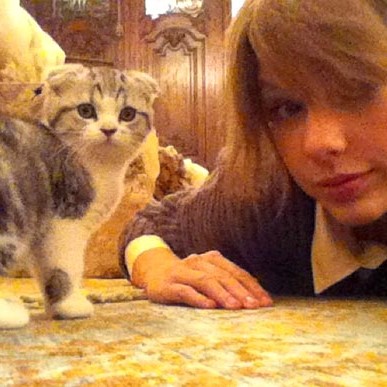
Her family had always owned multiple pets, but once Taylor moved out, she decided it was time to get a cat of her own. On Halloween 2011, she drove to nearby Franklin to pick up Meredith Grey, a Scottish Fold named after one of the protagonists from one of her favorite TV shows, Grey’s Anatomy. She immediately introduced her new feline friend on Twitter, posting a photo of the wide-eyed kitten curled up on a blanket with the caption: “Hanging out with my new roommate, Meredith.”

Meredith has lived with Taylor ever since and quickly became a beloved member of the Swiftie community. “If I go to Nashville, she comes to Nashville. If I go to LA, she comes to LA,” Taylor shared in 2012.

Billboard's Woman of the Year

At the end of 2011, Taylor was named “Woman of the Year” at the Billboard Women in Music event on December 2 in New York City, an annual celebration of the year’s most powerful and influential women in the music industry. At just 21, she became the youngest artist ever to receive the honor, a recognition that followed her tireless work ethic and a string of accolades earlier that year, including several Billboard Music Awards, among them “Top Country Album” for the five-times platinum-selling Speak Now.
At her young age, Taylor had already shown the power of good songwriting with music that transcended genres, and served as an inspiring role model for aspiring singer-songwriters and young women everywhere. She was a dedicated and prolific philanthropist as well, and had lent her time and efforts to raise money for causes ranging from clean water to literacy to disaster relief. She personally donated $1 million to to charities in 2011 alone. In her interview with Billboard, Taylor disclosed where she considered herself to be in the scale between a girl and womanhood:

«Growing up in this position, making music, writing songs and having everyone hear what I’m going through since I was about 16 years old, I wouldn’t have had it any other way. On a scale of being a girl or teenager or woman, I never tried to be the one to label myself which of those three I was. I’ve just tried to grow up in the most natural and gradual process that I possibly can and make choices I feel are right for me and my fans. Whether I’m a woman now, or whatever, is up to my fans to decide, not for me. I really haven’t felt the need to make some bold statement of maturity or make the 'dark' record yet.»

Safe & Sound

“Safe & Sound” is a song written by Taylor and the country duo The Civil Wars for The Hunger Games. It won a Grammy.

Wonderstruck

Wonderstruck is Taylor’s debut fragrance. It captures the magic and the flutter of young love and infatuation.

Eyes Open

“Eyes Open” is a song Taylor wrote for The Hunger Games. The lyrics encourage Katniss Everdeen to stay alert.
Taylor Swift for Vogue (Mario Testino, 2012)

A Cool New Look

Speaking of growing up, Taylor was ready for a change—and a new look. Even though her long, curly hair had become iconic and envied by women around the world, she wanted something different. After playing the final show of the American leg of the “Speak Now World Tour” in New York City, Taylor was invited to be the cover star of Vogue’s February 2012 issue. A major milestone, as appearing on the cover of the world’s most influential fashion magazine was a very big deal. The headline on the cover would read: “A Cool New Look for America’s Sweetheart.” For the photoshoot with Mario Testino, the glam team suggested clip-in bangs, since Taylor had already experimented with them at the 2010 American Music Awards. But after trying to style her long locks into bangs, Taylor reportedly said on the spot, “Oh, just cut it. It’s Vogue.” She premiered the haircut a few days later, tweeting a simple photo of herself with the caption: “Got a haircut.” In the accompanying interview, Taylor revealed some very self-aware thoughts about her life and career:

«Even though I am at a place where my dresses are really pretty and the red carpets have a lot of bright lights and I get to play to thousands of people...you have to take that with a grain of salt. The stakes are really high if you mess up, if you slack off and don’t make a good record, if you make mistakes based on the idea that you are larger than life and you can just coast.»

She also opened up about her public image and dating life. Reflecting on what she was looking for in a future partner, she revealed that she now had a mental checklist of red flags. For example, “If someone doesn’t seem to want to get to know me as a person but instead seems to have kind of bought into the whole idea of me and he approves of my Wikipedia page? And falls in love based on zero hours spent with me? That’s maybe something to be aware of. That will fade fast. You can’t be in love with a Google search.”

Taylor's Social Media

During the Speak Now era, Taylor maintained an active and personal social media presence. She posted multiple times a week, with Twitter as her favorite platform, where she shared reflections on everyday life. She occasionally uploaded vlogs to YouTube and photoblogs to her website, such as snapshots from a trip to Charleston with members of her touring crew. By the end of 2011, she had discovered Instagram, where she frequently shared photos of Meredith, her crafts, and casual hangouts with friends.
Taylor Swift for "Safe & Sound" (Philip Andelman, 2011)

The Hunger Games and Focus on Film

During her four-month break, Taylor split her time between her condo in Nashville and her newly purchased Beverly Hills cottage, which she would later sell in 2016. Quietly exploring opportunities in film, she landed a voice-acting role in The Lorax alongside Zac Efron, which premiered in March 2012. She was also in talks for the big-screen adaptation of the hit musical Les Misérables (2012) and auditioned for the role of Éponine, participating in a memorable screen test with Eddie Redmayne that required her to fly to London for a few days in January 2012. Reflecting on the experience in a 2022 interview with Graham Norton, Taylor said she knew immediately she probably wouldn’t be cast—but she decided to go through with the screen test anyway, viewing it as a valuable experience: “Basically I was up for two roles. I had the look of Cosette and the range vocally of Éponine, so it was established I was there for a good time but not for a long time.”

At the same time, anticipation for the soon-to-be phenomenon The Hunger Games had been steadily building throughout 2011, from the casting announcements to the release of the full-length trailer. Just in time for Christmas, on December 23, Taylor surprised fans with a major announcement: in the early hours of the morning, she revealed her contributions to the official soundtrack, “Safe & Sound” and “Eyes Open”. These were her first new songs since 2010. She wrote them to tell stories from the perspective of the lead character, Katniss Everdeen, played by then-rising star Jennifer Lawrence. Taylor said:

«Slipping into her mind was such a wonderful break. It’s pretty intense writing about my own life, my own struggles. It was almost like a vacation to get to write from someone else’s perspective.»

Taylor had long been a fan of the books, and her love for the series came through in the haunting and cinematic quality of the songs. “I fell in love with the book, fell in love with the themes running through it, [and] fell in love with Katniss.” A year later, she would go on to win a Grammy Award for “Best Song Written for Visual Media” for “Safe & Sound.”

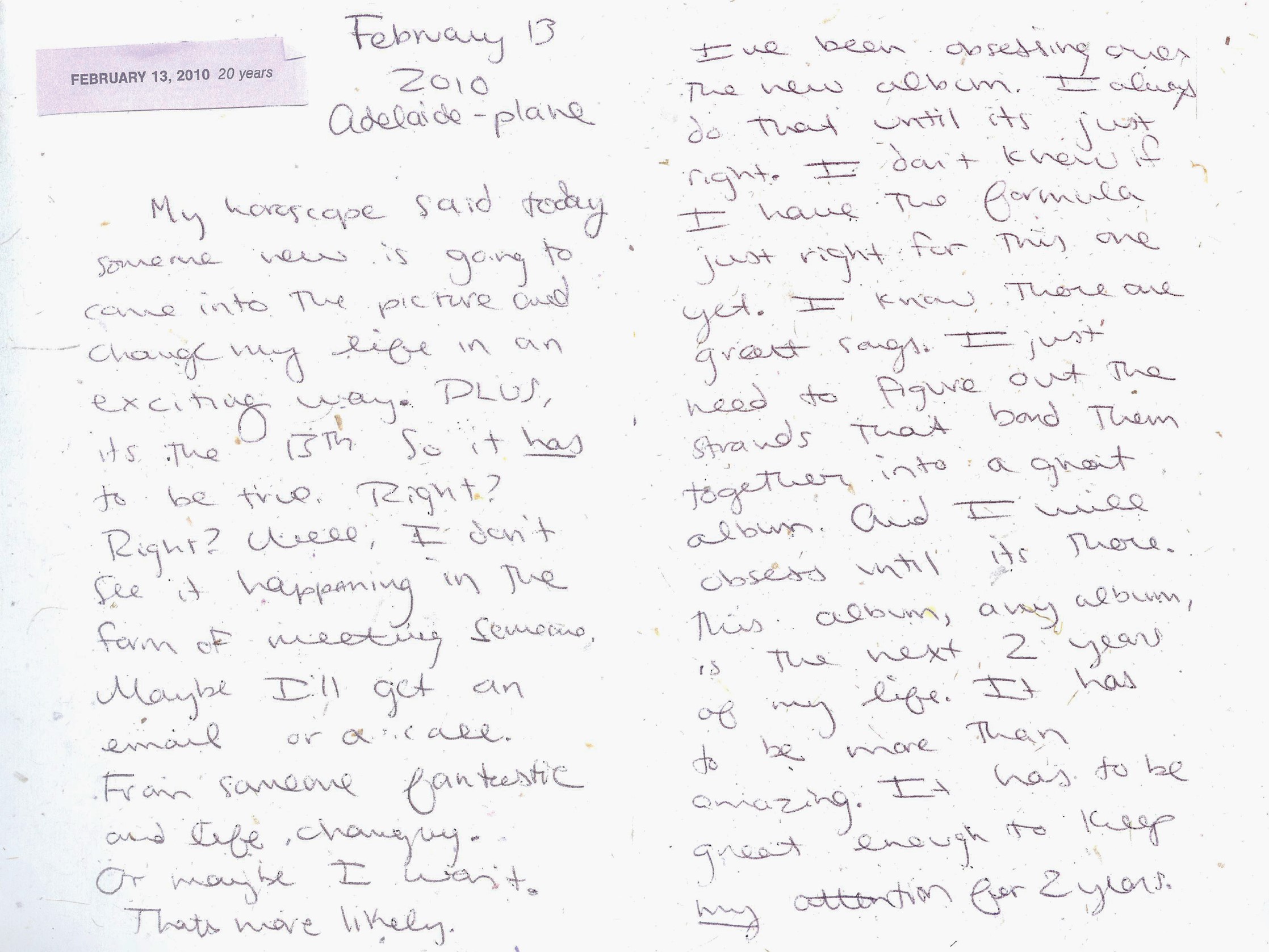
Taylor's Diary

Taylor’s diary pages from 2010-2012 offer intimate glimpses into her life, revealing the person, artist, and powerhouse she had become. They give insight into her real-time thoughts on an array of issues, people, ideas, and the many squabbles and triumphs that have shaped her life as a musician and celebrity.
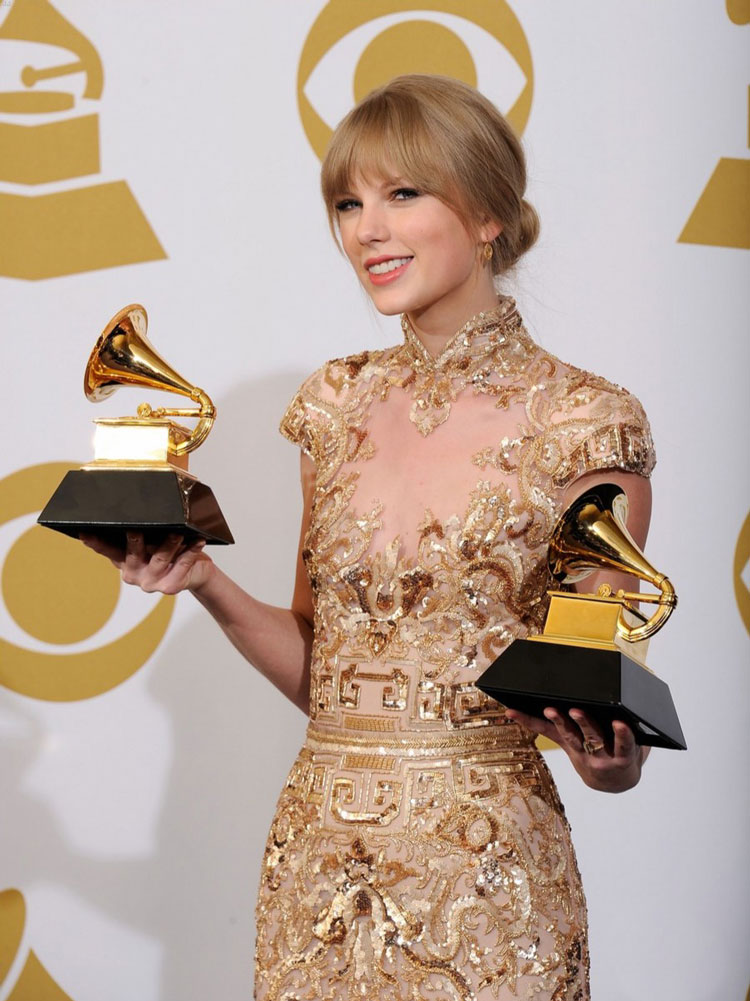
Taylor Swift at the 2012 GRAMMY Awards (Getty, 2012)

An Enchanting Era

Remembering that the Speak Now era had begun with Taylor grappling with self-doubt and critics’ scrutiny, the 2012 Grammy Awards served as a meaningful and symbolic full-circle moment for the album. That night, she won two awards: “Best Country Song” and “Best Country Solo Performance.” Accepting the latter, she gushed:

«This is fantastic! It's always gonna mean the world to me, the idea of getting to go to the Grammys. This one really means a lot to me because it's for the song, 'Mean,' that I wrote. There's no feeling like writing a song about someone who is really mean to you and completely hates you and makes your life miserable...and then winning a Grammy for it.»

Nowadays, some claim that Speak Now became the “forgotten Taylor Swift era.” After all, it didn’t produce evergreen hits like “You Belong With Me” or “Love Story”. Yet it was a period of intense creativity, professional growth, and growing up for Taylor. As she reflected in the prologue for Speak Now (Taylor’s Version) in 2023: “When I think back on the Speak Now album, I get a lump in my throat. I have a feeling it will always be that way, because this period of time was so vibrantly aglow with the last light of the setting sun of my childhood. I made this album, completely self-written, between the ages of 18 and 20. I’ve spoken about how I feel like those ages are the most emotionally turbulent ones in a person’s life. Maybe when I say that, I’m really just talking about myself.”

That nostalgia for a childhood soon to vanish, combined with the excitement and uncertainty of approaching adulthood, gave the Speak Now era a unique sense of magic. Taylor was full of hope and ready to spread her wings as an artist, yet she remained deeply aware of her audience—and knew they weren’t quite ready for her to grow up just yet.

Frequently Asked Questions

When did the Speak Now era take place, and what made it unique?
The Speak Now era took place from 2010, with the album’s release, through early 2012, spanning the album’s promotion, the world tour, and related projects. It was unique because Taylor wrote the entire album herself, balancing personal storytelling with rapid professional growth, while navigating the pressures of fame and evolving into adulthood.
The Speak Now era reshaped Taylor Swift’s career by firmly establishing her as a self-sufficient songwriter, having written every track on the album herself, which elevated her credibility and artistic identity. It also expanded her public image, showing her growth from teenage country star to a polished, multifaceted artist capable of managing fame, touring, brand partnerships, and early ventures into acting and fashion.
The Speak Now era was defined by a romantic, fairytale-inspired aesthetic, blending whimsy with youthful elegance.
The musical highlights of the Speak Now era included fan favorites and critically praised tracks like “Mine,” “Back to December,” and “Enchanted,” showcasing Taylor’s storytelling and emotional range. The era’s achievements were significant: the album earned multiple 2011 Billboard Music Awards including “Top Country Album,” and culminated in two 2012 Grammy Awards for “Best Country Song” and “Best Country Solo Performance,” while her contributions to The Hunger Games soundtrack later won a Grammy for “Best Song Written for Visual Media” in 2013.
The Speak Now era influenced pop culture by setting a new standard for artists: Taylor Swift wrote the entire album herself, demonstrating that pop stars could—and should—be true songwriters. This precedent reshaped the industry, and today it’s widely expected for mainstream artists to contribute meaningfully to their own music, a standard that countless major names have credited Taylor with.
Taylor Swift Switzerland Logo (2025)
Privacy Overview

This website uses cookies so that we can provide you with the best user experience possible. Cookie information is stored in your browser and performs functions such as recognising you when you return to our website and helping our team to understand which sections of the website you find most interesting and useful.