

RED
October 22, 2012

Background and Announcement
«I've always been very aware of my own relevancy mortality. My career started when I was 16, putting out albums. So by 22, I was already on some days feeling like old news. I was already watching newer, cooler artists come out every week. And I was feeling like, ‘Shit, I'm on my fourth record. What can I offer people?’ And that was when I was like, ‘No, you know what? I want to make music with people I've never made music with before. I want to learn and grow. And I don't want this to be the part of me that just stays in this one place, musically, forever and bores people to death.’ So, it actually was an interesting match with my own fears of remaining stagnant that made RED the kind of joy ride that it ended up being.»
Taylor Swift
RED marked a turning point in how Taylor positioned herself musically. She remained closely connected to the country community that had shaped her early career, but by her early twenties, that identity no longer fully contained what she was doing. Her promotion, audience, and sound were increasingly aligned with mainstream pop, and her global success made the distinction harder to maintain, something that was already visible in how she introduced the record to the world. She announced it via a live Google+ Hangout, filmed in her mother’s Nashville home, where she answered fan questions from across the globe, from the United States to Brazil and Sweden.
More importantly, the traditional sonic palette of country—guitars, fiddles, and banjos—no longer felt sufficient to express the full range of what she was writing about. She told Spin in 2012, “For me, as a country artist, on your fourth record, I don’t think you should only get to use certain instruments, and that certain other kinds of styles of music and influences should be off-limits. I just really liked painting with all different kinds of colors on this record.”
Stepping outside of Nashville and working with new pop producers was a big shift, but it also opened up a different kind of creative freedom. In that process, Taylor discovered something that would define her career from that point forward: a willingness to experiment, to challenge her own formula, and to embrace change rather than resist it. As she told Rolling Stone in 2020, “I really felt like I was standing on a state line and I had a foot on either side of the borderline. And I was just getting to exist in both worlds, which for me at the time was really thrilling.”
| Artist | Taylor Swift |
|---|---|
| Released | October 22, 2012 |
| Recorded | March 2011–2012 |
| Studios |
Ballroom West (Los Angeles) Blackbird (Nashville) Conway (Los Angeles) Enormous (Los Angeles) Instrument Landing (Minneapolis) Marlay (North Hollywood) MXM (Stockholm) Pain In The Art (Nashville) Ruby Red (Santa Monica) The Garage (Topanga Canyon) The Village (Los Angeles) |
| Genre |
Country Pop Rock |
| Length | 65:11 (Standard Edition) |
| Label | Big Machine Records |
| Producers |
Taylor Swift Nathan Chapman Jeff Bhasker Dann Huff Jacknife Lee Max Martin Shellback Butch Walker Dan Wilson |
Tracklist: RED
STANDARD EDITION
DELUXE EDITION
Title Significance
«All the different emotions that are written about on this album are all pretty much about the kind of tumultuous, crazy, insane, intense, semi-toxic relationships that I’ve experienced in the last two years. All those emotions—spanning from intense love, intense frustration, jealousy, confusion, all of that—in my mind, all those emotions are red. You know, there’s nothing in between. There’s nothing beige about any of those feelings.»
Taylor Swift

RED Era

Songs on RED
![RED (Taylor's Version) [Republic Records, 2021]](https://taylorswiftswitzerland.ch/wp-content/uploads/2021/06/8k-RED-Taylors-Version-1024x1024.jpg)
RED (Taylor's Version)

Writing and Recording
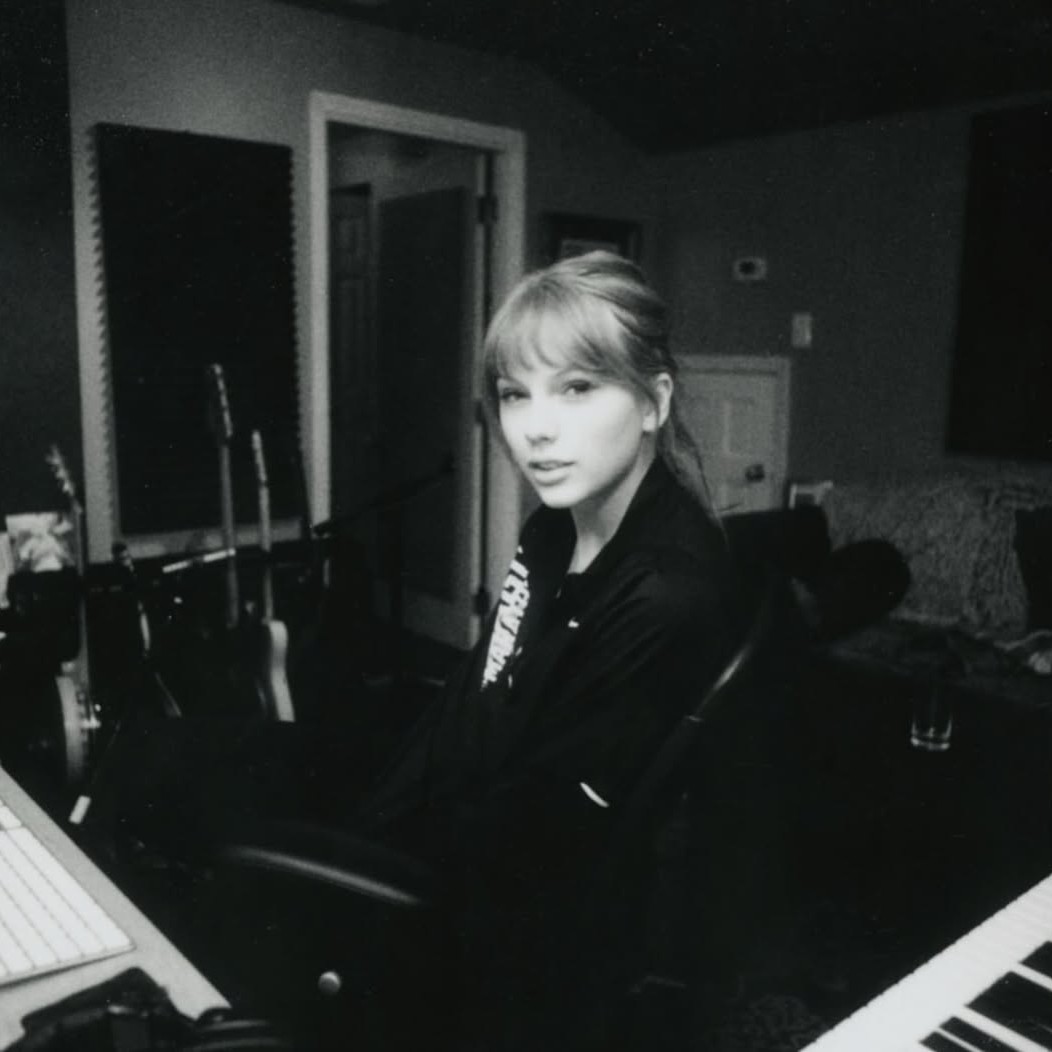
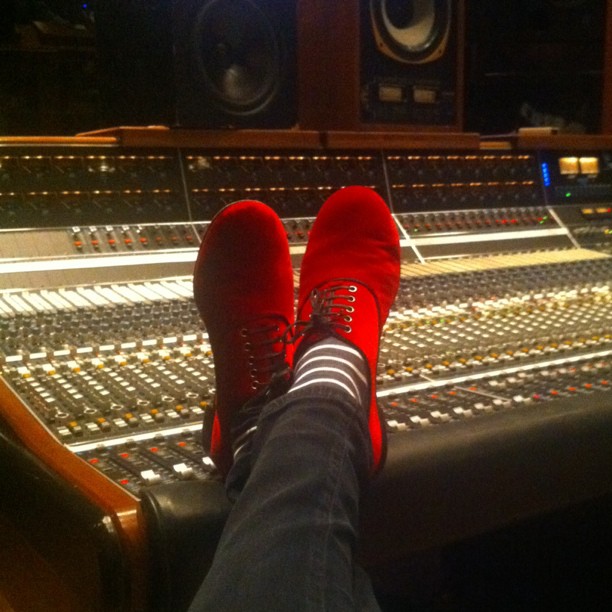
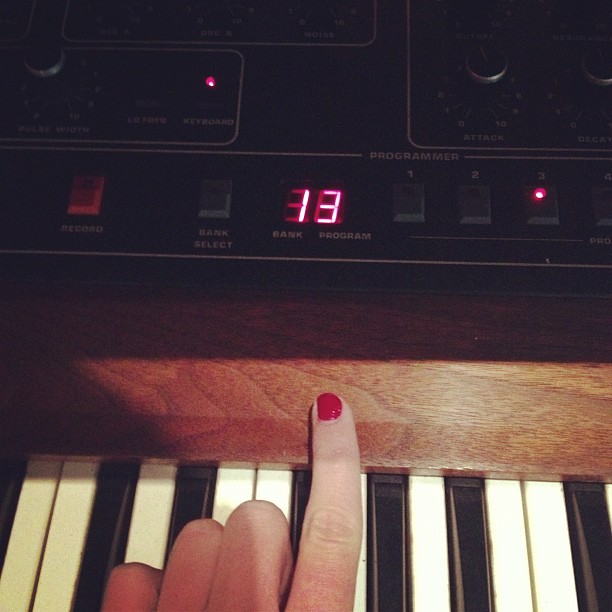
At the time, she was in the middle of recording the album’s title track, “Red,” with Nathan and her curiosity started “wandering to all the places [she] could go.” After several production attempts that didn’t quite achieve the country-pop-rock sound she was aiming for, she turned to label president Scott Borchetta, asking him to reach out to Swedish pop producer Max Martin, whose chart-topping work had caught her attention for how effectively it “just lands a chorus.”
And so, rather than moving straight into the next release, Taylor chose to use the additional time within her usual two-year album cycle to step outside her comfort zone and work with new producers for the first time in her career. This also meant looking beyond Nashville and seeking new inspiration in places like Los Angeles. She told Rolling Stone in 2020:
«The first songs that I wrote for the RED album are the Nashville songs, the ones that I did with Nathan Chapman. Songs like ‘State of Grace,’ ‘Stay, Stay, Stay’ and ‘All Too Well’. Those are songs that I wrote first. And then I made this journey out to LA and started working with other people. RED was like a wellspring of really important relationships that I carried with me for the rest of my career. I became best friends with Ed Sheeran, and he's still someone that I talk to every week. And Max Martin, who was the person who taught me more about writing than anyone I can imagine ever meeting. So, this was a really important record for me in terms of, I guess, the origins of things that I carried with me.»
Taylor Swift
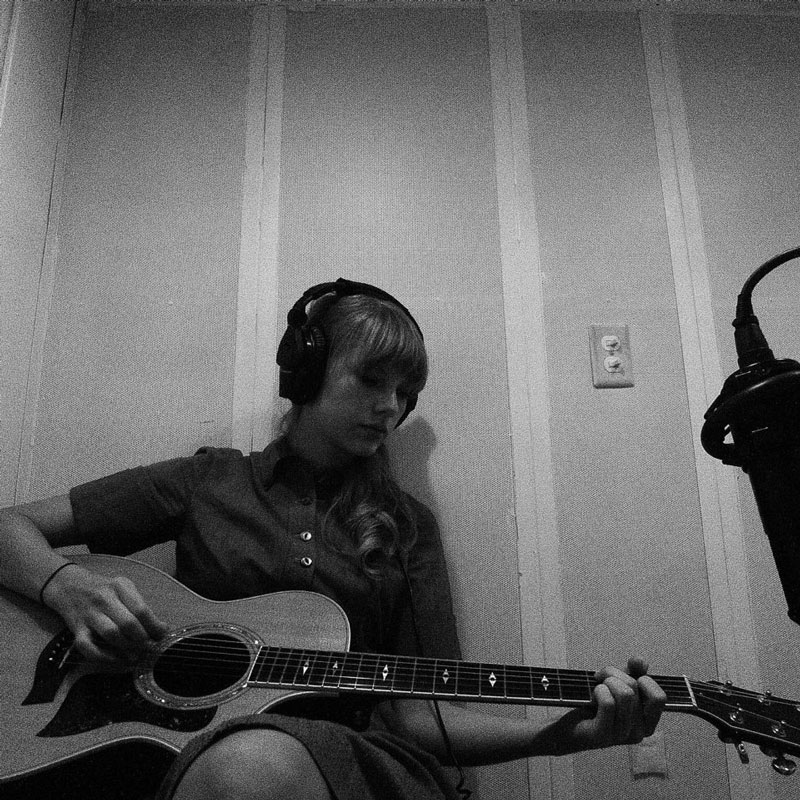
At the same time, this shift in sound did not change her priorities as a songwriter. Lyrics remained at the center of her process, with Taylor focusing on capturing her emotions as directly and in as much detail as she had on her earlier records. The starting point for each song was always the feeling itself; the production came later, shaped around the story she wanted to tell. When collaborating with other writers, she would begin by explaining the emotions she had been experiencing, often playing a rough demo on guitar before opening the discussion. From there, the process became more collaborative, with co-writers helping to refine how the story could be expressed most effectively.
Because each song originated from a specific emotional place, the production naturally varied from track to track. The result was an album that brought together a wide range of styles, with each sound chosen to match the feeling at its core.
Making of


Lyrical Themes
«I look back on this as: This is my only true breakup album. Every other album has flickers of different things but this was an album that I wrote specifically about a pure, absolute to the core heartbreak. And you do a lot of vacillating and changing when you're going through something like that. So, this record actually is an accurate depiction symbolically of that.»
Taylor Swift
Taylor has also cited literary and musical influences that shaped this perspective. She references Chilean poet Pablo Neruda in the album’s prologue, quoting the line “Love is so short, forgetting is so long” from Tonight I Can Write the Saddest Lines (1924), capturing the album’s central tension between fleeting intimacy and lingering memory. At the same time, she has pointed to Canadian singer-songwriter Joni Mitchell and her 1971 album Blue as a key influence, particularly for its deeply introspective exploration of emotional life—something Taylor admired for how it “explores somebody’s soul so deeply.”
Across the album, her writing increasingly moves away from assigning clear blame in relationships and instead leans into ambiguity. Heartbreak is no longer framed as a simple narrative of wrong and right, but as something more complex, shaped by shifting perspectives and imperfect understanding. This emotional complexity is also reflected in her personal experience at the time. Taylor has described how much of RED was inspired by a relationship that later prompted a response from her ex-boyfriend, who reportedly described listening to the album as “bittersweet…like going through a photo album.” The songs themselves carry that same quality of revisiting moments that are already over, yet still vividly present.
At the same time, the album subtly expands her thematic range. While love and heartbreak remain central, there are quieter allusions to sexuality and early adulthood on tracks like “State of Grace” or “Treacherous,” marking a coming-of-age moment in her writing—a transition from observing emotional and romantic experience from a distance to engaging with it directly, in all its uncertainty and immediacy.
Composition
«I love Jackson Pollock, and I really do see this album as my splatter paint album. I'm using all the colors, and throwing it at the wall, and seeing what sticks. And I really think that when RED came out it had a lot of people that were criticizing it for its (the fans make fun of me for saying this so much over the course of a couple of years) lack of being sonically cohesive. It was absolutely not cohesive but it was sort of a metaphor for how messy a real breakup is.»
Taylor Swift
At the same time, RED never abandons the more organic sounds that had shaped her earlier work. The title track, produced by Taylor, Nathan, and Dann Huff, balances country instrumentation with a broader rock dynamic, as does “Starlight,” while the Grammy-nominated “Begin Again” maintains a more traditional warmth. Other collaborators added further variety: Jeff Bhasker brought a rhythmic, expansive feel to “Holy Ground” and “The Lucky One”; Butch Walker produced the understated duet “Everything Has Changed” with Ed Sheeran; and Dan Wilson shaped “Treacherous” and “Come Back…Be Here” with a slower-building emotional intensity. On “The Last Time,” collaboration with Gary Lightbody and Jacknife Lee added an atmospheric, alternative edge unlike anything on her previous albums.
That is what makes the production of RED so compelling. Its diversity is not just experimentation for its own sake; it is part of the storytelling. By allowing every emotion to have its own sound, Taylor turned the album into a musical representation of heartbreak itself: fragmented, contradictory, and constantly shifting.

Lead Single

Begin Again

I Knew You Were Trouble.

Art Direction
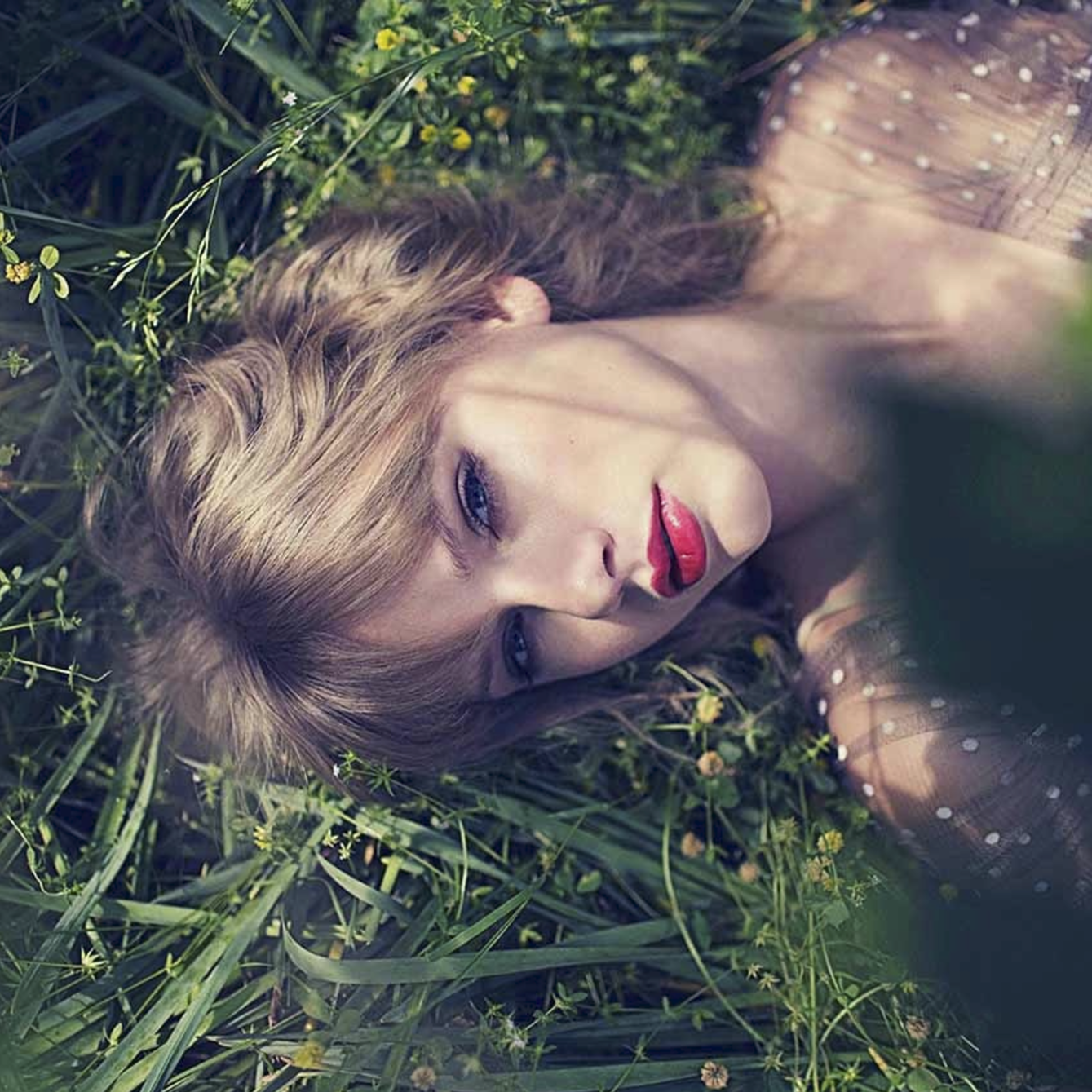
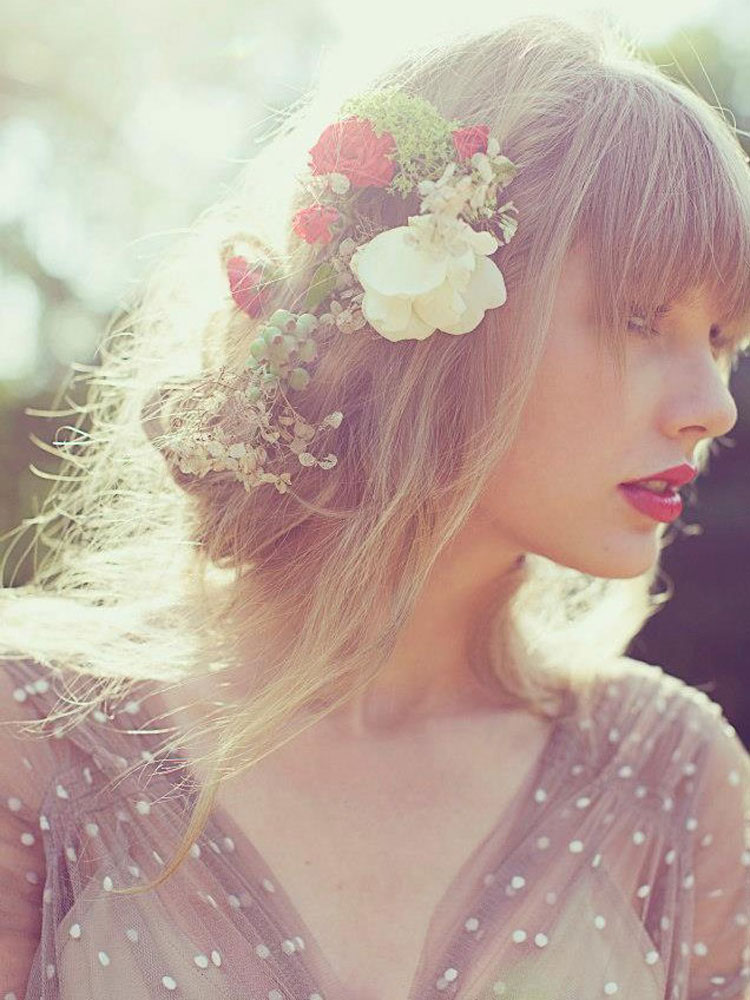
«What ended up happening was one of her background singers needed headshots. When Taylor saw them a few months later, she came to me and was like, 'Liz showed me the shots you took of her, and I need my album to look exactly like that.' Clearly, this was a no-brainer. I said, 'OK!' Before then, I’d been kind of burned out on music photography. A lot of the shoots were super controlling. I needed a new perspective on the field itself and wanted future shoots to be very free-flowing—just the artist and a minimum crew. Luckily for me, that’s exactly how Taylor presented the RED album shoot. So it was just us shooting everything together. She wanted everybody else to remain off set, allowing for a more personal and intimate experience.»
Sarah Barlow
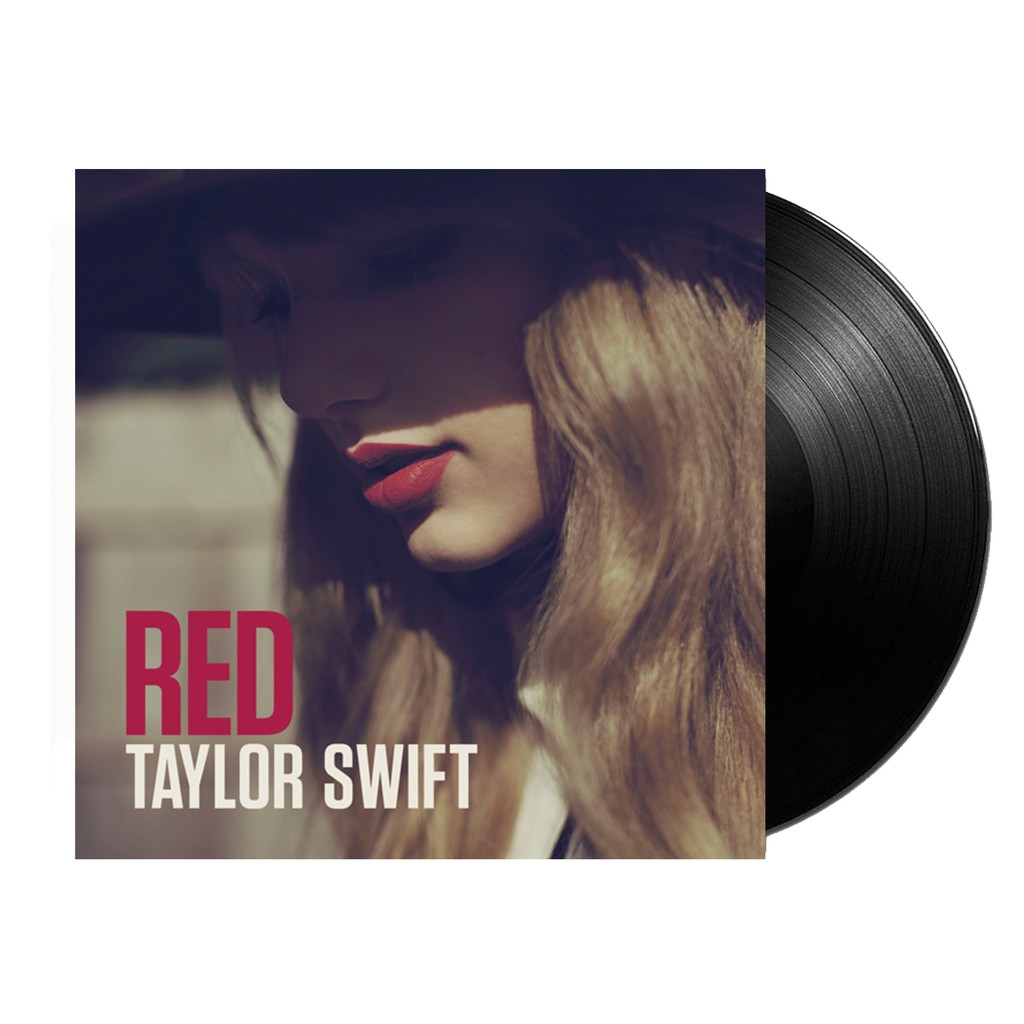
Taylor later explained that, unlike previous albums where multiple options were weighed and discussed, this image felt immediate and definitive: “We’ve never had that happen before…I knew it when I saw this photo because it’s really mysterious and you don’t quite know what I’m thinking and you can’t quite see me.” That deliberate sense of distance and ambiguity becomes central to the album’s visual identity. The aesthetic continues throughout the rest of the photoshoot, which relies on muted tones and understated, timeless styling. Instead of constructing a clear visual narrative, the imagery leans into atmosphere, leaving interpretation open and allowing listeners to project their own meanings onto the songs. The recurring but subtle use of red, both in the title and as a visual accent throughout the booklet, works as an emotional shorthand for intensity, volatility, and passion, echoing the album’s exploration of heartbreak in its many conflicting forms.
Critics and fans have also noted parallels to Blue by Joni Mitchell, particularly in its introspective framing and emphasis on emotional rather than literal representation. In hindsight, the collaboration with Sarah Barlow also marked the beginning of a successful creative partnership—she would later go on to shoot the iconic artwork for 1989 (2014), helping to further define the visual evolution of Taylor’s career.
RED Photoshoot










Release and Promotion
The campaign combined large-scale brand partnerships with a constant media presence. Distribution deals placed the album in major retail chains such as Starbucks, Walmart, Walgreens, and Papa John’s, alongside an exclusive merchandise collaboration with Keds. When RED was released on October 22, 2012, it was made widely available across formats, with the deluxe edition offered as a physical exclusive through Target—a model Taylor has successfully used throughout her entire career.
Promotion intensified immediately after release. Within days, Taylor appeared across major US television platforms including Good Morning America, The Ellen DeGeneres Show, and Late Show with David Letterman, while also conducting an unusually high number of radio interviews, reaching dozens of stations not only in the US but internationally. At the same time, she used social media to actively involve fans, encouraging them to request her songs on local radio, reinforcing the sense of a coordinated, fan-driven rollout.
The album’s lead single, “We Are Never Ever Getting Back Together,” was released the same day as the announcement and quickly became a defining moment of the campaign, marking her first No. 1 on the Billboard Hot 100. Publications described the achievement as a clear sign that Taylor had moved decisively beyond a country-only audience, with the single performing strongly across pop radio and international charts while having comparatively limited impact on country airplay. Upon learning the news, she shared on Twitter:
«#1 on Billboard's Hot 100!!?! This has been the most amazing week. I can't believe how incredible you guys are. (Jumping up and down)»
Taylor Swift
This crossover appeal became even more apparent with follow-up singles like “I Knew You Were Trouble.,” which achieved major success on pop radio and internationally, alongside releases such as “22” and “Everything Has Changed.” Despite being promoted as a country album, the sound and performance of these singles fuelled an ongoing media discussion about Taylor’s genre identity.
Album Artwork




Critical Reception
The album’s production, however, proved more divisive and sparked a broader debate about Taylor’s artistic identity. While she and Big Machine Records promoted RED as a country album, its wide range of styles led critics to question where it fit. Spin noted that it was difficult to categorise the record at all, while others argued that it marked her inevitable shift toward mainstream pop. At the same time, some reviews saw this genre-blending as a strength: Billboard praised its ambition, and The New York Times described the production as a defining feature that underscored her evolution into a pop artist.
Taylor herself largely sidestepped the debate. In an interview with The Wall Street Journal in 2012, she described country music as something that still “feels like home,” adding:
«I leave the genre labeling to other people. I really do. If I were to think too hard about it, that would stifle you creatively. If you think too hard about who other people want you to be as an artist, it stops you from being who you want to be as an artist.»
Taylor Swift
Hidden Messages


Commercial Performance
«They just told me RED sold 1.2 million albums first week. How is this real life?! You are UNREAL. I love you so much. Thanks a million ;)»
Taylor Swift
Beyond its debut, RED showed strong staying power, returning to No. 1 multiple times and spending seven non-consecutive weeks atop the Billboard 200. It also dominated the country charts, where it remained a major presence for over a year and became the year-end No. 1 country album for both 2012 and 2013.
Internationally, RED carried that momentum into key global markets, reaching No. 1 in countries including the UK, Ireland, Canada, Australia, New Zealand, and Scotland. In Europe especially, the album helped solidify Taylor’s transition from a US-centered country-pop act into a mainstream global pop artist, with the UK standing out as a major milestone: it became her first No. 1 album there and supported multiple Top 10 singles that kept her presence on European charts strong and sustained. By the end of 2012, RED was among the year’s best-selling albums worldwide, confirming Taylor’s growing status as a global mainstream artist.
Accolades
At the same time, RED continued to receive recognition from traditional country institutions, earning nominations for “Album of the Year” at both the 2013 Country Music Association Awards and the Academy of Country Music Awards. However, this period also reflected a growing tension in how the country industry engaged with Taylor: while she was still widely nominated, there was a noticeable hesitance to fully award her at the highest category level as her sound and audience increasingly moved toward mainstream pop. As a symbolic recognition of Taylor’s international stardom, that same award cycle the CMAs honored her with a career milestone with the presentation of the “Pinnacle Award,” typically associated with lifetime achievement-level success—a distinction she received at just 23 years old. In her acceptance speech, Taylor said:
«To the CMA, to whom ever made this choice, you're not only rewarding my hard work and exhaustion you're rewarding my family and my label and anyone who works with me and most of all the fans who fill stadiums. I love you! On behalf of all of those people, thank you. I love you. You've made me feel so special right now, thank you!»
Taylor Swift

22

Red

Everything Has Changed

Impact and Legacy
«I felt so proud and still feel so proud of my origins in Nashville. But at a certain point I started to feel like, 'Am I allowed to color outside the lines here?' And it really was amazing on RED to realize like, 'Oh, I'm allowed in these rooms, I'm accepted in these rooms!' That was something that freed me up for a world of change, and challenge, and innovation, and I never would have had the bravery to make the full leap into pop music, if I hadn't been able to do what I did with RED, and to work with the people that I worked with. I will always look back on it and just think, 'Wow, that was really the beginning of everything that I'm doing now.'»
Taylor Swift
RED is regarded as one of the most important albums in Taylor’s catalogue: a record that bridged her Nashville beginnings and her global pop era, while also reshaping expectations around genre in mainstream music.