

The folklore & evermore Era
2020 – 2021
Beginning of Era
End of Era
Associated Albums
evermore (2020)
Tour
Aesthetic
Style
Collaborating remotely with her longtime creative partner Jack Antonoff and The National’s Aaron Dessner, she wrote and recorded what would become one of the most unexpected and defining works of her career: folklore. It set a new bar for what a Taylor Swift album could be. With hushed vocals, textured arrangements, and a literary sensibility, it represented a bold shift. Narratives unfolded through fictional characters, shifting perspectives, and unreliable narrators, a deliberate step away from the autobiographical lens that had defined much of her earlier work. Drawing influence from indie folk, chamber pop, and alternative rock, folklore marked a profound evolution in Taylor’s artistry.
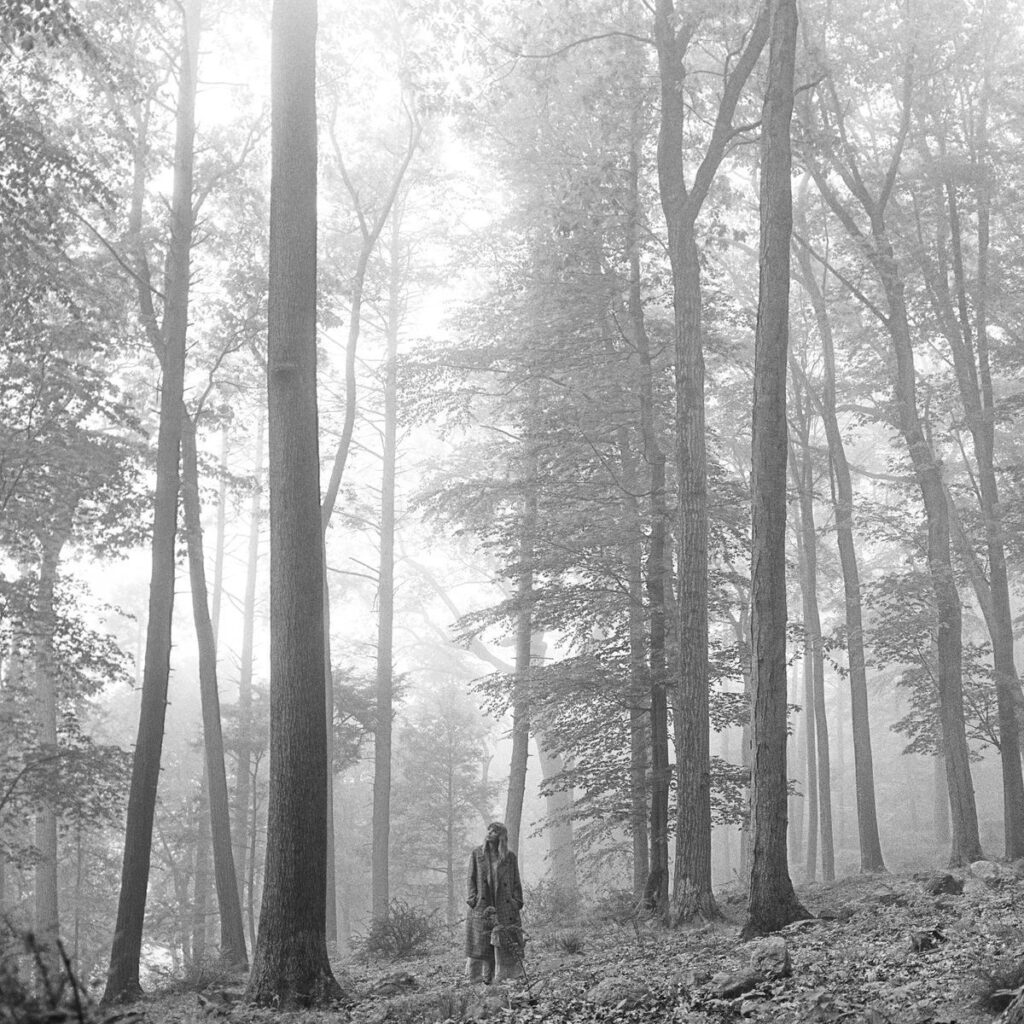
folklore

evermore

long pond studio sessions
Lockdown in Los Angeles
When lockdown struck in March 2020, Taylor happened to be in Los Angeles and found herself quarantining with her partner at the time, Joe Alwyn, in her Beverly Hills mansion. She hadn’t set out to make an album. But as she recounted to fans during “The Eras Tour,” the creative process began just two days into lockdown—driven partly by instinct, and partly by a deep need to escape reality. She made an interesting confession during the tour stop in Melbourne:
«[I was] imagining that, instead of being a lonely millennial woman covered in cat hair drinking my weight in white wine, I was a ghostly Victorian lady wandering through the woods with a candle in a candlestick holder, and I wrote only on parchment with a feathered quill. That was in my mind, what I thought I looked like writing folklore. That is not what I looked like... So that’s all that matters—the delusion.»
Taylor Swift
During that time, her creativity took many forms beyond songwriting. She took up crafting, sewing silk baby blankets with embroidery and stuffed animals for friends who had recently become parents. She also returned to painting, favoring acrylics and oils for landscapes, though she confessed that watercolors often led her back to delicate florals. “I always kind of return to painting a lonely little cottage on a hill,” she said—a striking image that echoes the pastoral solitude that would come to define folklore’s sonic and lyrical world.

Timeline of the folklore & evermore Era
Explore some of the defining moments of the folklore & evermore era and dive into the stories behind them in more detail below.
The era began on July 23, 2020, when Taylor surprise-announced folklore just hours before its release. She wrote, "Most of the things I had planned this summer didn’t end up happening, but there is something I hadn’t planned on that DID happen. And that thing is my 8th studio album, folklore. Surprise!"
In September 2020, Taylor, Aaron Dessner and Jack Antonoff assembled together at Long Pond Studio to play the complete album for the first time in the same room, with Taylor revealing the creative process, stories, and inspirations behind the songs through cozy discussions. The recording was released in November.
After releasing folklore, Taylor continued to work with Aaron, who would send her instrumental tracks, to which she would write the lyrics. Soon after, their sessions resulted in a project that was a natural extension of folklore, which eventually assumed its individual identity as evermore, released in mid-December.
In March 2021, folklore was crowned "Album of the Year" at the 63rd Annual Grammy Awards—Taylor’s historic third win in the category. "You guys met us in this imaginary world that we created, and we can’t tell you how honored we are forever by this. [...] We will never forget that you did this for us. Thank you so much."
No Rules Anymore: Taylor’s Indie Reinvention
That idea resurfaced at exactly the right time. As the pandemic lockdowns began, Taylor reached out to Aaron via email. “I said, ‘Do you think you would want to work during this time? Because my brain is all scrambled, and I need to make something—even if we’re just kind of making songs that we don’t know what will happen with.’” For Aaron, the message arrived unexpectedly when he was sitting at the dinner table one night. “She said, ‘Just send anything—even the weirdest, most random sketch you have.’” He did just that. Taylor knew exactly what kind of music she wanted to make next: introspective, lyrical, and textured with the quiet sadness of a world paused in stillness:
«There’s so much stress everywhere you turn that I kind of wanted to make an album that felt sort of like a hug, or like your favorite sweater that makes you feel like you want to put it on. Like a good cardigan, a good, worn-in cardigan. Or something that makes you reminisce on your childhood. I think sadness can be cozy. It can obviously be traumatic and stressful, too, but I kind of was trying to lean into sadness that feels like somehow enveloping in not such a scary way—like nostalgia and whimsy incorporated into a feeling like you’re not all right. Because I don’t think anybody was really feeling like they were in their prime this year. Isolation can mean escaping into your imagination in a way that’s kind of nice.»
Taylor Swift
Taylor’s Social Media

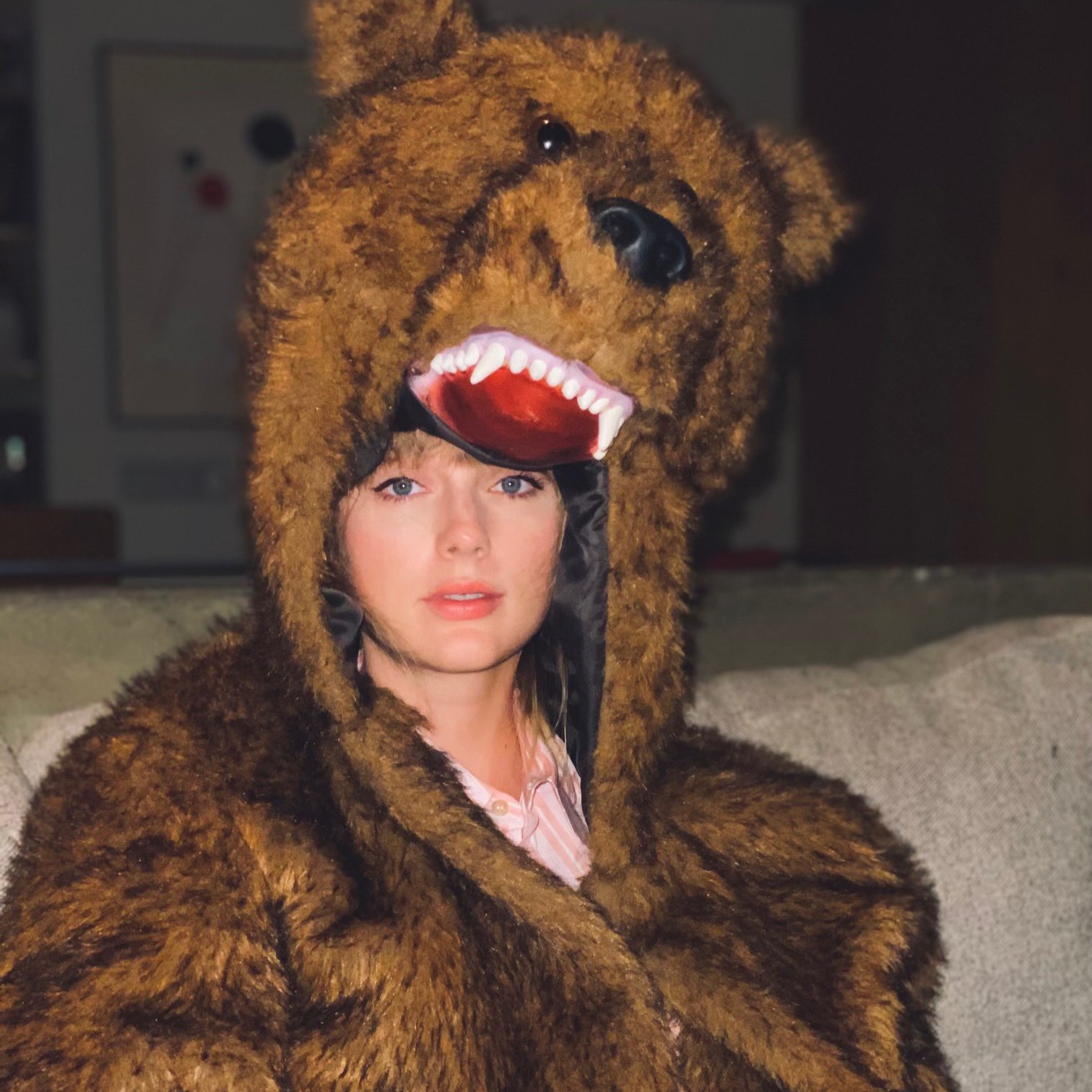
A Surprise Release
«Well, it felt like it was only my thing. It felt like such an inner world I was escaping to every day that it almost didn't feel like an album. Because I wasn't making a song and finishing it and going, 'Oh my God, that is catchy.' I wasn't making these things with any purpose in mind. And so it was almost like having it just be mine was this really sweet, nice, pure part of the world as everything else in the world was burning and crashing and feeling this sickness and sadness. I almost didn't process it as an album. This was just my daydream space.»
Taylor Swift
«I just thought there are no rules anymore. I used to put all these parameters on myself, like, ‘How will this song sound in a stadium? How will this song sound on radio?’ If you take away all the parameters, what do you make? And I guess the answer is folklore.»
Taylor Swift
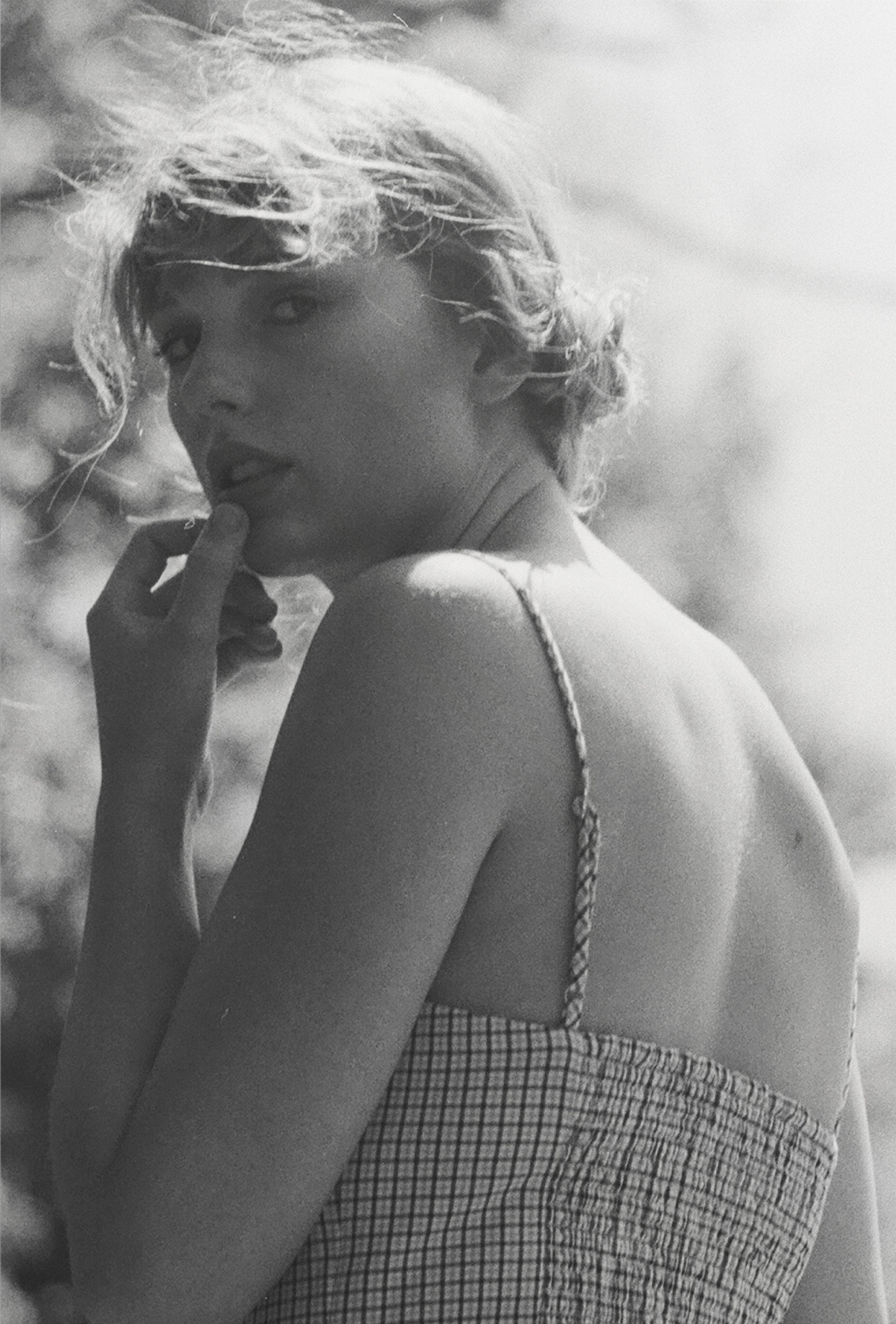
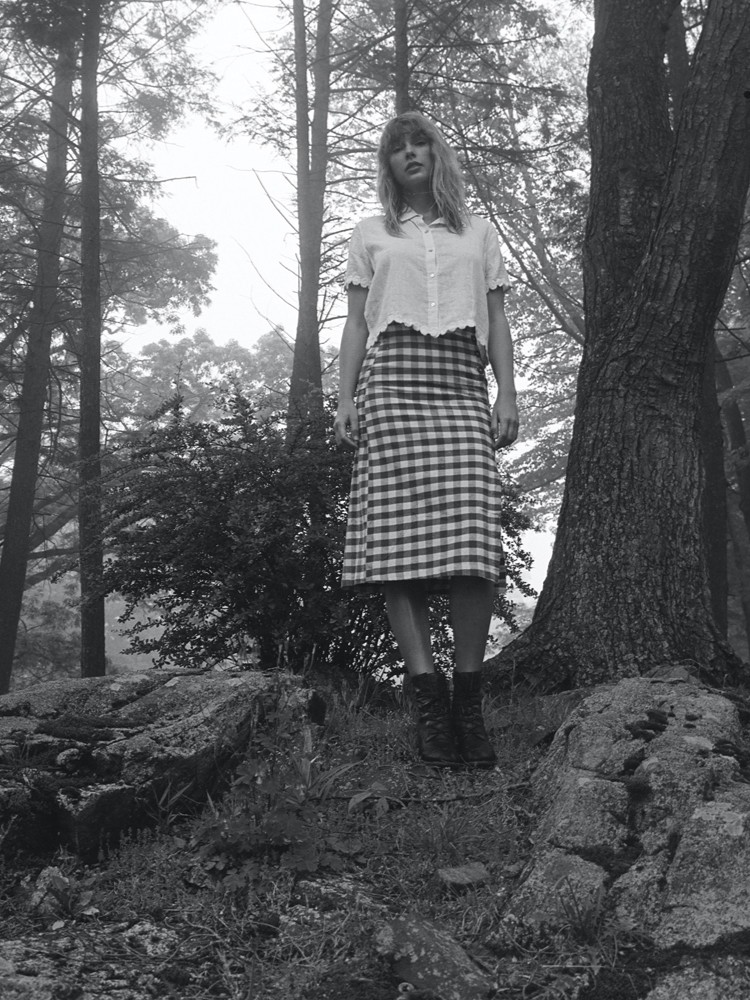
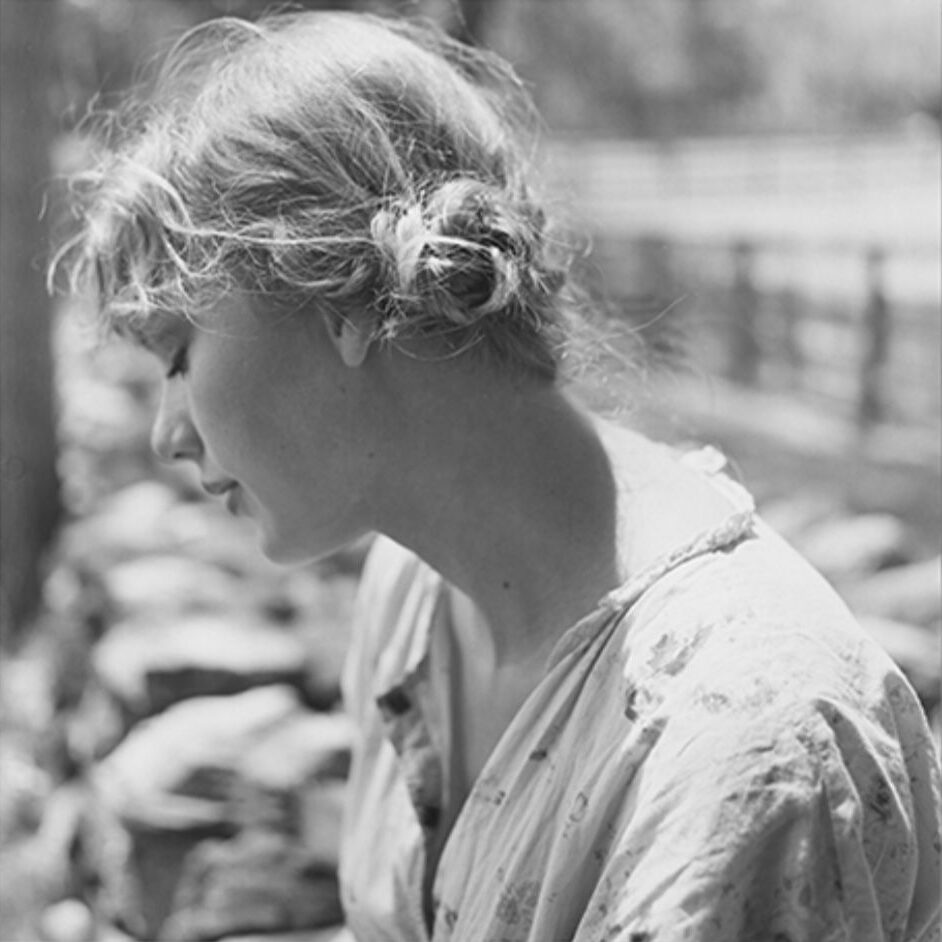
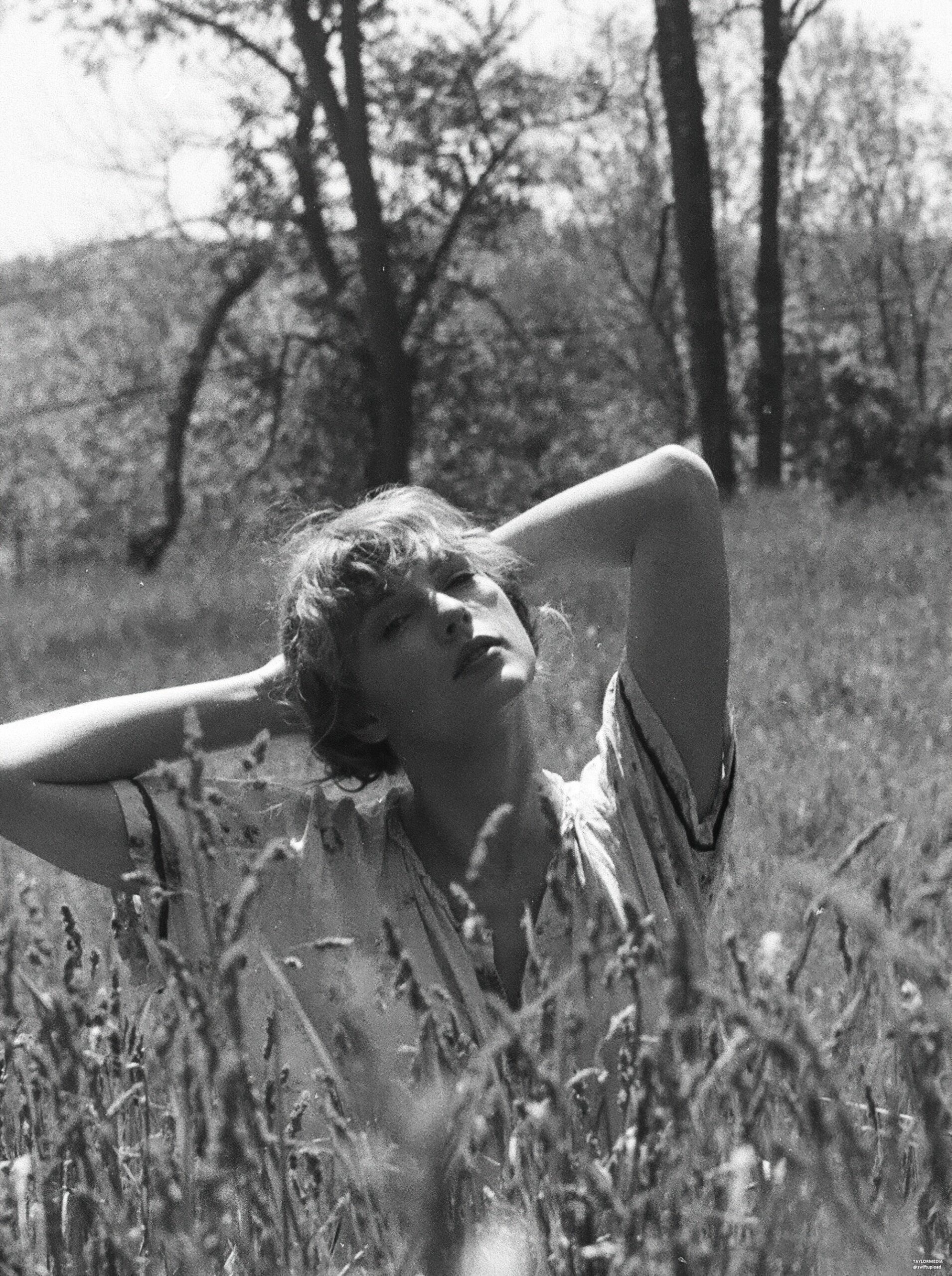
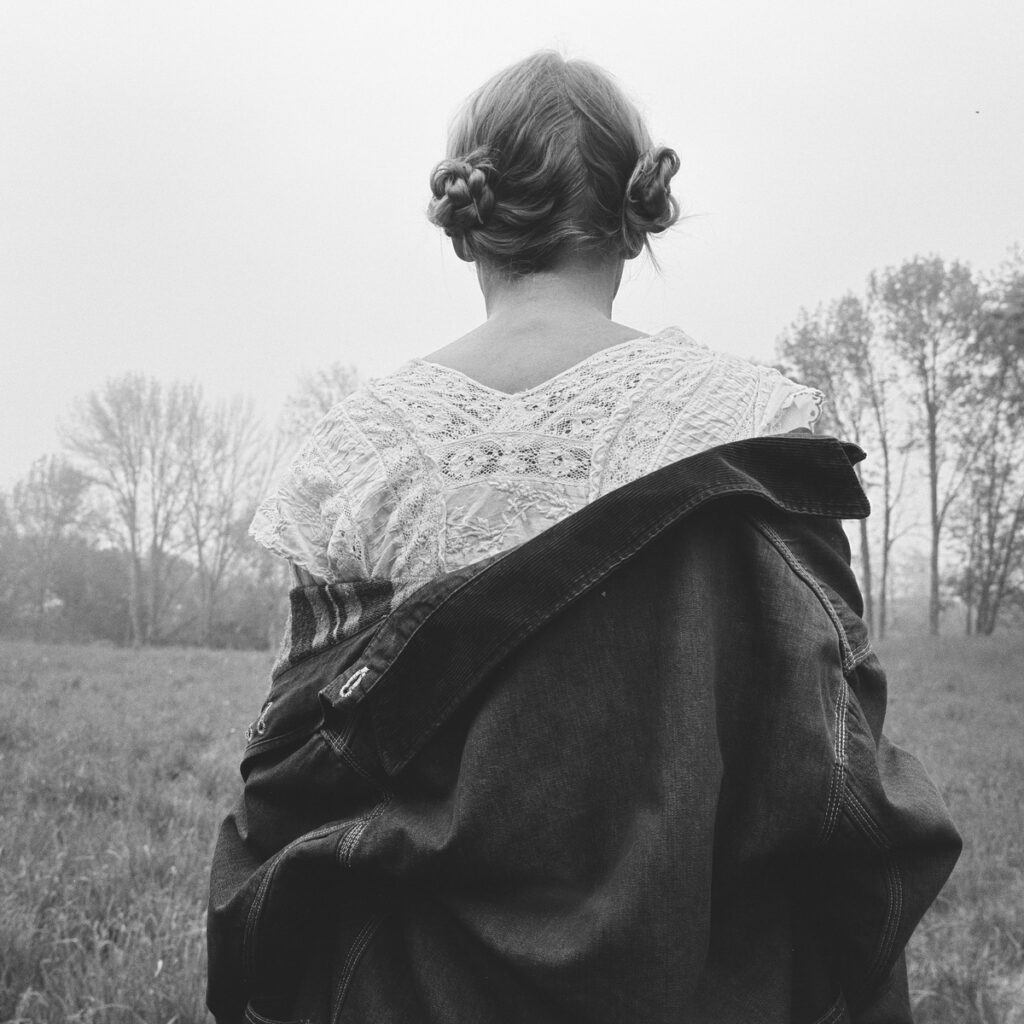
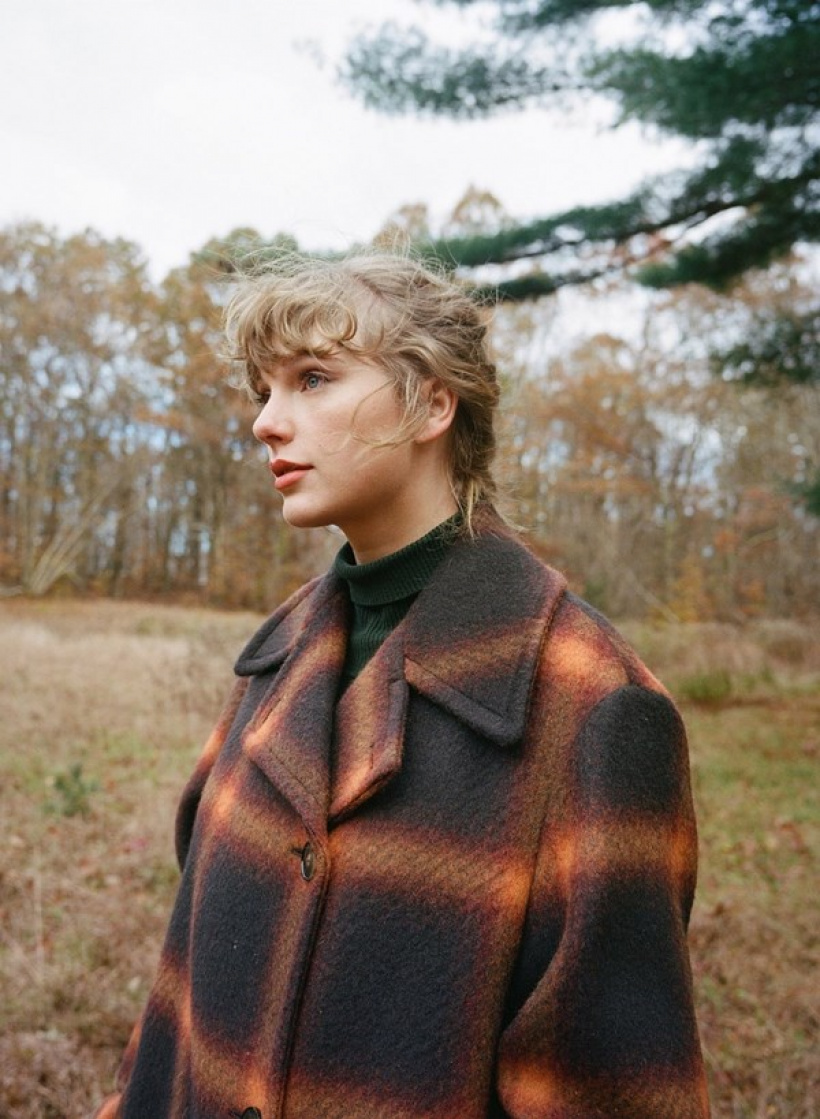
folklore Photoshoot




Kindness in the Quiet
In the early months of the pandemic, Taylor quietly began sending $3,000 payments to fans who had lost income due to Covid-19. Using platforms like PayPal and Venmo, these donations were often prompted by heartfelt posts from fans on Twitter and Tumblr. It was a simple, profound gesture that proved she wasn’t just watching from a distance—she was listening.
In a move to support both local businesses and the music community, Taylor also contributed to struggling indie record stores, including Nashville’s Grimey’s, where she sent thousands of signed copies of folklore. The albums sold out nationwide within hours, prompting her to send a second wave of signed CDs to stores. At Grimey’s, the gesture extended beyond just the albums; Taylor had also covered three months of salary and healthcare costs for the store’s employees during the early days of the pandemic.
Her support wasn’t limited to individual fans or indie businesses. Taylor made substantial donations to global and national relief efforts, including the World Health Organization and Feeding America, addressing both the international and domestic crises caused by the pandemic. She also contributed to MusiCares’ Covid-19 Relief Fund, which provided financial assistance to musicians and crew members whose livelihoods were disrupted by the lockdown. As the year progressed and social justice movements gained momentum, Taylor’s activism expanded. She openly supported Black Lives Matter, making significant donations to the NAACP Legal Defense and Educational Fund. Using her platform, she encouraged her fans to contribute as well, sharing resources and links to support the cause.
folklore: the long pond studio sessions
«Obviously everybody's lives have different complexities and whatnot, but I think most of us were feeling really shaken up and really out of place and confused and in need of something comforting all at the same time. And for me, that thing that was comforting was making music that felt sort of like I was trying to hug my fans through the speakers. That was truly my intent. Just trying to hug them when I can't hug them.»
Taylor Swift
folklore Songs

The Eras Tour

evermore Songs
Deeper Into the Folklorian Woods
«I have this weird thing that I do when I create something where in order to create the next thing I kind of, in my head, attack the previous thing. I don't love that I do that but it is the thing that has kept me pivoting to another world every time I make an album. But with this one, I just still love it. I'm so proud of it. And so that feels very foreign to me. That doesn't feel like a normal experience that I've had with releasing albums.»
Taylor Swift
That autumn, Taylor and Joe returned to the UK, where they had already been living together before the lockdown began. In the English countryside outside of London, she recorded another significant portion of her vocals for songs that would appear on evermore at Marcus Mumford’s secluded studio. Mumford himself contributed uncredited background vocals to “cowboy like me.” While those brief in-person moments added a sense of grounding to the process, evermore—like its predecessor—was largely shaped through remote collaboration. Bon Iver’s Justin Vernon returned as both a featured artist and co-writer, deepening his role in Taylor’s evolving alternative sound. Yet remarkably, the two had still never met in person. “I still haven’t been in the same room with Justin Vernon, who has now collaborated on two albums heavily,” Taylor said. “We’ve talked, but we’ve just never been in the same space together. It’s pretty wild.”
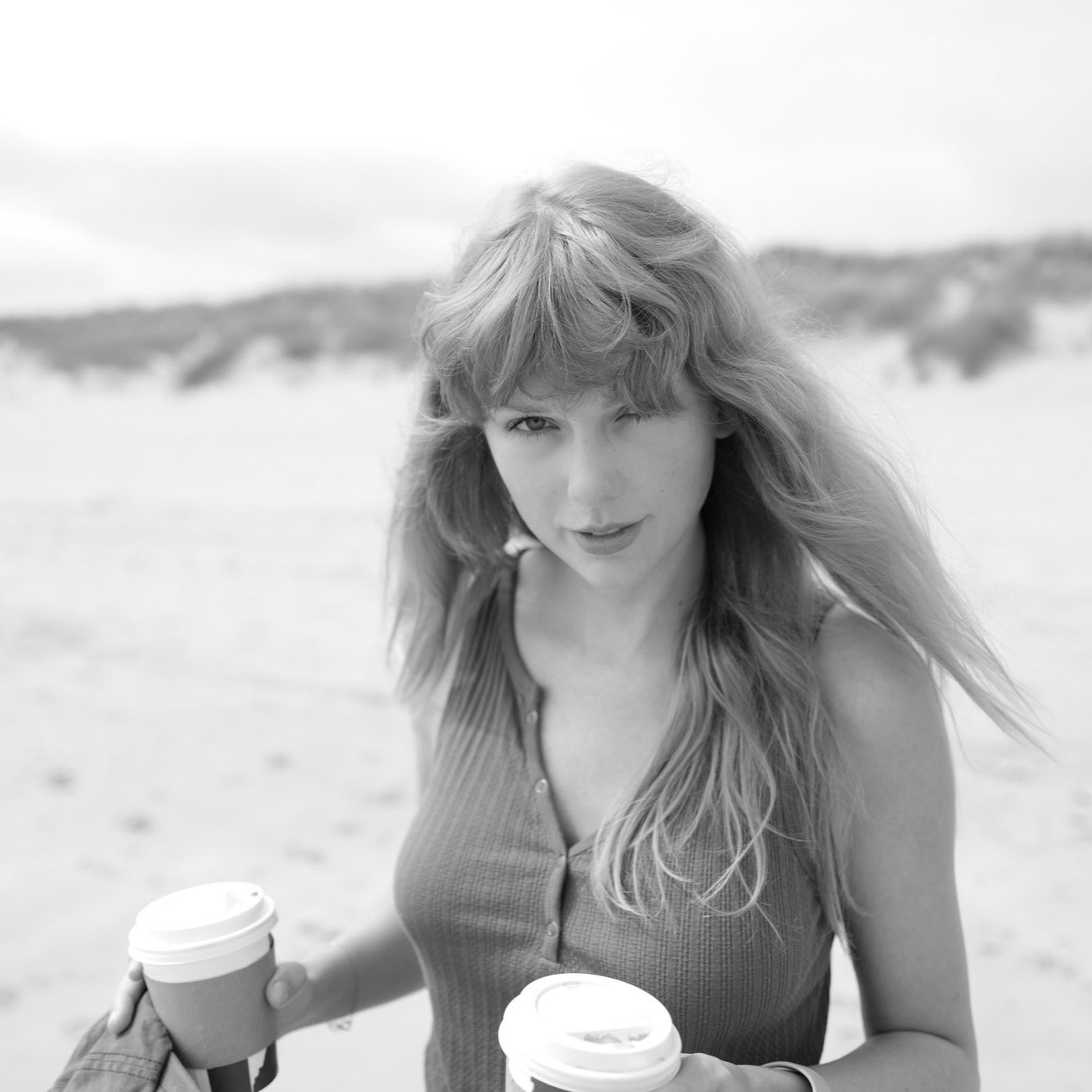
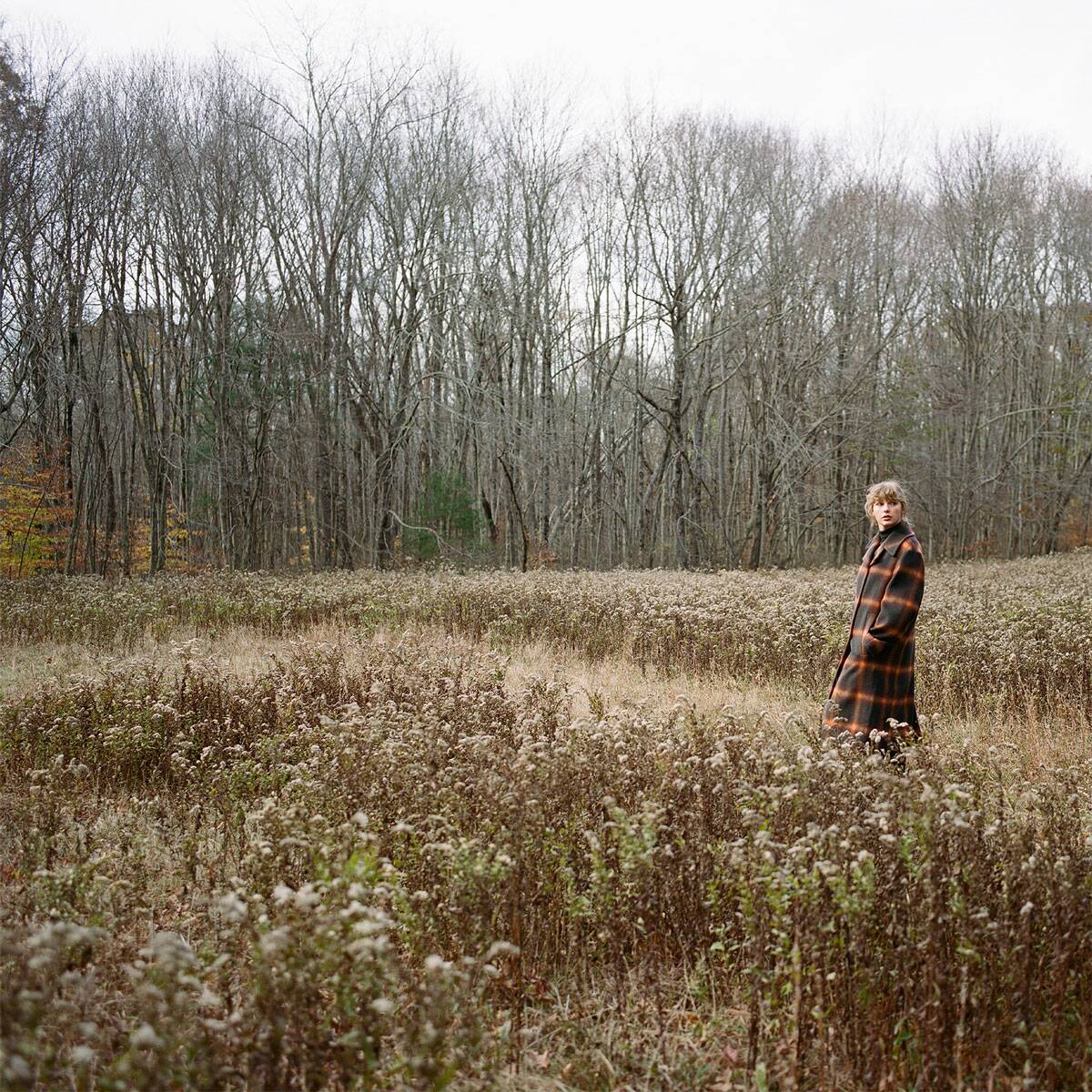
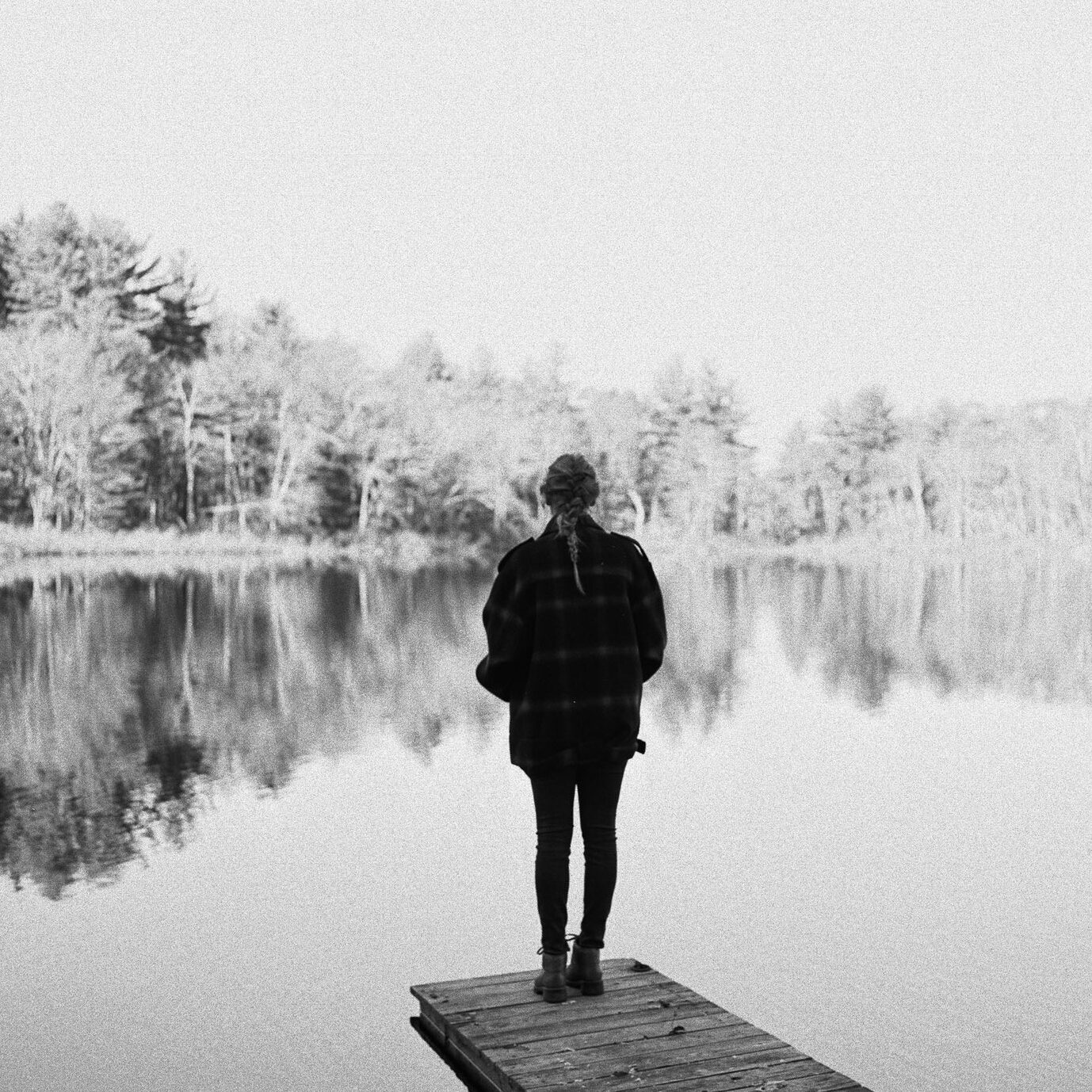
evermore Photoshoot




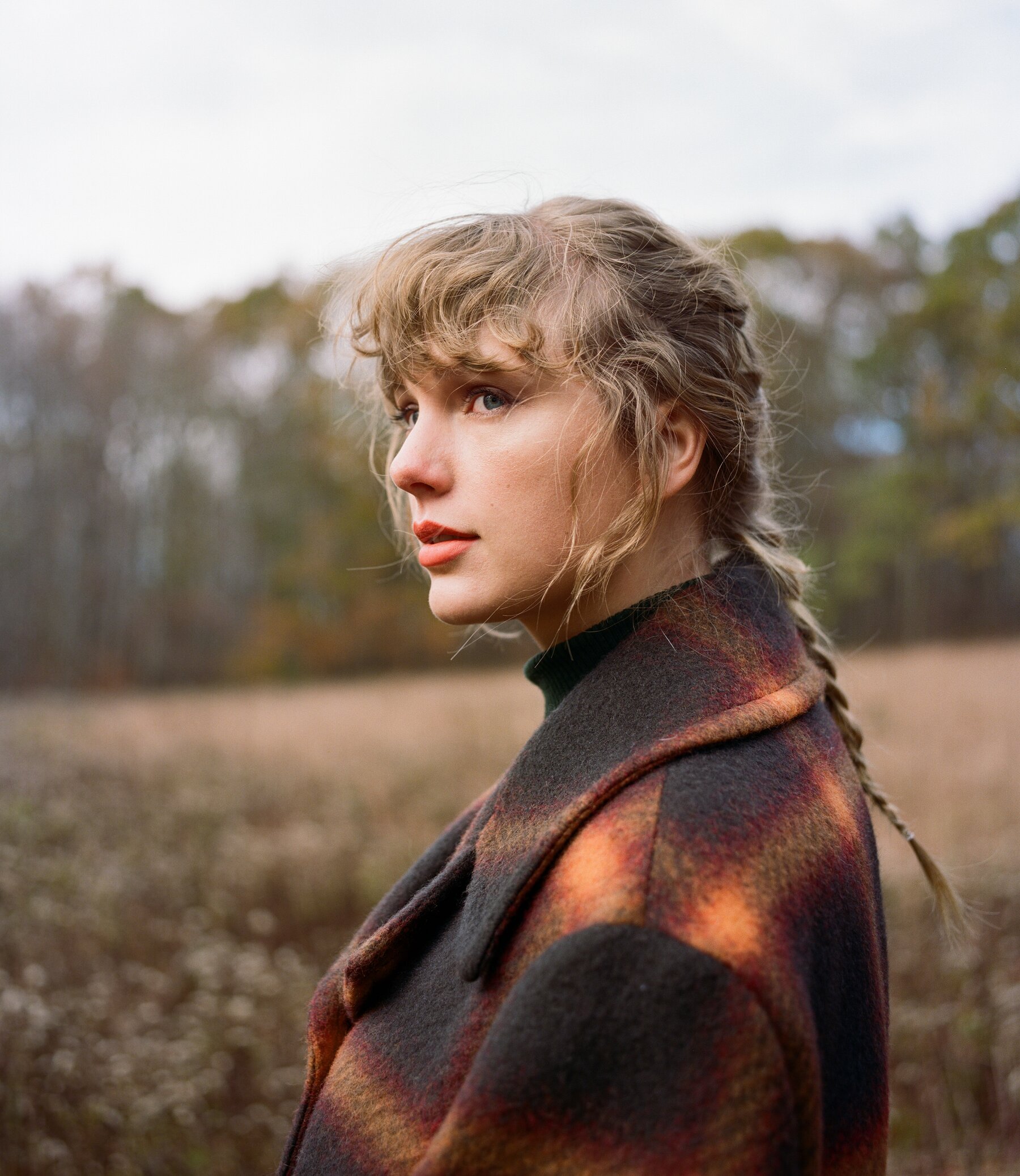
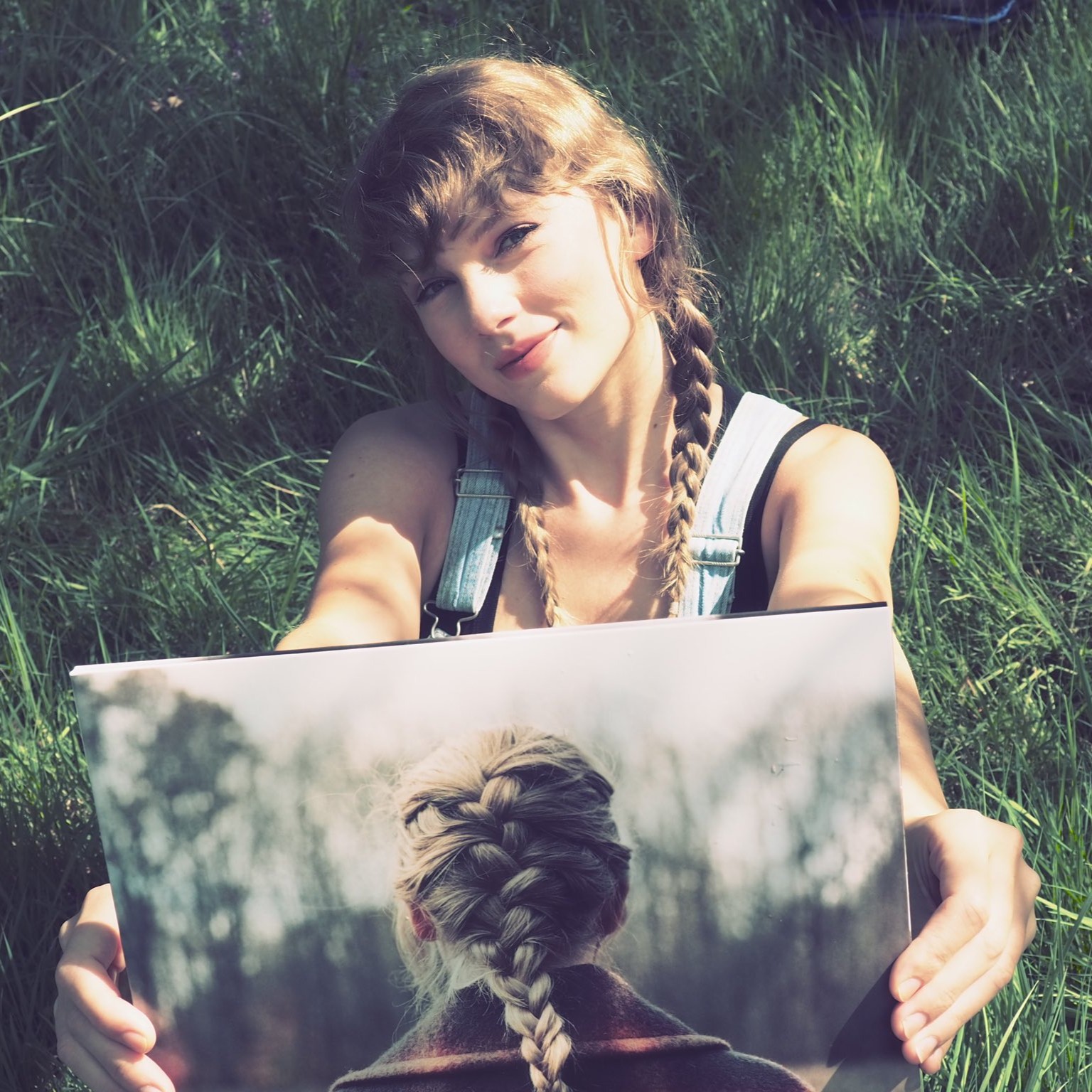
The Christmas Gift of evermore
«You've all been so caring, supportive and thoughtful on my birthdays and so this time I thought I would give you something! I also know this holiday season will be a lonely one for most of us and if there are any of you out there who turn to music to cope with missing loved ones the way I do, this is for you.»
Taylor Swift
Songwriter of the Year
The Quintessential Quarantine Album
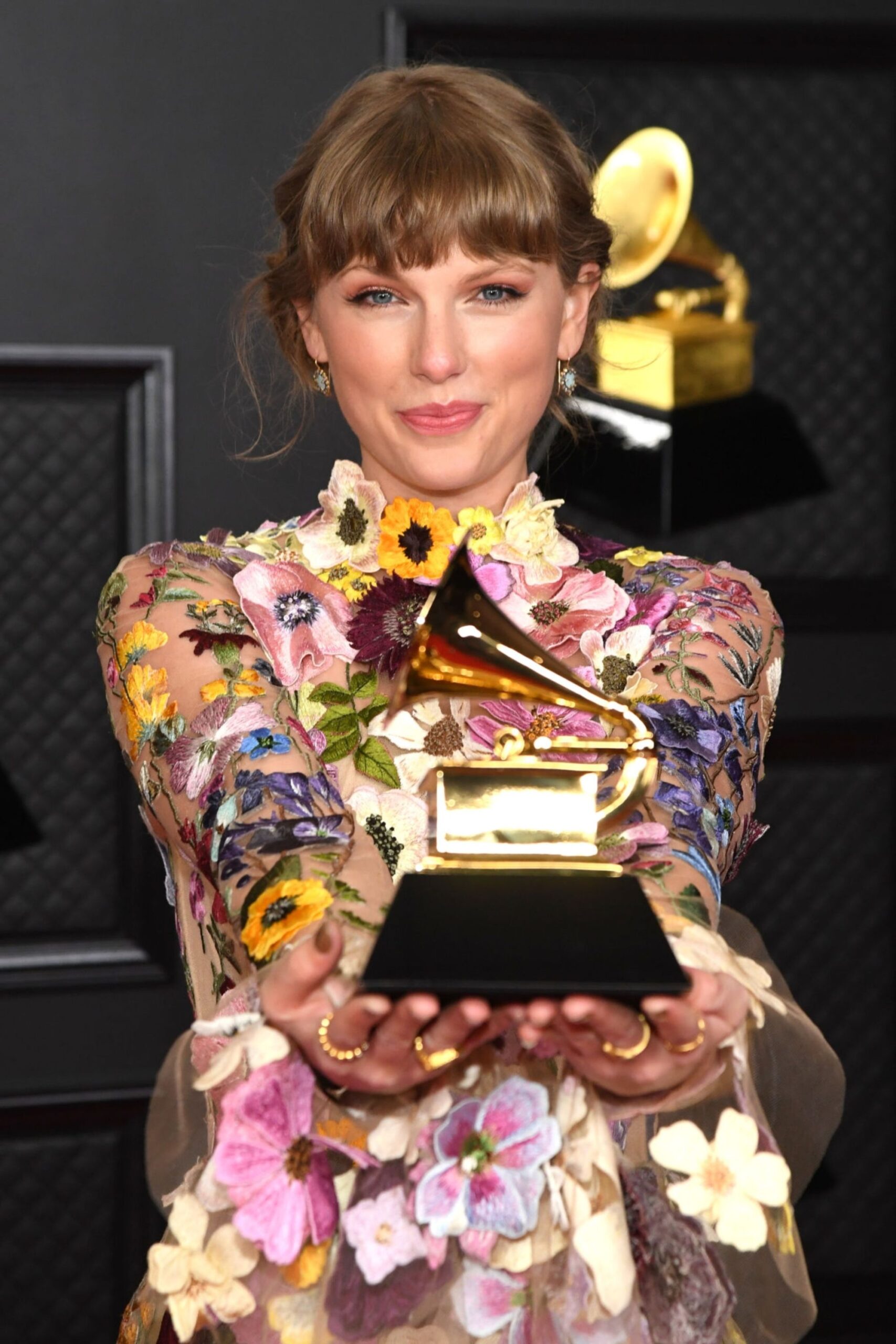
folklore especially became the definitive quarantine album. It spent eight weeks atop the Billboard 200, earning nearly 2.3 million album-equivalent units by the end of 2020. By March 2021, folklore was crowned “Album of the Year” at the 63rd Annual Grammy Awards—Taylor’s third win in the category, following Fearless in 2010 and 1989 in 2016. This achievement marked a historic moment, making her the first woman and the fourth artist in history to win the coveted prize three times, following Frank Sinatra, Stevie Wonder, and Paul Simon. For Taylor, the win was also a personal validation after years of reinvention. In her acceptance speech, she acknowledged her fans with gratitude, saying: “You guys met us in this imaginary world that we created, and we can’t tell you how honored we are forever by this.” Reflecting on a year that marked a pivotal shift in both her artistry and her place in music history, a transformation fueled by her prolific output, she remarked:
«I think that maybe me wanting to make as much music as possible during this time was a way for me to feel like I could reach out my hand and touch my fans, even if I couldn't physically reach out or take a picture with them.»
Taylor Swift