


reputation
November 10, 2017

Background and Announcement
This period reached its most volatile point during the public fallout with Kanye West and Kim Kardashian over the song “Famous” in July 2016, after which Taylor became the target of a viral hate campaign that culminated in the #TaylorSwiftIsOverParty hashtag and widespread “snake” imagery that reframed her public persona almost overnight. The symbol became a shorthand for this shift, and mockery of her was no longer confined to music journalism—it spilled into mainstream culture, advertising spaces, and everyday online interaction.
The scale of the backlash was such that it extended beyond online spaces and into real life. Viral content included a widely shared “Rest in peace Taylor Smith” memorial mural, reflecting how quickly the public had cast her as culturally “finished” in online spaces. In later reflection, Taylor described this period as emotionally devastating, recalling to Rolling Stone in 2019 how language itself—her primary tool of expression—felt turned against her, and how the intensity of collective hate created a sense of emotional isolation and paralysis:
«People love a hate frenzy. It’s like piranhas. People had so much fun hating me, and they didn’t really need very many reasons to do it. I felt like the situation was pretty hopeless. I wrote a lot of really aggressively bitter poems constantly. I wrote a lot of think pieces that I knew I’d never publish, about what it’s like to feel like you’re in a shame spiral. And I couldn’t figure out how to learn from it. Because I wasn’t sure exactly what I did that was so wrong. That was really hard for me, because I cannot stand it when people can’t take criticism. So I try to self-examine, and even though that’s really hard and hurts a lot sometimes, I really try to understand where people are coming from when they don’t like me. And I completely get why people wouldn’t like me. Because, you know, I’ve had my insecurities say those things—and things 1,000 times worse.»
Taylor Swift
| Artist | Taylor Swift |
|---|---|
| Released | November 10, 2017 |
| Recorded | September 2016 – July 2017 |
| Studios |
Conway (Los Angeles) MXM (Los Angeles/Stockholm) Rough Customer (Brooklyn) Seismic Activities (Portland) Tree Sound (Atlanta) |
| Genre |
Electro Pop Synth-Pop R&B Trap-Pop EDM |
| Length | 55:45 |
| Label | Big Machine Records |
| Producers |
Taylor Swift Jack Antonoff Max Martin Shellback Ali Payami Oscar Görres Oscar Holter |
Tracklist: reputation
Title Significance
«I was thinking a lot about the concept of having a reputation. Because I knew very early on that I wanted to name the album reputation, it was one of the first things [I decided]. So I was able to construct the album based on that concept. Every time before, I'd come up with the title of the album pretty late in the process. I used to be like, 'What do all these songs have in common? What word do I use a lot?' And so this one was different because I built it out from the concept of a reputation. There are a lot of, 'I'm angry at my reputation' moments. There are, 'I don't care about my reputation' moments. 'I'm fine, okay? I don't care!' And then there are these moments where it's very, 'Oh my God, what if my reputation actually makes the person that I like not wanna get to know me?' And so I was thinking about that reality; your reputation, how real is it?»
Taylor Swift

reputation Era

Songs on reputation
Music Hiatus

Writing and Recording
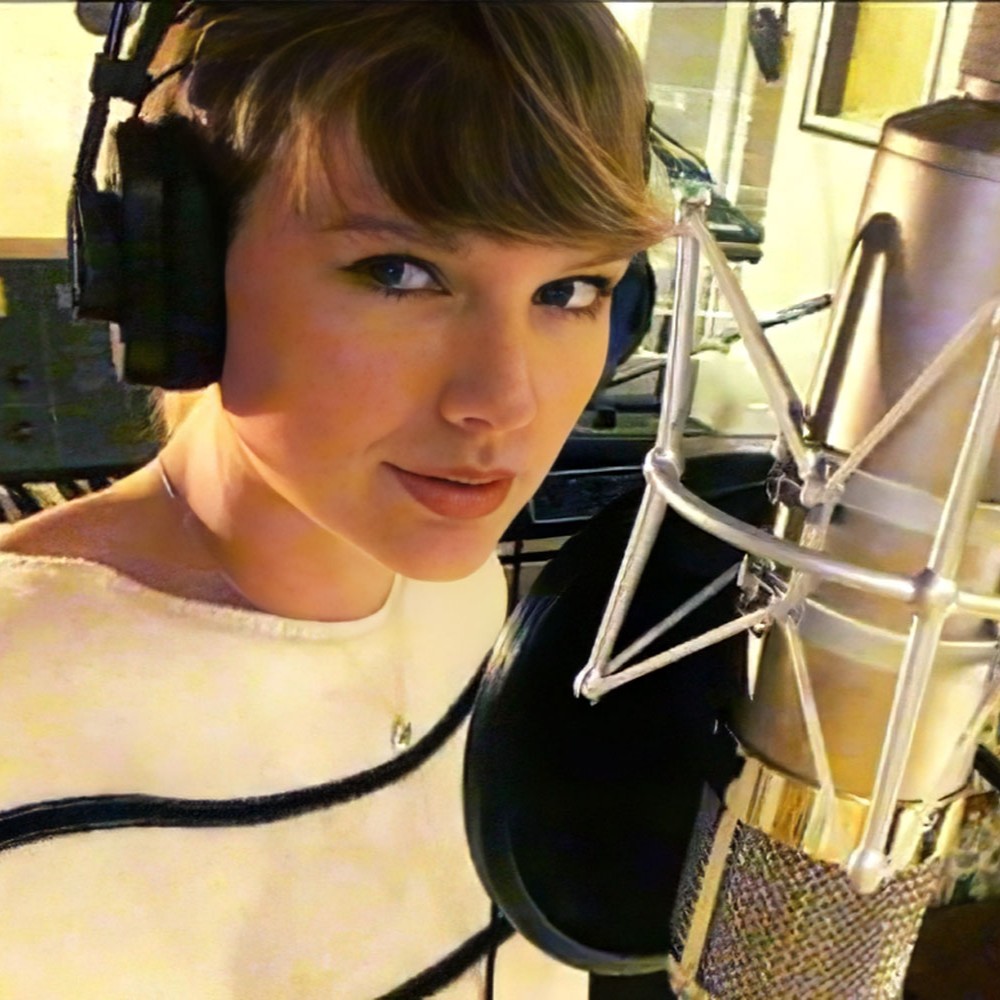
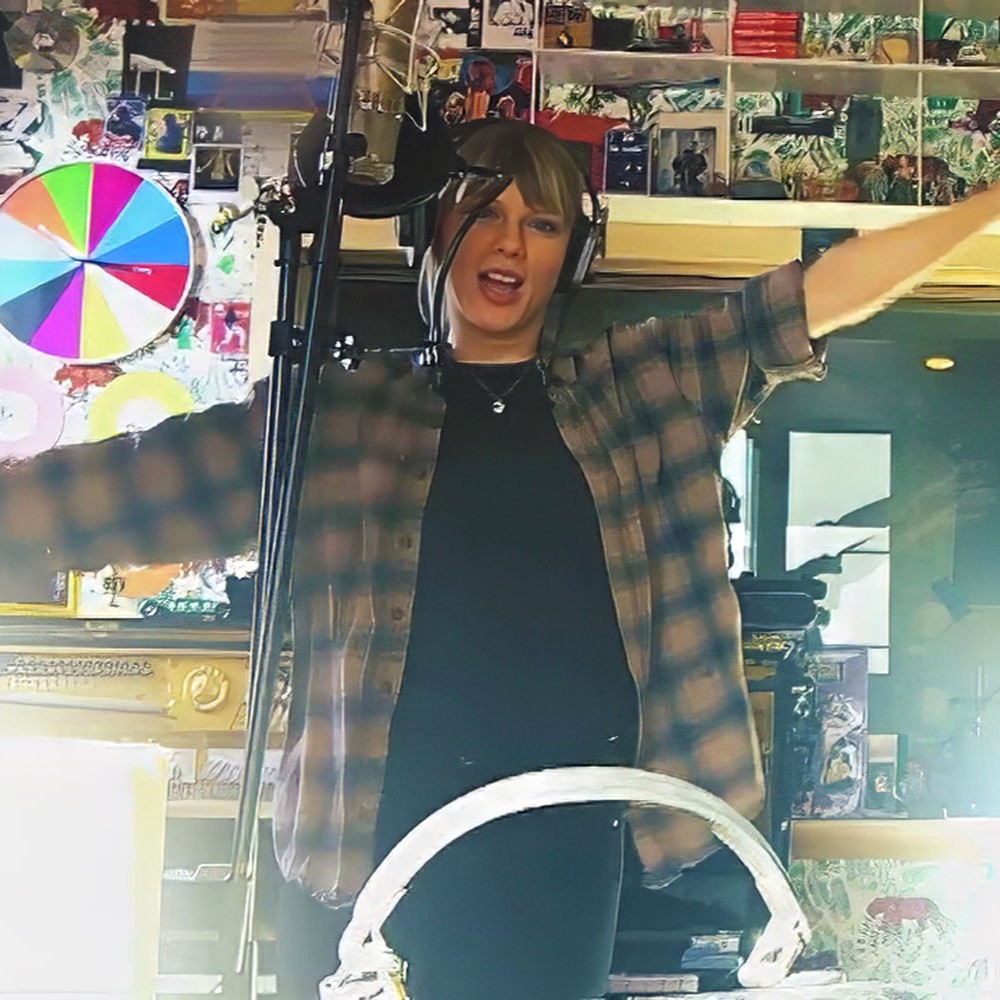
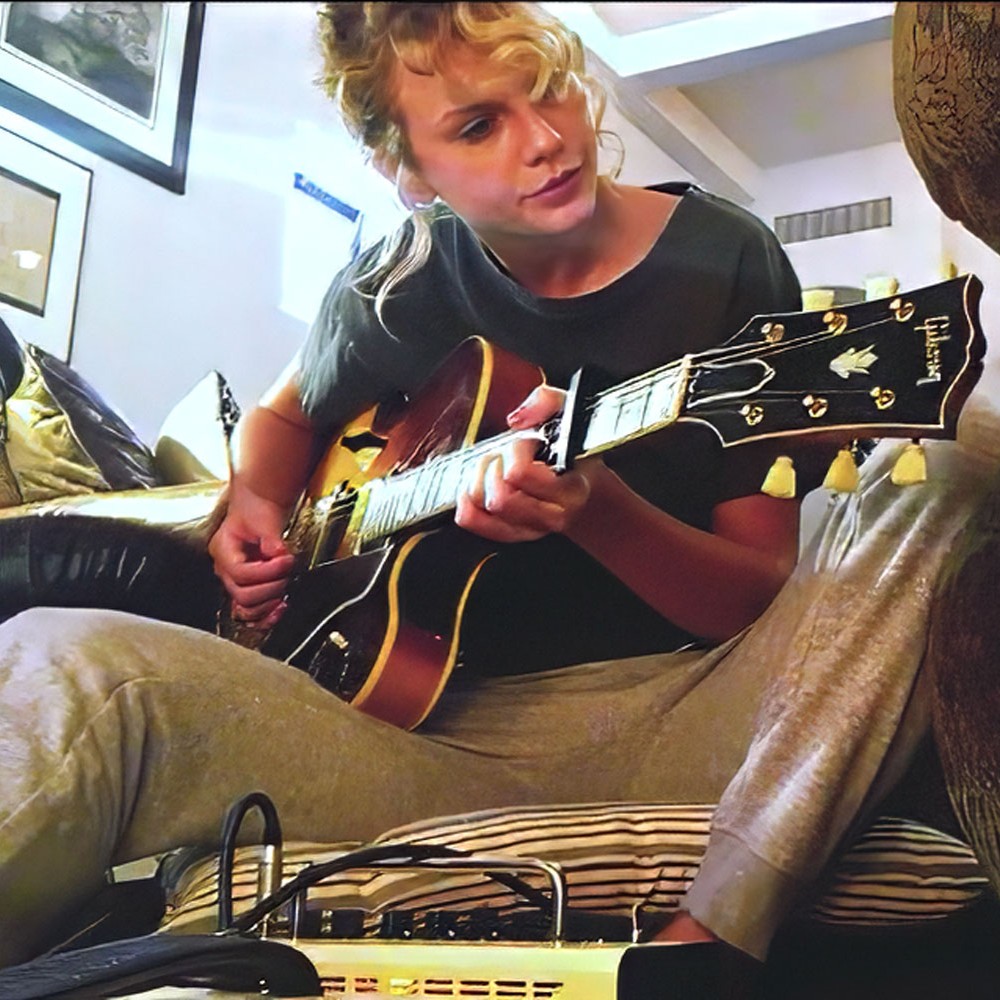
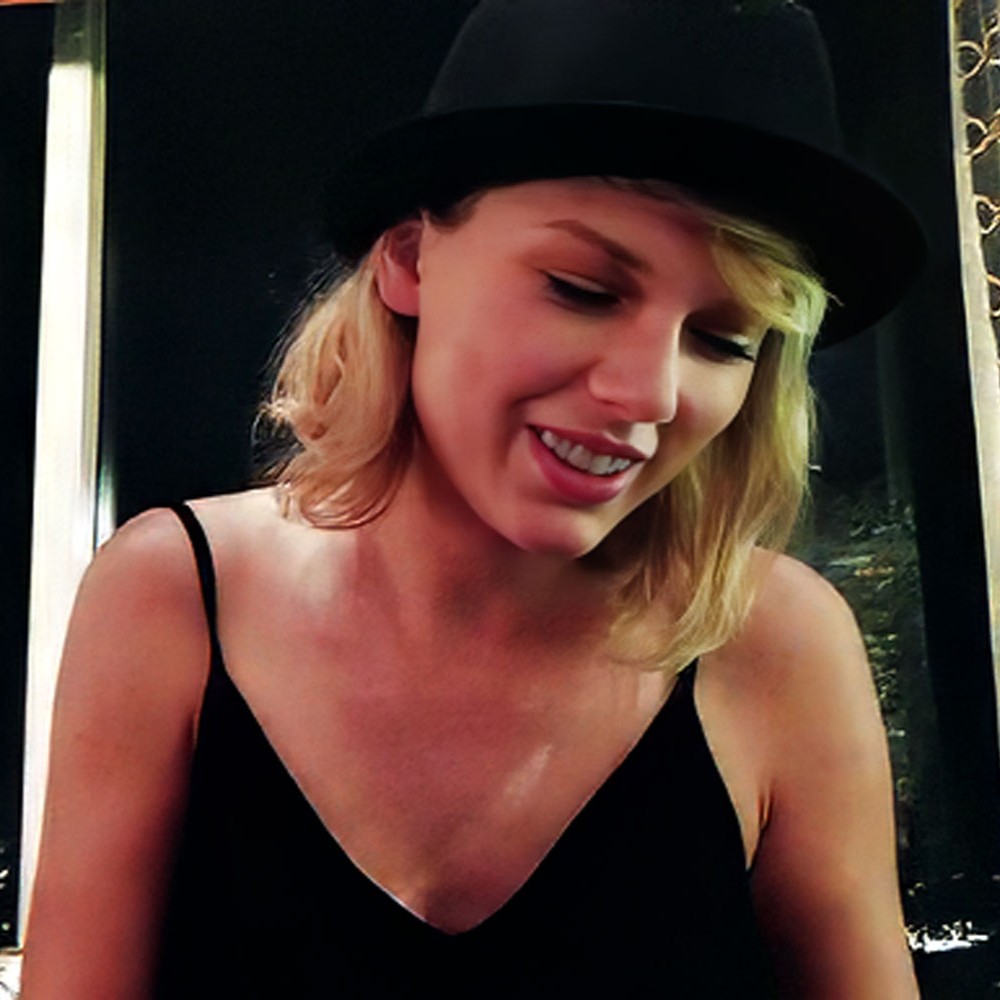
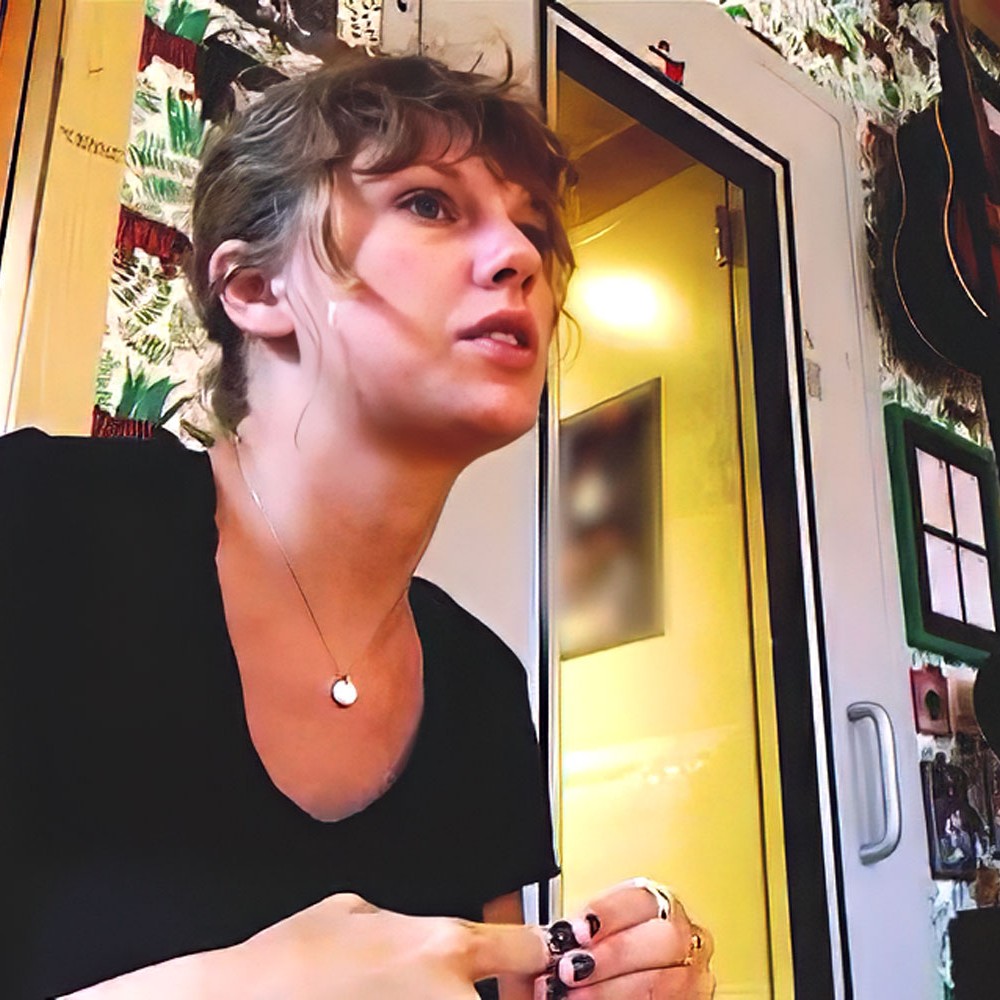
But rather than retreating fully, Taylor ultimately used songwriting as a form of self-repair, allowing the act of creation itself to function as a way of staying present within a period of intense external pressure. She began working on reputation in Nashville in early September 2016, with “Gorgeous” and “King of My Heart” both written in the same week. “I Did Something Bad” followed in mid-October, setting the sonic landscape for the record.
Taylor chose to work with two main production camps—Jack Antonoff on one side, and Max Martin with Shellback on the other—reuniting with her three main collaborators from 1989. By narrowing the production circle compared to its predecessor, she aimed for a more cohesive body of work, while still allowing enough stylistic range for the album to remain, in her words, “versatile enough.” During the iHeartRadio “reputation Secret Sessions,” she said:
«There would be no way for me to make something even similar to 1989 and have it be effective. It had to be completely different, because that album was its own thing. [...] I picked people who I'd worked with on 1989 but I felt like they would be versatile enough to kill 1989 and make something new.»
Taylor Swift
Recording sessions with Jack Antonoff took place primarily at his home studio in Brooklyn, with additional work in Atlanta and California as ideas were developed across locations. In order to preserve secrecy during production, his studio computer remained offline to prevent leaks, and recording files were deleted once mixing and mastering were completed. He has described the sessions as focused on capturing emotional extremes—“you can feel like you can conquer the world, or you can feel like the biggest piece of garbage that ever existed”—resulting in what he called a particularly intense record.
Making of

Lyrical Themes
«The one-two punch, bait-and-switch of reputation is that it was actually a love story. It was a love story in amongst chaos. All the weaponized metallic battle anthems were what was going on outside. That was the battle raging on that I could see from the windows, and then there was what was happening inside my world—my newly quiet, cozy world that was happening on my own terms for the first time...It’s weird, because in some of the worst times of my career, and reputation, dare I say, I had some of the most beautiful times in my quiet life that I chose to have. And I had some of the most incredible memories with the friends I now knew cared about me, even if everyone hated me. The bad stuff was really significant and damaging. But the good stuff will endure. You realize that you can’t just show your life to people.»
Taylor Swift
Influenced in part by Game of Thrones, Taylor divided the album into two conceptual halves: one driven by vengeance, conflict, and heightened drama, and another that gradually shifts toward love, loyalty, and moments of emotional clarity “amidst the battle cries.” At the same time, it marks a subtle tonal shift in her work: there is more explicit reference to sex and alcohol than in her earlier catalogue, often read as part of a broader evolution in how she chose to represent maturity and desire in her songwriting.
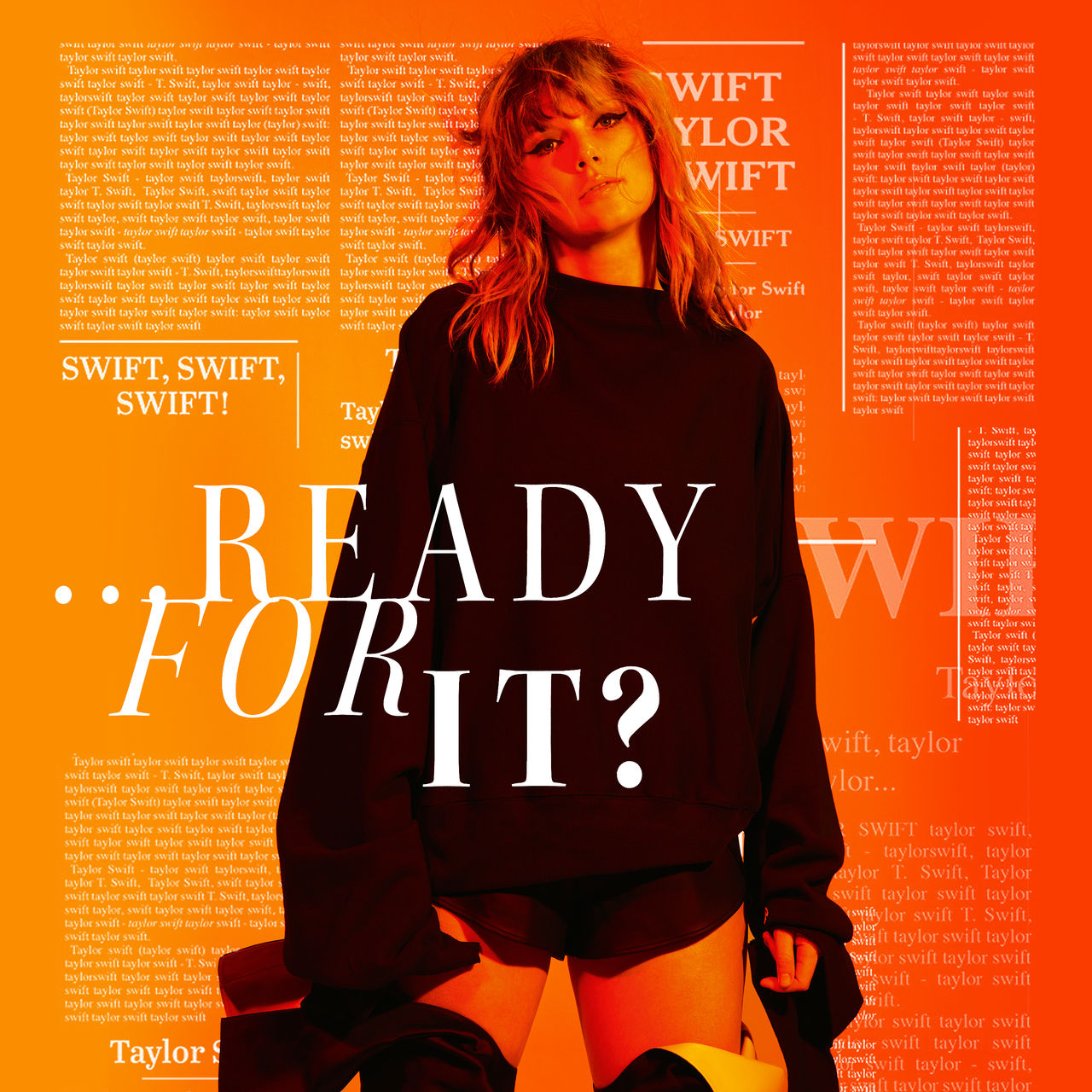
Across the tracklist, the duality plays out as a narrative arc. The opening songs lean into confrontation around Taylor’s public image, from the defensive framing of “…Ready For It?” to the adversarial tone of “Look What You Made Me Do.” As the album progresses, the focus gradually shifts inward: “Delicate” marks an early point of vulnerability, where Taylor begins to question whether her “reputation” can coexist with genuine intimacy. From there, songs like “King of My Heart,” “Dress,” and “Dancing With Our Hands Tied” trace the instability and intensity of romantic attachment, while later tracks increasingly centre on acceptance, emotional recalibration, and chosen closeness. By the closing stretch, particularly in “Call It What You Want” and “New Year’s Day,” the narrative settles into a quieter register—less concerned with external judgment, and more focused on what remains when the noise fades.
Taylor referred to reputation as her most cathartic project many times, at one point saying, “After I finished it, I was like, ‘Now I can go back to writing regular songs again.'”
Composition
«For reputation, it was nighttime cityscape. I didn’t really want any—or very minimal—traditional acoustic instruments. I imagined old warehouse buildings that had been deserted, and factory spaces, and all this industrial kind of imagery.»
Taylor Swift
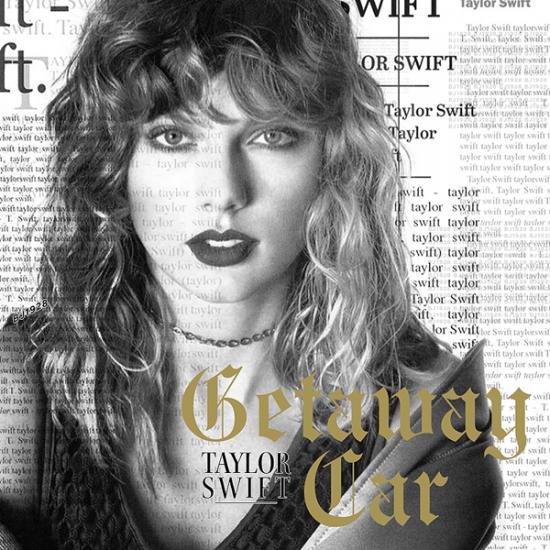
As the album progresses, Jack Antonoff’s influence becomes more prominent, shifting the palette toward softer, more atmospheric synth-pop. The second half introduces a gradual emotional softening, moving from indignant and defensive to more reflective and intimate in tone. Songs like “Dress”, “Getaway Car”, and “Call It What You Want” trade impact for mood, built on shimmering synth textures, restrained trap-R&B rhythms, and more subdued vocal delivery, while the closing track “New Year’s Day” strips everything back to a sparse piano ballad.

Look What You Made Me Do
...Ready For It?

End Game
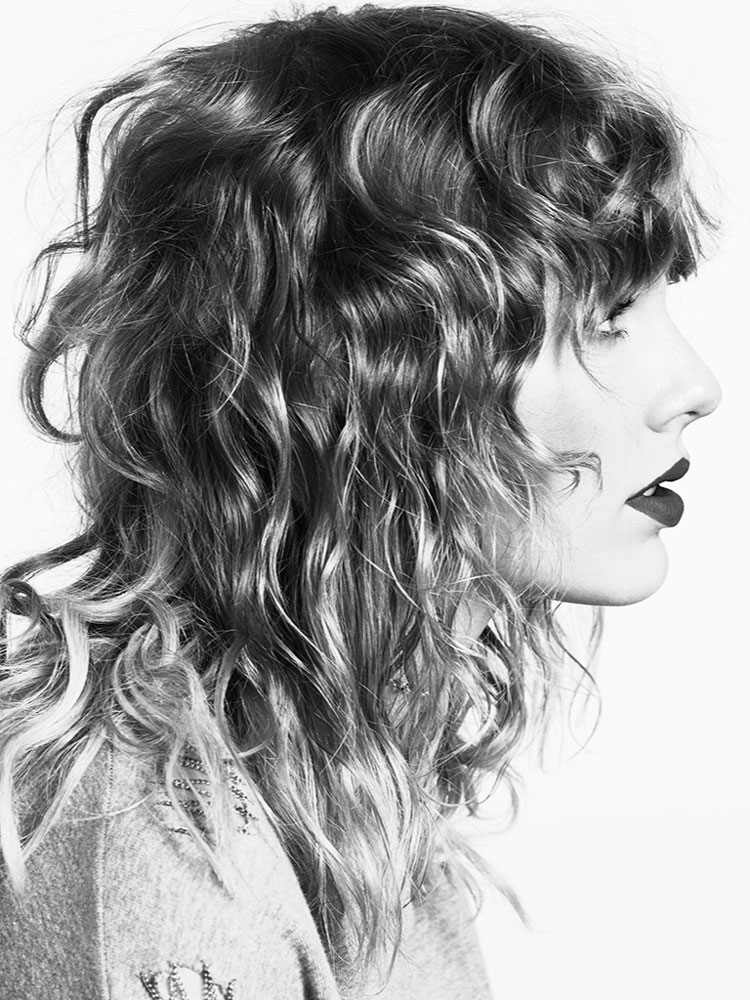
Art Direction
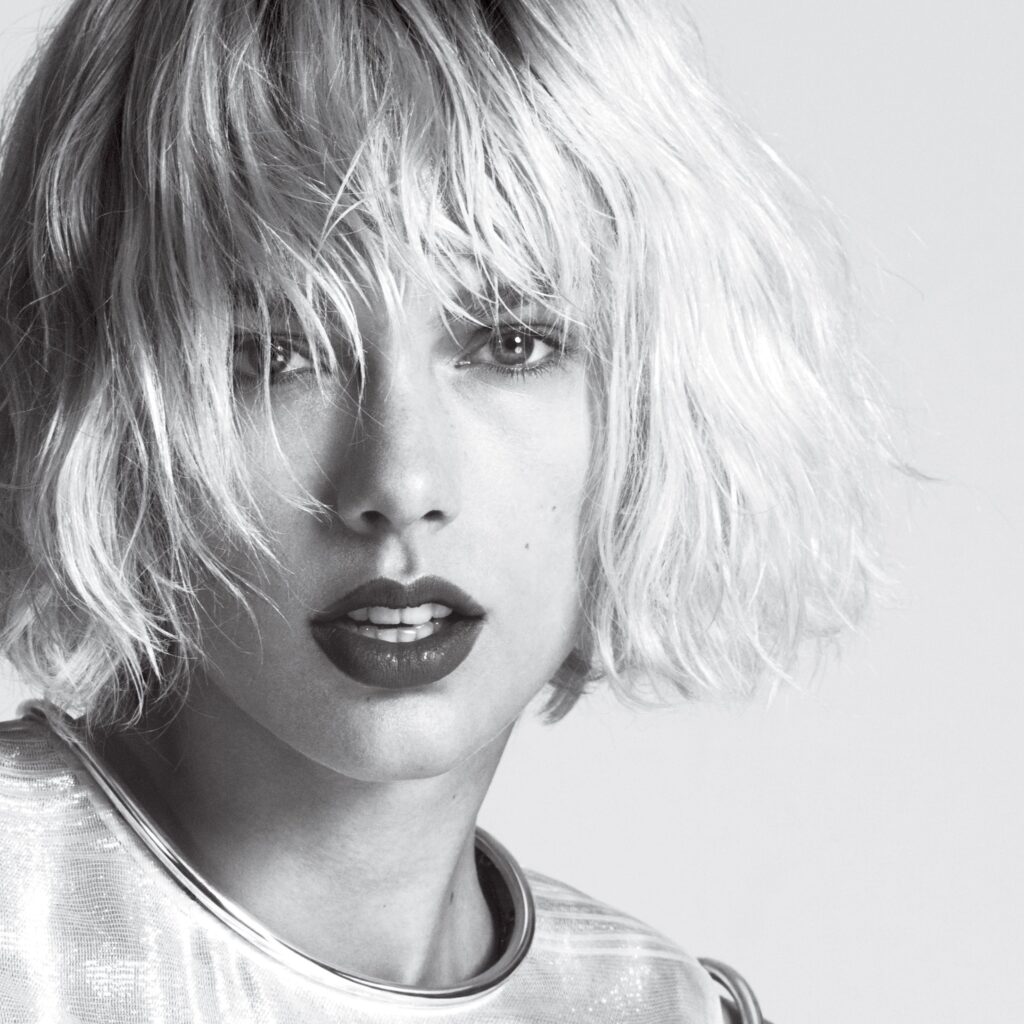
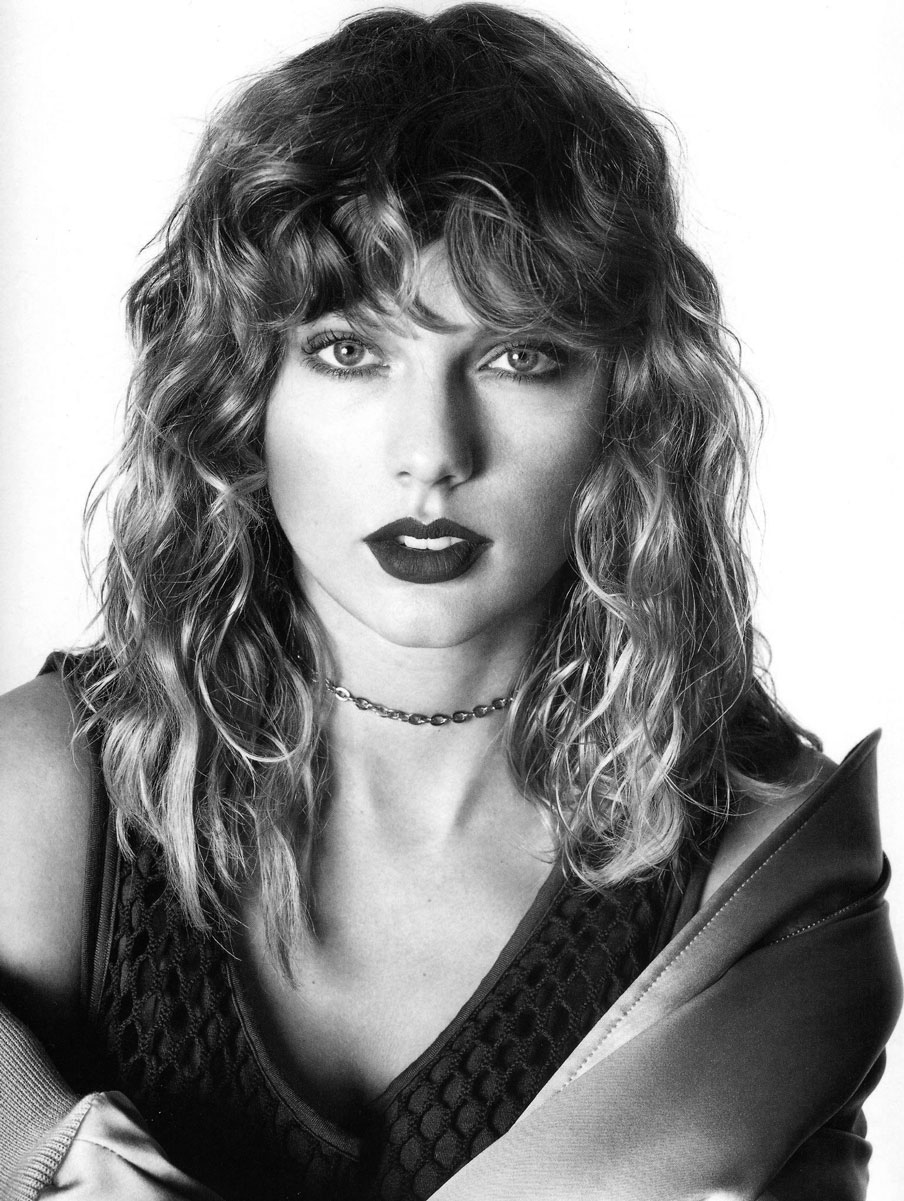
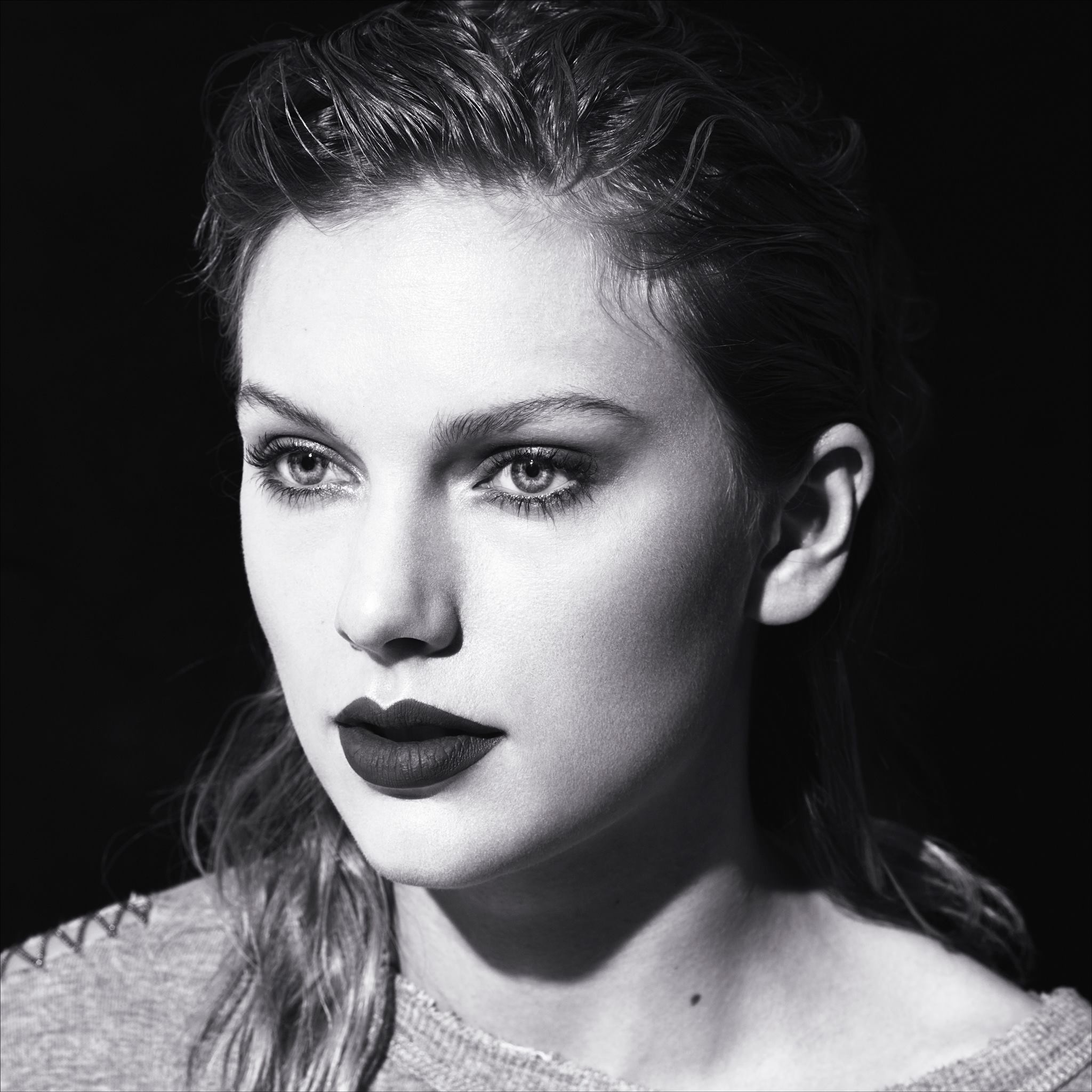
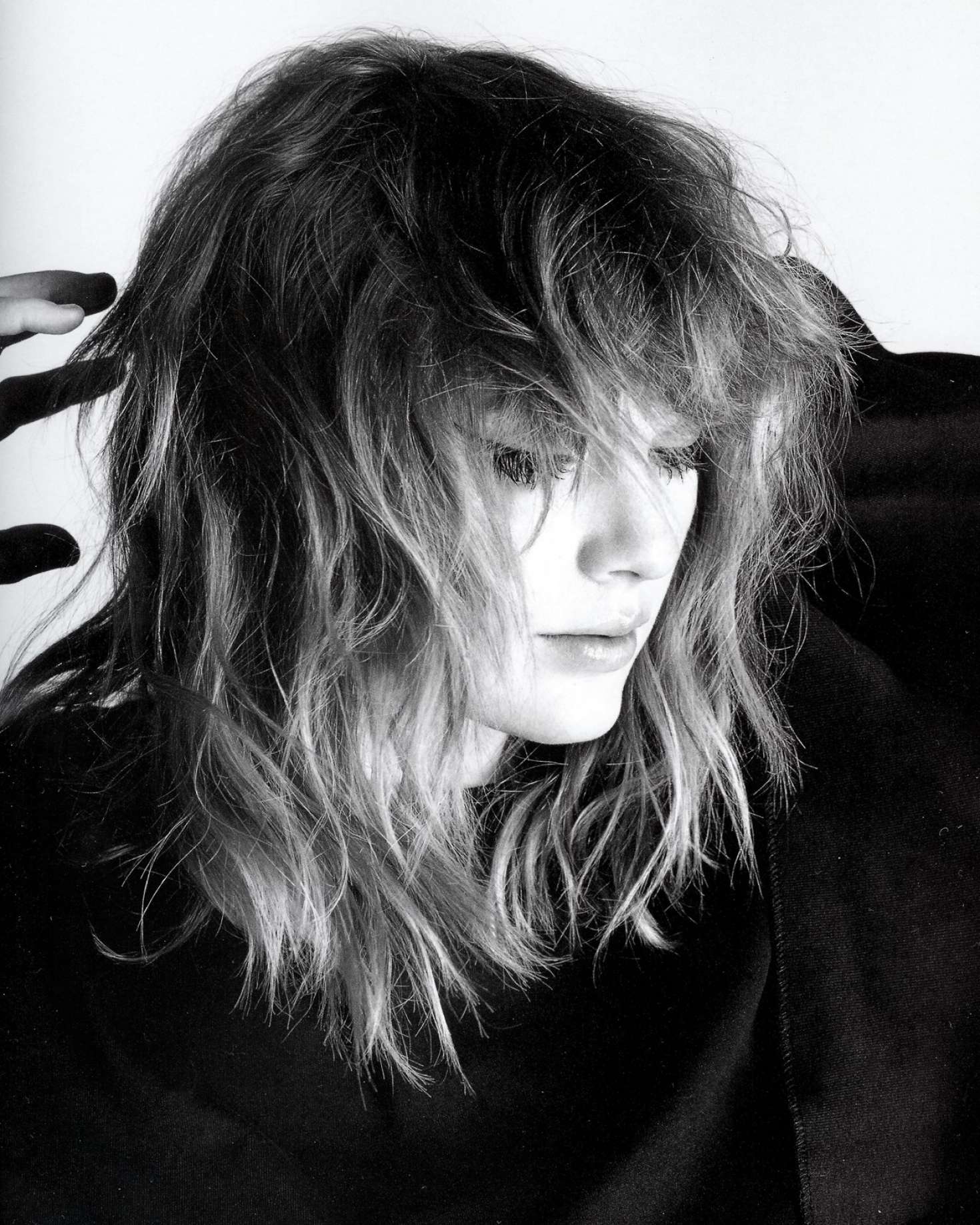
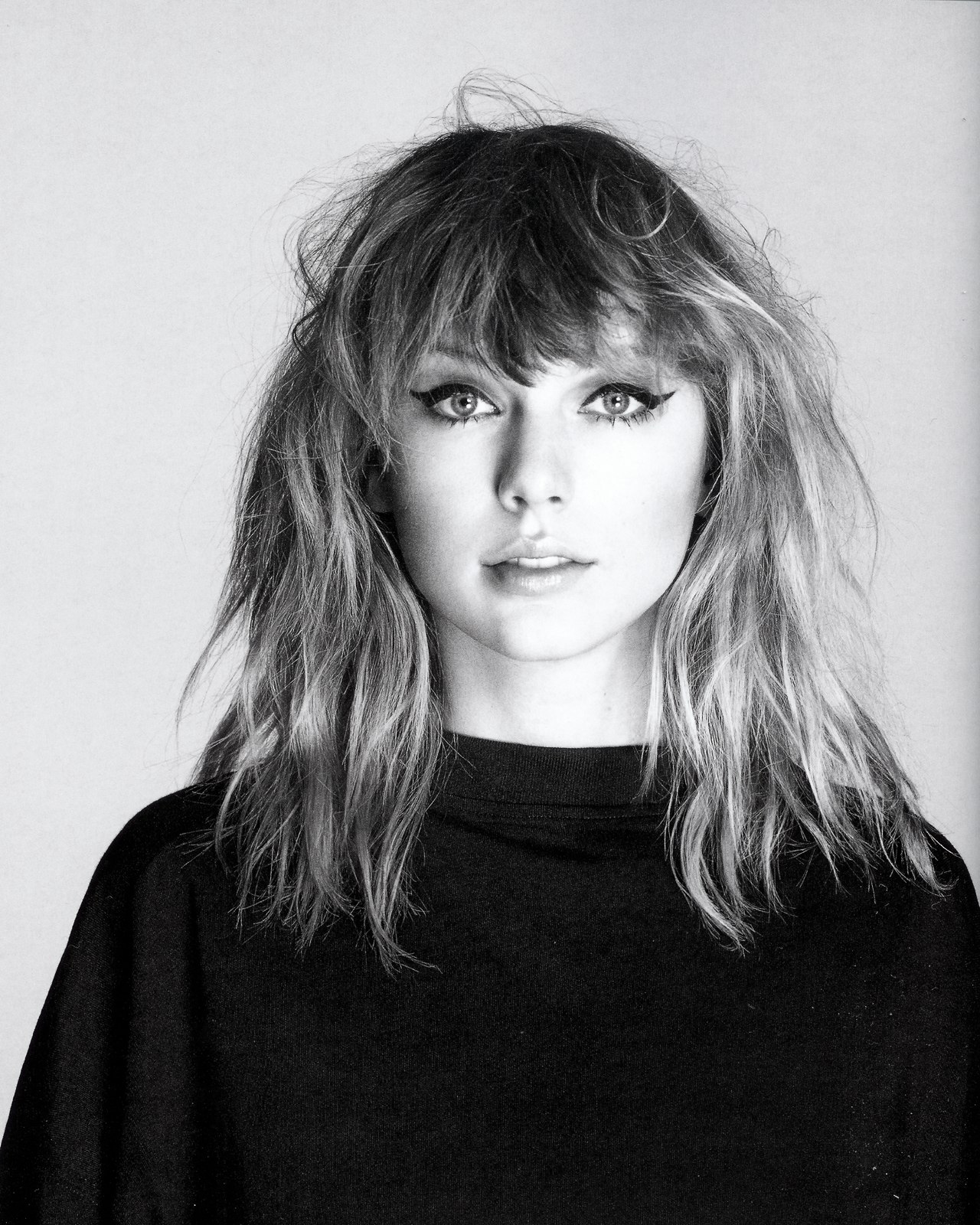
«Mert and Marcus took my album photos for reputation, and it’s been such a bonding experience working together so closely and talking so much about what we wanted to make.»
Taylor Swift
The visual concept for reputation extended beyond the album photoshoot, most notably through the reputation magazines released by Target in the United States. Issued in two 72-page volumes, they functioned as hybrid artifacts—part album packaging, part personal archive—featuring photography, handwritten lyrics, poetry, and paintings by Taylor. Volume 1 was also shot by Mert and Marcus, while Volume 2 was photographed by Benny Horne. Here, the generous use of colorful watercolor artwork and glitter-covered Polaroids introduces a softer visual counterpoint, reflecting Taylor’s more calm, private world beneath the album’s harsher exterior.
reputation Photoshoot



Release and Promotion
The centrepiece arrived the next day with the lead single “Look What You Made Me Do” that immediately redefined the era’s tone. It debuted at No. 1 on the Billboard Hot 100 and broke streaming records on release, but its impact was driven just as much by its visual language as its chart performance. The video, packed with deliberate callbacks, alter egos, and a famously dismantled “old Taylor” persona, became a cultural event in its own right—widely dissected, memed, and debated frame by frame. It set the tone for reputation as an album that was as much about image reconstruction as it was about music.
From there, the rollout expanded into a highly coordinated network of pop marketing and brand integration. Corporate partnerships with UPS, Ticketmaster, AT&T, Target, and ESPN extended the album into physical and broadcast spaces, from branded trucks to exclusive magazine editions and televised previews. It was maximum commercialization, but it was also unusually cohesive, with every element feeding back into the same constructed mythology.
At the same time, Taylor deliberately stepped away from conventional press cycles. There were no standard interview runs or explanatory media tours. Instead, she hosted private “Secret Sessions” for fans in her homes across multiple cities, appeared on curated magazine covers such as British Vogue and Harper’s Bazaar with full creative control, and chose selective televised performances over traditional promotion. In later interviews, she explained that she felt no need to “explain” the album, preferring the music itself to carry its meaning. She told Zane Lowe in 2019:
«At the very beginning of the album I was pretty proud of coining the term: 'There will be no explanation. There will just be reputation.' And so that was what I decided was going to be the album, and I stuck with it. I didn't go back on it. I didn't try to explain the album because I didn't feel that I owed that to anyone. There was a lot that happened over a couple of years that made me feel really, really terrible. And I didn't feel like expressing that to them. I didn't feel like talking about it. I just felt like making music, then going out on the road and doing a stadium tour and doing everything I could for my fans.»
Taylor Swift
The era ultimately culminated in the “reputation Stadium Tour,” a large-scale visual extension of the album that grossed over $345 million and translated its snake imagery and darker aesthetic into stadium spectacle across four continents, later immortalised in a Netflix concert film.
By the end of the cycle, reputation had become more than a standard album campaign—it was a tightly controlled pop narrative, built equally on disappearance, reinvention, and the strategic power of being seen only when it mattered.
Album Artwork




Critical Reception
Even in generally positive reviews, however, critics often filtered the album through Taylor’s perceived “reputation” rather than treating it in isolation. Instead of engaging solely with production or songwriting, interpretation was frequently shaped by what the record meant in relation to her public image, with themes of backlash, fame, and media scrutiny becoming a dominant lens—sometimes even outweighing purely musical analysis. As a result, the reception was not only divided between praise and criticism of the music itself, but also structured around a broader question: whether the album confirmed, challenged, or complicated the narrative surrounding Taylor at that moment. In an emotional conversation at the time, included in Miss Americana (2020), an overwhelmed Taylor said:
«We're people who got into this line of work because we wanted people to like us, because we were intrinsically insecure, because we liked the sound of people clapping, because it made us forget how much we feel like we're not good enough. And I've been doing this for 15 years and I'm tired. I'm just tired of the...it feels like it's more than music now. And most days I'm okay, but...it just gets loud sometimes.»
Taylor Swift
This shift in tone has continued to deepen over time. Mary Siroky of Consequence argued that hindsight revealed reputation to be a more authentic record than many early reviews suggested, even revisiting her own publication’s original score in the article “What Were We Thinking? 15 Times We Were Wrong” as overly influenced by surrounding media narratives. Later retrospectives have gone further: one NPR feature in 2022 described it as an album “once-scorned, now revered,” while in 2025, Jon Caramanica of The New York Times characterized it as Taylor’s “riskiest, most shocking, and most inventive” project to date. Taken together, this critical arc positions reputation as a work whose reputation (in the literal sense) has steadily transformed—from controversial outlier to a widely respected and influential entry in her discography.
Look What You Made
Me Do
Commercial Performance
«I couldn’t have asked for a better year, all thanks to you.»
Taylor Swift
Globally, the scale of its success was equally striking. Within a week, reputation had sold two million copies worldwide, and by the end of 2017 it ranked as the second best-selling album globally. It topped charts across North America, Europe, and Oceania, achieving multi-platinum certifications in markets including Canada, Australia, New Zealand, and the United Kingdom, alongside No. 1 placements across much of continental Europe and strong performance across Asia-Pacific. Taken together, its trajectory reflects not only an explosive commercial debut, but a sustained global reach that continued to evolve long after its initial release window.
Accolades
In North America, the album’s award run was especially visible in commercially driven categories. reputation won “Favorite Pop/Rock Album” at the 2018 American Music Awards and Taylor got honored as the “Artist of the Year,” marking the most prominent accolades of the cycle and reinforcing the record’s strong connection with the general public. Thanking the fans, Taylor said:
«I understand how lucky I am to have anyone that cares about me or my music. Every time that you have made me lucky enough to ever get to stand on a stage and have something sparkly in my hands and say thank you—every single time this happens, it means something differently to me. It represents something different. And this time I just want you to know it represents encouragement and motivation for me to be better, work harder, and try to make you guys proud as much as I can.»
Taylor Swift
Alongside industry awards, reputation featured prominently on year-end and retrospective critics’ lists. Notable publications include Time (5th) and Rolling Stone (7th). Later reassessments further solidified its standing: by 2019, Slant Magazine included it at No. 88 in its “Best Albums of the 2010s,” signalling its gradual transition from polarising release to enduring entry in late-2010s pop canon.

Delicate

Call It What You Want
Getaway Car

Impact and Legacy
Over time, the album has undergone significant critical reevaluation, with many early perceptions softened or reversed entirely. Once overshadowed by controversy and media framing, reputation is now widely recognized for its conceptual cohesion and bold sonic identity, and its standing with both critics and the public has steadily grown. Its resurgence has been further amplified by “The Eras Tour” (2023-2024), where audience reception has reframed the era as a fan favorite rather than a divisive chapter. Commenting on this change in perception, Taylor told The New York Times in 2026:
«I loved the reputation album. I was like, 'You guys say what you want. I know what I did, I love it. Go with God. Sorry. You can come around if you want. It's okay if you don't.' And then six or seven years later, people are like, 'Oh my God, '...Ready For It?' People slept on that song.»
Taylor Swift